BIFO is starting its new season.
BIFO is starting its new season.
Radar Türkiye4 Kas 20264

What's happening in the world of culture and art this week?
BIFO is starting its new season.

Beirut is coming to Turkey for a mini tour consisting of three concerts.

Ara Güler's "Little Hungary" exhibition is being held at the Hungarian Cultural Center.

"Happiness Guaranteed!" Exhibition at Taksim Art.

WICKED, the show that captivates the world, will be performing this season in Istanbul and Ankara.

"A Note Beyond Time: The Cemal Reşit Rey Exhibition" at CRR.

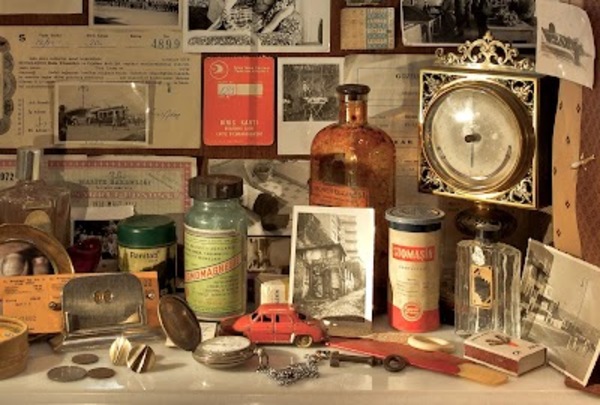
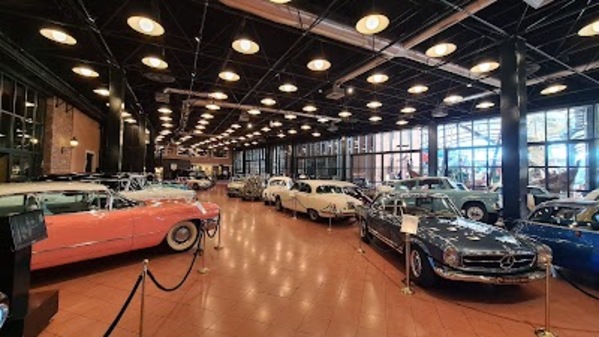
A 100-Year Journey of Industry at the Rahmi M. Koç Museum.

Sinem Demirci's "Inside Your Head" Exhibition at Pg Art Gallery.

"Dog Circus," Premiering for the First Time in Turkey.
Upcoming talks, workshops and shows at Müze Gazhane in Kadıköy
 Kültür İstanbulTicketed
 Kültür İstanbulTicketed
 Kültür İstanbulFree
 Kültür İstanbulFree
 PassoTicketed
 BiletixTicketed
 PassoTicketed
 PassoTicketed
 BiletixTicketed
 BiletixTicketed
 BiletixTicketed
 BiletixTicketed
Basilica Cistern, Yerebatan, Panorama 1453, and other attractions in Istanbul.

Information page for visitors to the digital art exhibition center (location, hours, tickets).

Page for a visitor's guide to the Byzantine-era cistern.

A visitor's guide to the panoramic museum dedicated to the conquest of Istanbul.

Here is the information you need regarding visiting hours, tickets, and transportation for the Basilica Cistern.

Here's a profile piece introducing the Istanbul Bookstore chain, highlighting its 20 branches and its events program.

The Harbiye Cemil Topuzlu Open-Air Theatre season is coming to a close with concerts in November, and young people aged 18-24 can attend these concerts for free thanks to the "Koltuk Senin" program.

Curated by Marcus Graf, the exhibition features 38 works by 24 contemporary artists, exploring the concepts of happiness and utopia. It can be viewed at Taksim Art until January 10, 2027.

The "Sounds from the Depths" series continues at the Şerefiye Cistern with three Baroque music concerts from November 6th to 8th; violin and cello recitals will resonate within the cistern's unique acoustics, offering a captivating experience for…
From the western shore to the east of the Asian side
Games coming up in the next month.
 tiyatrolar.com.trTicketed
 BiletixTicketed
 BiletixTicketed
 PassoTicketed
 BiletixTicketed
 BiletixTicketed
 BiletixTicketed
 BiletixTicketed
 tiyatrolar.com.trTicketed
 iticketTicketed
 BiletixTicketed
 BiletixTicketed
Friday-Sunday program.
 MobiletTicketed
 BiletinoTicketed
 PassoTicketed
 Bilet.comTicketed
 Bilet.comTicketed
 BiletixTicketed
 Bilet.comTicketed
 Bilet.comTicketed
Featured Products
From the Historical Peninsula to the Bosphorus, from Balat to Kadıköy.
Here are some popular destinations near Istanbul: * The Princes' Islands * Şile–Ağva * Polonezköy * Belgrade Forest * Kilyos * Anadolu Kavağı * Sapanca * Rumeli Feneri
Newly added places on the shore, in the street and in museums
Harbiye Open Air, the Serefiye Cistern and Panorama 1453
 PassoTicketedBiletixTicketed
 BubiletTicketed
 PassoTicketedBiletixTicketed
 PassoTicketed
 PassoTicketedPassoTicketed
 PassoTicketedPassoTicketedPassoTicketedPassoTicketed
Here are the evening concerts for the next two weeks.
 BubiletTicketed
 BubiletTicketed
 BubiletTicketed
 BubiletTicketed
 BubiletTicketed
 BubiletTicketed
 BubiletTicketed
 BubiletTicketed
 BubiletTicketed
 BubiletTicketed
 BubiletTicketed
 BubiletTicketed
 PassoTicketed
 PassoTicketed
 DiğerFree
 Kültür İstanbulFree
 Kültür İstanbulFree
 Kültür İstanbulFree
Istanbulkart, the first 3 days, tulip season, breakfast, and etiquette for visiting mosques...

Waiting in a taxi queue or spending an hour stuck in traffic is a misunderstanding of what the city is really like.

It's impossible to see all of Istanbul in just three days, but it is possible to fall in love with it. The following itinerary aims to answer the most common question for first-time visitors – "What shouldn's I miss?" – while also allowing for some…

The tulip is a symbol of the Netherlands, but it actually came to Europe from Istanbul in the 16th century. It was a flower of the Ottoman gardens, and a period in the early 18th century is known today as the Tulip Era.

In Turkey, breakfast is not just a meal; it's a ritual. In Istanbul, there are two extremes: a quick standing breakfast of simit (a type of sesame-covered bread) and tea, consumed in just two minutes, and a lavish, spread-out breakfast that covers…

Many of Istanbul's most magnificent structures are mosques, and all of them are open for worship; meaning that the places you visit are also places where people pray. Following a few simple rules will not only make your visit more comfortable but…

Istanbul is a city built on seven hills, and each hill offers a unique view. Some require tickets, while most are free; but what they all have in common is that, when visited at the right time, they offer a view of the city that goes beyond maps and…

It's not surprising, but rather commonplace, to see a mosque, church, and synagogue on the same street in a neighborhood of Istanbul. In Ottoman-era Istanbul, Greeks, Armenians, Jews, and Muslims lived in separate neighborhoods but were closely…

From November to March, Istanbul is gray, windy, and occasionally snowy; but it's also a city without crowds, more affordable, and more authentically itself.

Traveling around Istanbul with a child means shortening your museum itinerary and extending your list of places to visit by ferry. The city almost feels like it was designed for children: there are cats everywhere, the sea is always present, and you…
The Grand Bazaar has been open since the 15th century and remains a genuine market: both tourists and Istanbul residents come here to buy gold, carpets, and leather goods.

A few metres beneath the floor you cross when you step off the Marmaray and walk to the metro at Yenikapı lies a harbour where, fifteen hundred years ago, grain ships from Egypt dropped anchor.

Exploring Istanbul by bicycle sounds, at first glance, like an ambitious idea for a city famous for its hills. Yet the city's most beautiful places are on the shore, and the shore is flat.

Istanbul was not founded on the shore of a large lake or river, so throughout its history it has always had to bring its water from far away.

When Istanbulites think of a forest they first think of the Belgrad Forest, but the city's nature map is much wider than that.

Today Kağıthane is one of Istanbul's most crowded residential districts, full of metro stations, office blocks and apartment buildings climbing the slopes.

For centuries the overland road west from Istanbul to Edirne and the Balkans ran into the same problem.

Dolmabahçe Palace is one of the largest and most talked-about buildings on the Bosphorus shore. Yet knowing the story of its name and its site before you step inside makes the rooms far more meaningful.

When walking in Sultanahmet Square, most visitors look at the big buildings around it. Yet the square itself is also a structure.
Long reads on Istanbul, from Mimar Sinan and the siege of 1453 to district names and the great fires

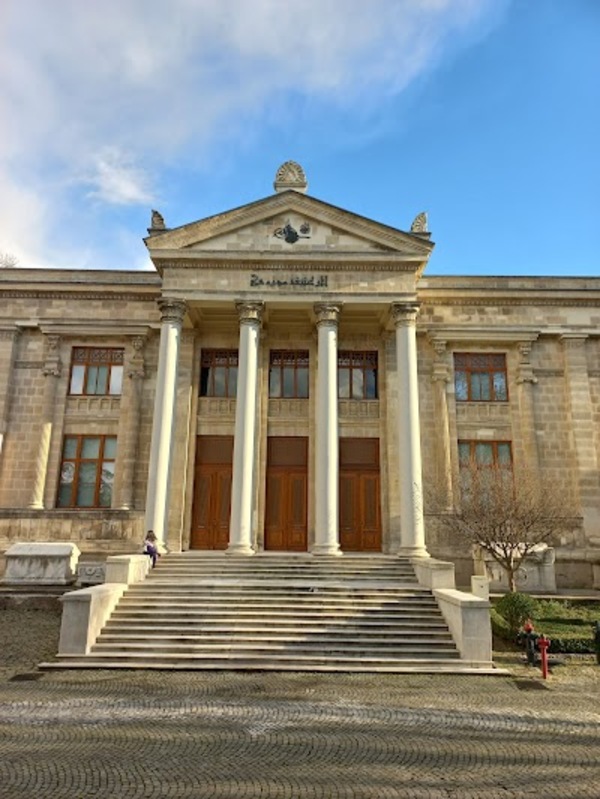
The Istanbul Archaeology Museums are a complex of three buildings on the slope between Gülhane Park and Topkapı Palace.

On one side of Sultanahmet Square stands the Sultan Ahmed Mosque, on the other Ayasofya (Hagia Sophia), with its pinkish walls, four minarets and broad dome.

Evliya Çelebi was a 17th-century traveller who spent more than forty years crossing the Ottoman lands and neighbouring countries and gathered what he saw into the ten volumes of his Seyahatname, the Book of Travels.

The siege that ran from 6 April to 29 May 1453 is one of the most retold events in Istanbul's history.

Everyone knows the Süleymaniye, the mosque whose four minarets complete Istanbul's skyline on the hill above the Golden Horn. The life of the man who built it, however, is usually squeezed into a couple of sentences.

Reading the sign on an Istanbul ferry pier means speaking several languages without noticing it.

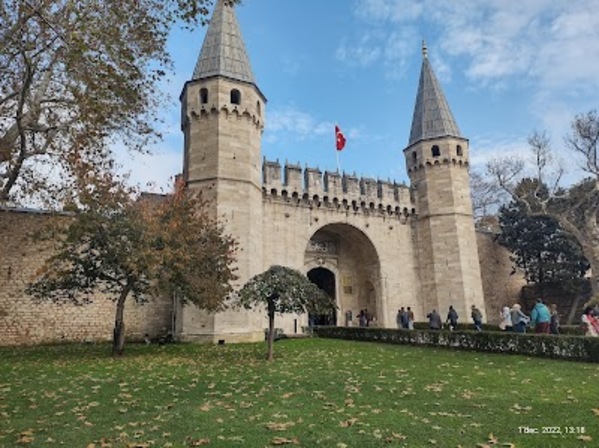
Topkapı Palace stands at the tip of the historic peninsula, on Sarayburnu, the point that looks over the Sea of Marmara, the Bosphorus and the Golden Horn at once.

In old Istanbul the most dreaded news was news of a fire. For centuries the city was built of timber, its houses leaning into one another along narrow lanes.
Waterside mansions, ferries, the two currents, fish seasons and the migration route overhead

In Istanbul, fish is a calendar before it is a menu item.

Anyone who crosses the Bosphorus by ferry ends up asking the same question.

Every day hundreds of thousands of people in Istanbul cross from one continent to another, and most of them barely notice.

Stand for a while in front of Rumeli Hisarı, or at the edge of the pile-supported road in Arnavutköy, and look at the Bosphorus. The surface does not lie still like a lake.

Istanbul is not only where two continents meet; it is also one of the most important crossing points in the world for birds.

2026 is a round-numbered year in the history of the Istanbul ferry: it marks 175 years since the founding of the Şirket-i Hayriye, the company set up to run steamers on the Bosphorus.
Palace kitchens, street food, marbling and calligraphy, Karagöz, Yeşilçam and the Tünel

Stand in front of an Ottoman calligraphic panel and you are looking at the work of three different masters. The calligrapher wrote the text in the middle with a reed pen.

The light comes on and a still, coloured picture falls on the white screen. A reed pipe sounds, the picture is lifted away, and a thin voiced man with an upturned moustache arrives.

Most visitors to Topkapı Palace head straight for the Treasury, the Harem and the terrace over the Bosphorus. The row of chimneys rising along the right side of the Second Courtyard usually ends up as a single snapshot.

In Istanbul, eating on the street is not about rushing a meal; it is a way of keeping pace with the city's calendar.

A short line that climbs from Karaköy to Beyoğlu in a minute and a half has been doing the same job for more than 150 years.

In Türkiye, calling a film a Yeşilçam film is often enough to say it is old. A black and white love story, a hard hearted rich man, a poor but proud young hero, a reunion at the end that has everyone in tears.
Films on release and special screenings
 BiletivaTicketed
 BiletivaTicketed
 BiletivaTicketed
 BiletivaTicketed
 BiletivaTicketed
 BiletivaTicketed
 BiletivaTicketed
 BiletivaTicketed
 BiletivaTicketed
 BiletivaTicketed
 BiletivaTicketed
 BiletivaTicketed
Children's plays, workshops and family events
 PassoTicketed
 BubiletTicketed
 BubiletTicketed
 BubiletTicketed
 BubiletTicketed
 BubiletTicketed
 BubiletTicketed
 BubiletTicketed
 BubiletTicketed
 BubiletTicketed
 BubiletTicketed
 BubiletTicketed
From ceramics to photography, programmes you learn by joining
 BiletixTicketed
 BiletixTicketed
 BiletixTicketed
 BiletixTicketed
 BiletixTicketed
 BiletixTicketed
 BiletixTicketedKültür İstanbulFree
 BiletixTicketed
 BiletixTicketed
 BiletixTicketed
 BiletixTicketed
This month in the concert halls
 BiletixTicketed
 BiletixTicketed
 PassoTicketed
 PassoTicketed
 PassoTicketed
 BiletixTicketed
 PassoTicketed
 PassoTicketed
 PassoTicketed
 PassoTicketed
 PassoTicketed
 PassoTicketed
For those looking for an evening out
 PassoTicketed
 BubiletTicketed
 BubiletTicketed
 PassoTicketed
 BiletixTicketed
 PassoTicketed
 PassoTicketed
 PassoTicketed
 BiletixTicketed
 PassoTicketed
 PassoTicketed
 PassoTicketed
Concerts over the next six weeks
 BiletixTicketed
 BiletixTicketed
 BiletixTicketed
 PassoTicketed
 BugeceTicketed
 BiletixTicketed
 BiletixTicketed
 BiletixTicketed
 BiletixTicketed
 BiletixTicketed
 BiletixTicketed
 BiletixTicketed
The other forms of the performing arts
 BiletixTicketed
 BiletixTicketed
 BiletixTicketed
 BiletixTicketed
 PassoTicketed
 PassoTicketed
 BiletixTicketed
 PassoTicketed
 BiletixTicketed
 PassoTicketed
 BiletixTicketed
 BiletixTicketed
From the historic peninsula to seaside walks, from ferry docks to squares, you can meet books at Istanbul Kitapçısı branches all over Istanbul and take a break immersed in culture and literature.
Museum programmes and special openings
PassoTicketedPassoTicketedPassoTicketedBilet.comTicketedBiletixTicketed PassoTicketed
 PassoTicketed
 BiletixTicketed
 Bilet.comTicketed
 PassoTicketed
 PassoTicketed
 PassoTicketed
For those making plans at the last minute
BiletivaTicketedBiletivaTicketedBiletivaTicketedBiletivaTicketedBiletivaTicketedBiletivaTicketedBiletivaTicketed BiletivaTicketedBiletivaTicketedBiletivaTicketedBiletivaTicketedBiletivaTicketed
The Serefiye Cistern, Istanbul Arasi, Miniaturk and the rest

The Serefiye Cistern is far less known because it stands in the shadow of the Basilica Cistern, yet architecturally it is one of the most striking Byzantine cisterns.

In Istanbul the ferry is an everyday means of transport; Istanbul Arasi turns that familiar journey into a culture and arts programme.

Miniaturk is a park on the shore of the Golden Horn displaying scaled models of buildings from across Turkey in the open air; in summer the same grounds turn into an open-air cinema in the evenings.

Taksim Sanat is an exhibition space run by IBB Kultur AS, right beside Taksim Square.

Koltuk Senin is an IBB Kultur AS application that allows Istanbul residents aged twenty-four and under to attend culture and arts events free.

The Kadikoy branch of Istanbul Kitapcisi turns its terrace into a concert venue in summer.

The IBB Kultur AS Digital Experience Centre does not work on classic museum logic; instead of vitrines and labels it uses projection, sound design and moving image.

The Harbiye Cemil Topuzlu Open Air Theatre is the city's most established open-air stage and is operated by IBB Kultur AS.

Istanbul Kitapcisi is the book and cultural products brand of IBB Kultur AS, with branches at different points across the city.
Municipal facilities where you sit with a view
Ferries, museum tickets, free places and the evening programme
In Istanbul the ferry is not a sightseeing vehicle but part of everyday transport; yet the same fare also gives you the best view in the city.

What makes museum visits in Istanbul expensive or reasonable is usually planning. Two people visiting the same places on the same day can end up paying very differently; a few rules change that.

Seeing Istanbul does not have to be expensive; the city's best views, its oldest buildings and several serious exhibition spaces are already free. The list below is drawn from places with no entrance fee.

In Istanbul the direction of the sunset is fixed; the sun drops west, behind the historic peninsula. That decides which points are good: places looking from east to west win. The list below is ordered on that logic.

Nightlife in Istanbul is not squeezed into a single district; each area has its own character and its own hours. Knowing what is where makes planning an evening easier.

In Istanbul, sitting down with something to drink is not a break but can be the day itself.

Crossing between the two sides of Istanbul is not a tourist gesture but how the city works day to day. Splitting a day between the two sides is both more varied and, thanks to the ferry rides, more restful.
The municipality's budget friendly restaurants
Public beaches with lifeguards, on the Marmara and Black Sea coasts
Municipal cafes in parks, at piers and on squares
From coding to exam preparation, the municipality's free workshops
Study and programme centres open to ages fifteen to twenty nine
The municipality's wedding, engagement and meeting venues
The municipality's public swimming pools and sports programmes
The municipality's sports complexes, stadiums and facilities
Hop on hop off city tours on the municipal double decker
The city's history, its guides and urban research
Novels, stories, anthologies and biography
A selection with a cultural and artistic flair: handicrafts, gifts, and design products.
 Öne Çıkan%10
 Öne Çıkan%10
 Öne Çıkan%10
 Öne Çıkan%10
 Öne Çıkan%30
 Öne Çıkan%10
 Öne Çıkan%10
 Öne Çıkan%10
 Öne Çıkan%10
 Öne Çıkan%10
Short readings on architecture, history, music, and theater.
Guides to carry with you while exploring the city.

We commemorate Mimar Sinan through glimpses into his life, all the manifestations of his extraordinary intellect, and his works in Istanbul.

A walking route with stops along the way and photo notes for two historic neighborhoods along the Golden Horn.