

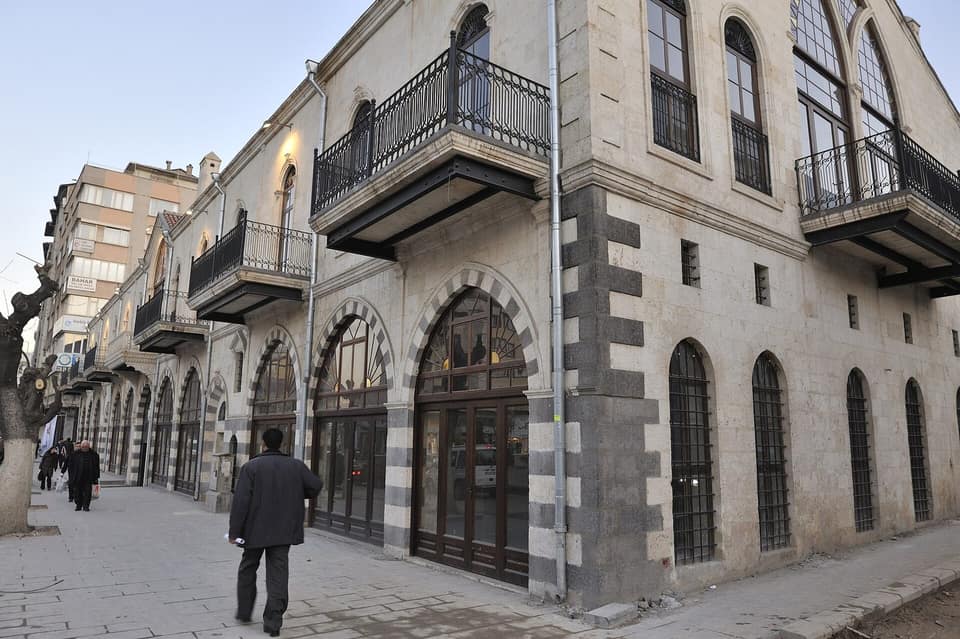
Inns, Museums and Markets at the Foot of the Citadel
Sign in to like and rate
The historic centre of Gaziantep grew around a mound rising on the southern bank of the Alleben Stream and the citadel built on top of it. The Culture Portal describes the castle as standing in the city centre, on the southern edge of the stream, on a hill some twenty-five to thirty metres high. Over time inns, bathhouses, covered markets and craft bazaars lined up at the foot of the citadel, and neighbourhoods of stone houses spread out around this core. This route suggests reading that old town in six stops, from west to east and entirely on foot.
The day begins at the Bayazhan City Museum, which introduces the whole city in a single building. Built in the early twentieth century by a tobacco merchant, this inn sums up the city's history, crafts and culinary culture, so it makes the following stops easier to read. The second stop is the Game and Toy Museum, set in a traditional Antep house in the historic Bey neighbourhood; here you look both at the collection and at the stone streets of the quarter. At the third stop, the Panorama 25 December Museum, built on the edge of the Alleben Stream on the site of the old Ayntab Redif Depot, tells the story of the Defence of Antep between 1920 and 1921 through a large-scale panorama and documents.
Then you climb to the heart of the route, Gaziantep Castle. Beginning as a Roman watchtower, taking its present shape in the sixth century and repaired in the Mamluk, Dulkadir and Ottoman periods, the castle shows all the layers of the city together. The Bath Museum, close to the castle, takes you inside the bathhouse that Lala Mustafa Pasha commissioned in the sixteenth century. The day ends at the Zincirli Bedesten, dated to the first quarter of the eighteenth century, and in the Coppersmiths' Bazaar right next to it, among the sound of hammers.
The logic of the order is simple. First you hear the general story of the city in a museum, then you move on to a neighbourhood, to the history of the defence, to the castle, to the bathhouse that was part of everyday life and finally to the bazaar that is still alive today. The Bayazhan, Game and Toy, Panorama and Bath museums were opened by Gaziantep Metropolitan Municipality; the toy museum also has a workshop area for children.
Some practical notes. The walks between the stops are short, but the streets of the old town are paved with stone and slope in places; wear comfortable, closed shoes. Because the castle stands on a fairly high hill, you reach it by walking uphill. Gaziantep Castle and the Zincirli Bedesten were restored after the 2023 earthquake; before you go, check the current visiting status of the castle and the museums, their opening days and entry conditions with official sources. The panorama museum is the stop that needs the most time; allow at least an hour for it. In summer carry water and use the cool interiors of the museums as a break during the midday heat. If you plan to shop in the bazaar, ask the craftsman whether the piece is handmade.
Sources
- Gaziantep Büyükşehir Belediyesi, Bayazhan Gaziantep Kent Müzesi, https://gaziantep.bel.tr/tr/tarihi-ve-kulturel-eserler/muzeler/bayazhan-gaziantep-kent-muzesi
- Gaziantep Büyükşehir Belediyesi, Gaziantep Oyun ve Oyuncak Müzesi, https://gaziantep.bel.tr/tr/tarihi-ve-kulturel-eserler/muzeler/gaziantep-oyun-ve-oyuncak-muzesi
- Gaziantep Büyükşehir Belediyesi, Panorama 25 Aralık Müzesi, https://gaziantep.bel.tr/tr/tarihi-ve-kulturel-eserler/muzeler/panorama-25-aralik-muzesi
- Gaziantep Büyükşehir Belediyesi, Gaziantep Kalesi, https://gaziantep.bel.tr/tr/tarihi-ve-kulturel-eserler/kaleler/gaziantep-kalesi
- Gaziantep Büyükşehir Belediyesi, Gaziantep Savunması ve Kahramanlık Panorama Müzesi, https://gaziantep.bel.tr/tr/tarihi-ve-kulturel-eserler/muzeler/gaziantep-savunmasi-ve-kahramanlik-panorama-muzesi
- Gaziantep Büyükşehir Belediyesi, Hamam Müzesi, https://gaziantep.bel.tr/tr/tarihi-ve-kulturel-eserler/muzeler/hamam-muzesi
- Gaziantep Büyükşehir Belediyesi, Zincirli Bedesten, https://gaziantep.bel.tr/tr/tarihi-ve-kulturel-eserler/tarihi-carsilar-pazarlar-ve-bedestenler/zincirli-bedesten
- Gaziantep Büyükşehir Belediyesi, Bakırcılar Çarşısı, https://gaziantep.bel.tr/tr/tarihi-ve-kulturel-eserler/tarihi-carsilar-pazarlar-ve-bedestenler/bakircilar-carsisi
- Kültür Portalı, Gaziantep Kalesi, https://www.kulturportali.gov.tr/turkiye/gaziantep/gezilecekyer/gaziantep-kalesi
- Kültür Portalı, Gaziantep Hamam Müzesi, https://www.kulturportali.gov.tr/turkiye/gaziantep/gezilecekyer/gaziantep-hamam-muzesi
- Kültür Portalı, Bakırcılar Çarşısı, https://www.kulturportali.gov.tr/turkiye/gaziantep/gezilecekyer/bakircilar-carsisi
- Wikipedia, Hamam Müzesi, https://tr.wikipedia.org/wiki/Hamam_Müzesi
- Wikipedia, Gaziantep Panorama 25 Aralık Müzesi, https://tr.wikipedia.org/wiki/Gaziantep_Panorama_25_Aralık_Müzesi
- Wikipedia, Bayaz Han, https://tr.wikipedia.org/wiki/Bayaz_Han
- Wikipedia, Antep Kuşatması, https://tr.wikipedia.org/wiki/Antep_Kuşatması
- Hürriyet Daily News, Gaziantep's defense museum hosts 1.5 mln visitors in 5 years, https://www.hurriyetdailynews.com/gazianteps-defense-museum-hosts-1-5-mln-visitors-in-5-years-217235
- İstiklal (AA), Müze ziyaretçilerini oyun ve oyuncaklarla kültürel yolculuğa çıkarıyor, https://www.istiklal.com.tr/kultur-sanat/muze-ziyaretcilerini-oyun-ve-oyuncaklarla-kulturel-yolculuga-cikariyor-606464h
- Yeni Ankara, Gaziantep Bayazhan, https://www.yeniankara.com.tr/turkiye-haberleri/gaziantep-bayazhan-asirlik-tutun-hanindan-yasayan-kent-muzesine-173435
- Yeni Ankara, Gaziantep Zincirli Bedesten, https://www.yeniankara.com.tr/turkiye-haberleri/gaziantep-zincirli-bedesten-300-yillik-tarihi-carsinin-sirri-173425
- Yeni Birlik, Bedesten hayat buldu, https://www.gazetebirlik.com/kultur-sanat/asrin-felaketinden-sonra-buyuk-donusbedesten-hayat-buldu/915409
Route Stops
Bayazhan Gaziantep City Museum
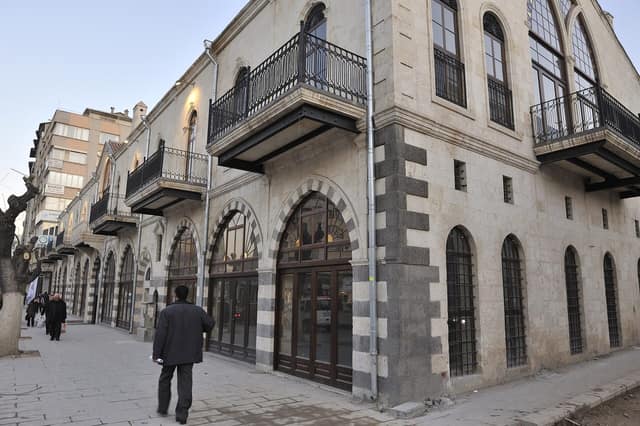
The reason for starting the route at Bayazhan is that the municipality created this museum to introduce the whole city. Gaziantep Metropolitan Municipality turned the inn built in 1909 by the tobacco merchant Bayaz Ahmet Efendi into a museum to present the city's culture and history, and opened it to visitors in 2009. According to information reported in the press, ownership of the building passed to the municipality in 2005 and the restoration took about four years. The same source relates that the owner was inspired by a lodging building he had seen in Aleppo and that architects and stonemasons from Aleppo worked on the construction. Before going in, spend some time looking at the facade; the three-storey main building reached by an inner staircase and the arcaded northern section, with their low-arched windows, reflect the region's tradition of stonework. The inn's first function was trade, but the war years gave the building quite different roles. It is also said that the first cinema screening in the city took place in the large hall of this inn. Inside the museum, follow the order of subjects defined by the municipality: history, places to visit, natural beauty, economy, crafts and culinary culture. These sections help you build a mental map of the places you will see during the day. Study the models of the city's important buildings carefully; seeing the castle and the bazaars here first on a small scale makes it easier to find your way on site. The craft sections are the part of the museum that needs the most time. Kutnu weaving, mother-of-pearl inlay and copper working are recreated with mannequins in themed sections. In these displays, notice how the workbench, the tools and the raw material are arranged; at the end of the day you will see the same work in the hands of real craftsmen in the bazaar. Look separately at the patterns of the kutnu, at how mother-of-pearl is set into wood and at the motifs worked onto the copper. The museum also has an exhibition hall dedicated to the sister cities and spaces used for temporary exhibitions. If an exhibition is on that day, have a look at the notice boards. Part of the courtyard and the interiors is used for commercial purposes today; follow the signs while you visit the museum section. For photographs, shooting the facade from the opposite pavement is the easiest way to fit the whole building into the frame. Check the museum's opening days and entry conditions on the municipality's official website before you go. The next stop, the Bey neighbourhood, is a historic residential area reached after a short walk. Once you step into its stone streets, you begin to experience the old urban fabric you saw in the models, this time at its real scale.
Source: Gaziantep Büyükşehir Belediyesi, Bayazhan Gaziantep Kent Müzesi.
Gaziantep Toy and Game Museum
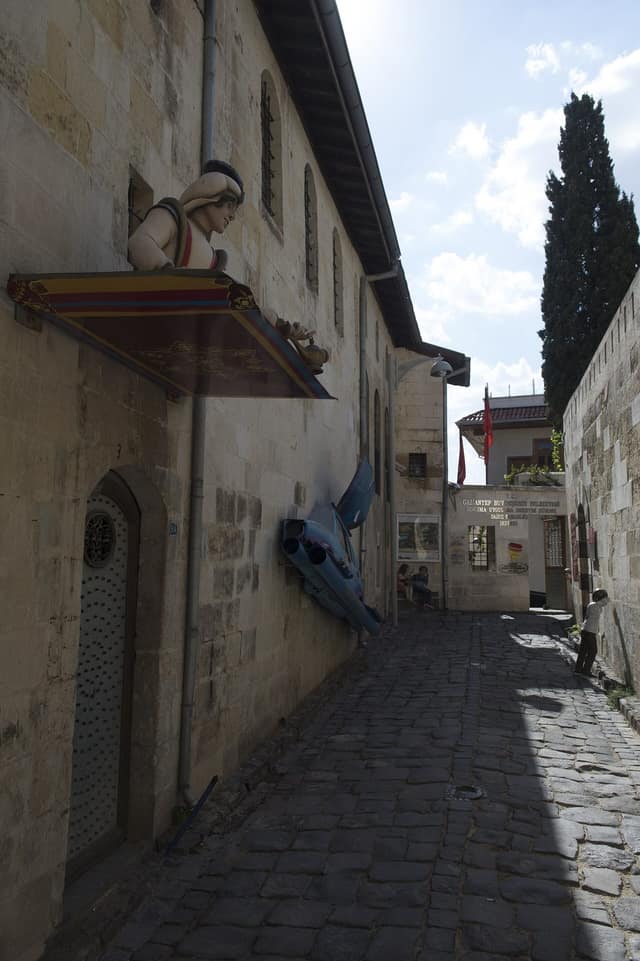
The second stop is the Game and Toy Museum, which in the municipality's words is set in a traditional Antep house in the city's historic Bey neighbourhood. Before reaching the museum, walk slowly through the streets of the quarter; the narrow stone-paved lanes and courtyard walls are a good introduction to Antep's old residential fabric. Gaziantep Metropolitan Municipality restored the building and opened it to visitors on 6 April 2013. According to the municipality, it is one of four toy museums in Türkiye. In the Anadolu Agency report the building is described as a three-storey historic house; begin your visit by going through the floors in turn. The collection covers handmade toys produced between 1700 and 1990. Alongside them there are pieces featuring cartoon, cinema and fairy-tale characters, made up of the first examples of their series. The municipality states that around seven hundred toys are displayed in eight separate galleries. As you go through the galleries, pay attention to the materials of the toys; pieces made of wood, metal and fabric show how production techniques changed over time. According to museum staff, the collection includes toys from countries such as Germany, Iran, Egypt, Italy, France and the United States. The same source says that German toys are numerous because Germany was for a period the world's leading country in toy production. One of the rooms is devoted to Turkish toys; look for pieces familiar from your own childhood. The museum presents not only toys but also some traditional children's games. The most striking section is the area the municipality describes as a two-storey cave themed on the children of the world. According to the museum team, the flags and regional costumes of twenty-four countries are displayed in this cave, arranged as a small tour of the world. Since the cave is also used as an exhibition space, you may find a different arrangement on the day of your visit. If you come with children, look at the workshop area within the museum; the municipality states that toy workshops and activities for children are held here. Check the workshop programme and the museum's opening days with official sources before you go. When school groups are numerous the narrow rooms can get crowded; choose the early part of the day for a quiet visit. Ask the staff about the rules before taking photographs. Since the Bey neighbourhood is also a historic residential area where people live, take care to walk quietly through its streets. After leaving the museum, take one more look at the stone houses of the quarter as you head towards the castle. The next stop is the Panorama 25 December Museum on the edge of the Alleben Stream.
Source: Gaziantep Büyükşehir Belediyesi, Gaziantep Oyun ve Oyuncak Müzesi.
Gaziantep Panorama Museum (December 25th)
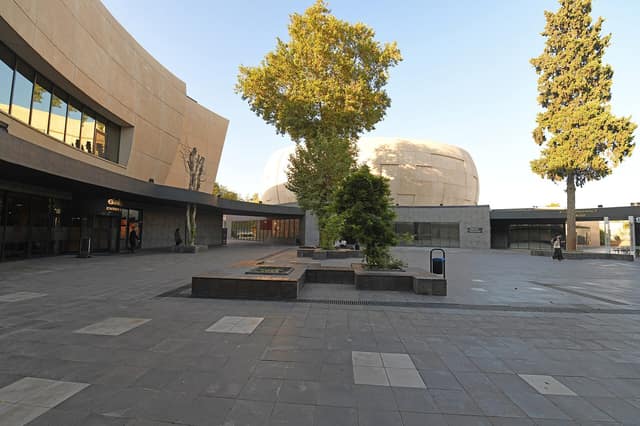
The third stop is the museum on the route that needs the most time. The Panorama 25 December Museum was built on the edge of the Alleben Stream, on the site of the old Ayntab Redif Depot. According to the municipality, this depot served the Ottoman army until 1912 and was destroyed in the French bombardment. The site was later used for military purposes for many years and was transferred to the municipality under a protocol. The subject of the museum is the Defence of Antep between 1920 and 1921. The museum tries to tell this period with documents not only as a war but as a process lived through by the people of the city. According to a report in Hürriyet Daily News, the museum opened on 21 December 2020 and received around one and a half million visitors in five years. Start your visit with the first section. These remains are a reminder that the banks of the Alleben have been a place of settlement since very early times. Then move on to the large map on the floor; here you see the fronts of the occupation period and the boundaries of the city from above. The Telegraph Gallery and the section of foreign documents display the correspondence of the time; take your time reading the explanatory texts. In the section devoted to donated objects there are personal belongings given to the museum by relatives of those who took part in the defence. The report notes that doors and windows taken from buildings that witnessed the fighting, as well as weapons and clothing of the period, are also on display. According to the municipality, the museum contains fourteen paintings made in oil and three dioramas. The paintings and the panorama are the work of the Russian painter Alexander Samsonov. The high point of the visit is the panoramic area, which the municipality gives as one hundred and twenty metres long and thirteen metres high. As reported in the news, the panorama covers a twenty-six-month period from the raids on the village of Araplar to the liberation of the city and places the visitor inside the scene. When you enter the panorama, stand in the middle for a while and follow the canvas slowly from one end to the other. Trying to find where the three-dimensional foreground meets the painting is a good way to understand the technique. Supported by sound effects, this area can feel intense for small children; families should keep this in mind. Since the museum also has interactive areas, give young visitors time if you come with them. Check its opening days with official sources before you go. As you leave the museum the towers of the castle are visible close by; a short walk brings you to the heart of the route.
Source: Gaziantep Büyükşehir Belediyesi, Panorama 25 Aralık Müzesi.
Gaziantep Castle
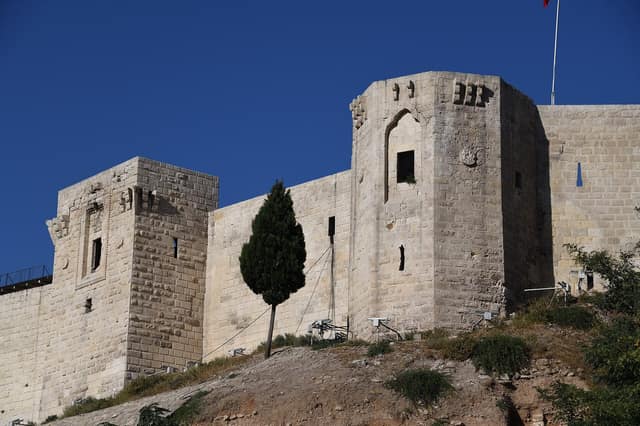
Gaziantep Castle, at the centre of the route, stands on top of the city's first settlement. According to the municipality, the castle was built on a mound dated to the Early Bronze Age whose history goes back a very long way. Find out about the building's present condition before your visit; the castle was restored after the 2023 earthquake, so check the current visiting conditions with official sources before you go. To read the castle's age layer by layer, first recall its history briefly. According to the municipality, the tower in the northern corner is thought to have been built as a guard post in the Roman period, at the end of the first century. The Culture Portal writes that the castle took its present form in the sixth century, in the reign of the Byzantine Emperor Justinian. According to the municipality's text, the Mamluk Sultan Qaitbay renovated the castle once again in 1481. According to the inscription above the main gate, the main gate and the towers on either side of the bridge were rebuilt in 1557, in the reign of Suleiman the Magnificent. The castle bears repair inscriptions from the Mamluk, Dulkadirid and Ottoman periods. As you approach the main gate, look for the inscription; this is the easiest place to start telling apart the stones of different periods. The castle has an irregular circular plan, about one hundred metres in diameter and twelve hundred metres in circumference. There are twelve towers on the curtain walls; according to the municipality, four of them were built by different rulers and emirs. There was once a moat around the castle and it was crossed by a bridge; these structures have not survived. According to the municipality's description, two paths open up once you pass through the main gate. The path on the left climbs to the upper parts of the castle. The path continuing straight on from the gate leads to the gallery, the tunnels, the castle rooms and the sweet and bitter water sources. Evliya Çelebi wrote that the castle contained two baths, a small mosque, twenty houses and the warden's house; excavations by the Gaziantep Museum uncovered these baths and the small mosque. According to the municipality, the gallery, one hundred and forty metres long, was cleared, lit and opened to visitors. Since 2009 this gallery has housed a panorama museum that tells the story of the Defence of Antep with pictures, reliefs, sculptures and models. Excavations by the Gaziantep Museum together with Ankara University also continue on the southern slope of the castle. If you can climb to the upper parts, pause for a while to look over the rooftops of the city and the bazaar quarter below. Because the castle is on a hill you walk uphill; wear non-slip shoes and in summer choose the cooler hours of the day. For photographs, the towers are best captured looking up from the foot of the castle. When you come down, the next stop, the Bath Museum, is a short walk away.
Source: Gaziantep Büyükşehir Belediyesi, Gaziantep Kalesi.
Gaziantep Bath Museum
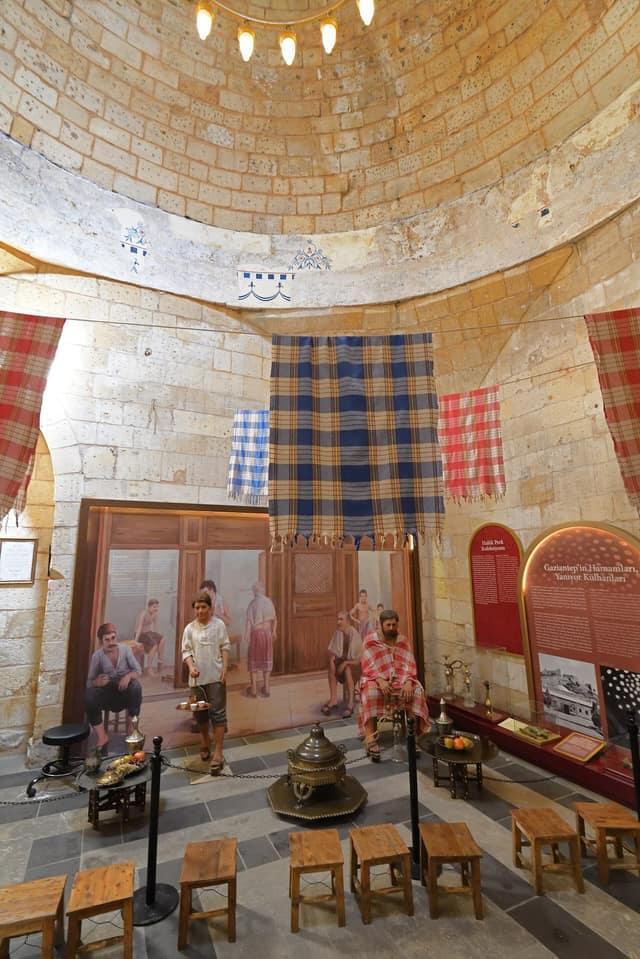
Coming down from the castle, you move on to the everyday life of the Ottoman city at the nearby Bath Museum. According to the municipality and the Culture Portal, the building served as the bathhouse of the complex commissioned by Lala Mustafa Pasha. Endowment records show that the bathhouse was built in 1577. Used for many years under the name Paşa Hamamı, the building was restored by the municipality and opened as the Gaziantep Bath Museum on 4 September 2015. The first thing to notice at the entrance is the building's position. At the bottom of the stairs you enter the first section, the cool room, the area where bathers undressed and rested. Then come the warm room and the hot room in turn. Following this order helps you understand how the temperature of the bath rose gradually from one section to the next. The water tank and the furnace are also parts that kept the bathhouse working; read on the panels how the water was heated and distributed. The collection consists of bath implements chosen from the Haluk Perk Collection. Wooden clogs, copper bowls, ewers, soaps, bath wraps, towels and scrubbing mitts are displayed in the cases. Look closely at the workmanship of the copper bowls; you will see that the same craft still goes on today in the bazaar at the last stop of the route. The museum recreates bath etiquette and the customs connected with the bathhouse through wax figures. These scenes show that the bathhouse was not just a place to wash but a place where the social life of the city gathered. Pause for a moment in the domed hot room and look up; the roofing system is the most characteristic element of bathhouse architecture. The museum also has interactive features such as touch screens and a soap-making machine. Because the museum is small, forty minutes is enough for a relaxed visit, but the floor may be damp and slippery in places. The Culture Portal presents the same sections and collection in a similar way; reading both sources in advance makes the visit easier. Check its opening days with official sources before you go. From here a short walk towards the bazaar quarter brings you to the last stop, the Zincirli Bedesten.
Source: Gaziantep Büyükşehir Belediyesi, Hamam Müzesi.
Chain Bazaar
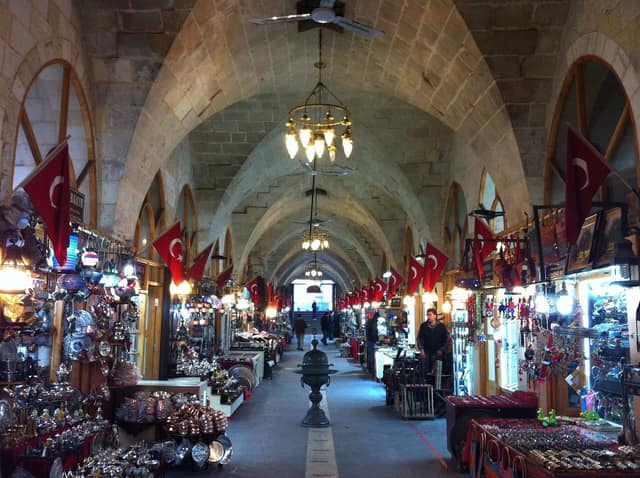
The last stop on the route is the bazaar quarter, where the commercial life of the old city still goes on today. According to the municipality, the building commonly known as the Zincirli Bedesten was commissioned by Hüseyin Pasha in the first quarter of the eighteenth century. The four-line inscription above its southern gate was written by Kusuri; look at this inscription before going in. The bedesten consists of two wings, one running from north to south and the other from east to west, meeting in the north-east. It is a covered, single-storey and plain building; the municipality records that it has eighty shops. Inside, walk the vaulted corridor from one end to the other and stop at the corner where the two wings meet to grasp the shape of the plan. The building's recent past is also interesting. According to the municipality, an extra floor was once added on top and it was used as a courthouse, but this floor was completely destroyed in the fire of 1957. In the following years the walls were strengthened, the roof was renewed and the shops in the butchers' section were repaired. This butchers' section is a reminder that the bedesten was associated with the sale of meat for a long time. The Regional Directorate of Foundations restored the building in 2008. Before your visit, check the days the shops are open and the current condition of the building. After touring the bedesten, cross over to the Coppersmiths' Bazaar right next to it. According to the municipality, this bazaar is a group of markets where many craftsmen produce their work, and it lies within the inns quarter. Although the date of construction of the shops is not known for certain, they are thought to have been built in the nineteenth century. The single-storey shops are made of neatly cut hard limestone, locally called keymıh, and open onto the street through arched entrances. The Culture Portal notes that the bazaar is part of the Culture Route Project and received an award of merit from the Union of Historic Towns. Copper working, which gives the bazaar its name, still continues intensively today. Watch the craftsmen at their benches as they work patterns with the hammer; here you see live the craft you saw with mannequins at Bayazhan in the morning. Before buying something, ask the craftsman whether the piece is handmade or mass-produced. In the late afternoon, when the lights of the shops come on, the arched streets have their best light for photographs; end the day here.
Source: Gaziantep Büyükşehir Belediyesi, Zincirli Bedesten ve Bakırcılar Çarşısı.
Comments
Loading...
