

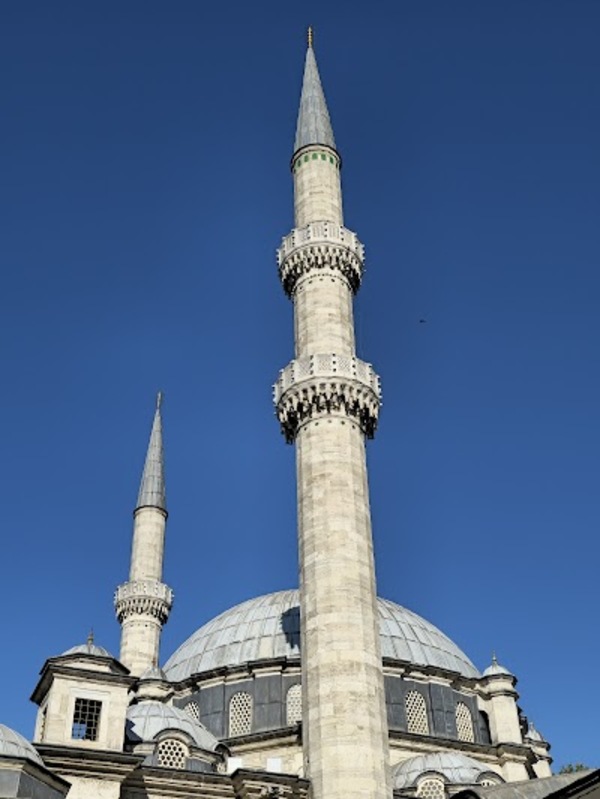
Eyüp Sultan Camii
Sign in to like and rate
Eyüp Sultan Mosque is one of the spiritual centers of Istanbul and holds great religious significance as it houses the tomb of the companion Abu Ayyub al-Ansari, attracting a large number of visitors.
About Venue
Eyüp Sultan Mosque is a place of worship located in the Eyüpsultan district of Istanbul, at the northern tip of the Golden Horn, and holds great religious and historical significance. The mosque was built on the tomb of Abu Ayyub al-Ansari, one of the standard bearers and companions of Prophet Muhammad. Abu Ayyub al-Ansari, known as Eyüp Sultan, was martyred during the siege of Istanbul and was buried in this area.
The construction of Eyüp Sultan Mosque took place shortly after the conquest of Istanbul, in 1458, during the reign of Ottoman Sultan II. Mehmed (Mehmed the Conqueror). However, over time, the structure suffered various earthquakes and damages, and it was largely rebuilt during the reign of III. Selim in the 18th century. Although the current mosque features baroque styles, it also bears traces of classical Ottoman architecture.
The main dome of the mosque rises on eight supporting pillars and is surrounded by semi-domes for support. The interior decorations are simple, yet particularly notable examples of calligraphy and tiled panels stand out. The minarets of the mosque reflect the characteristics of classical architecture with their slender and elegant structures. The fountain and portico structure located in the mosque courtyard is used as an area for ablution before worship.
The Eyüp Sultan Tomb is located right next to the mosque and is frequently visited by both local and foreign tourists throughout the year. Especially during the month of Ramadan, the area around the tomb and mosque experiences heavy visitor traffic. During the Ottoman period, the sword-girding ceremonies of sultans were also held here, making the mosque significant not only religiously but also symbolically.
Eyüp Sultan Mosque is one of the most visited centers in Istanbul in terms of religious tourism. The area also offers a spiritual atmosphere with its surrounding historical cemeteries, Pierre Loti Hill, and traditional bazaars.