

From Hersek to the City Centre, Half a Day on the Yalova Shore
Sign in to like and rate
This route reads Yalova from east to west along the shore of the Gulf of İzmit. The day begins at the narrowest point of the gulf, in the Hersek delta where the alluvium carried by the Yalakdere meets the sea, among the birds; in the afternoon it ends on the seafront of the city centre, in the quiet of a memorial. The two stops in between carry Yalova's identity as a resort in the early years of the Republic and the memory of the first Ottoman paper mill. Nature, urban history, culture and the city's recent past thus fit into half a day. By area Yalova is Türkiye's smallest province, yet it has a long coastline on the sea; this route links four of the most meaningful points of that shore. Because the distances between the stops are short, the day passes without hurry and there is time at each stop to sit and look around.
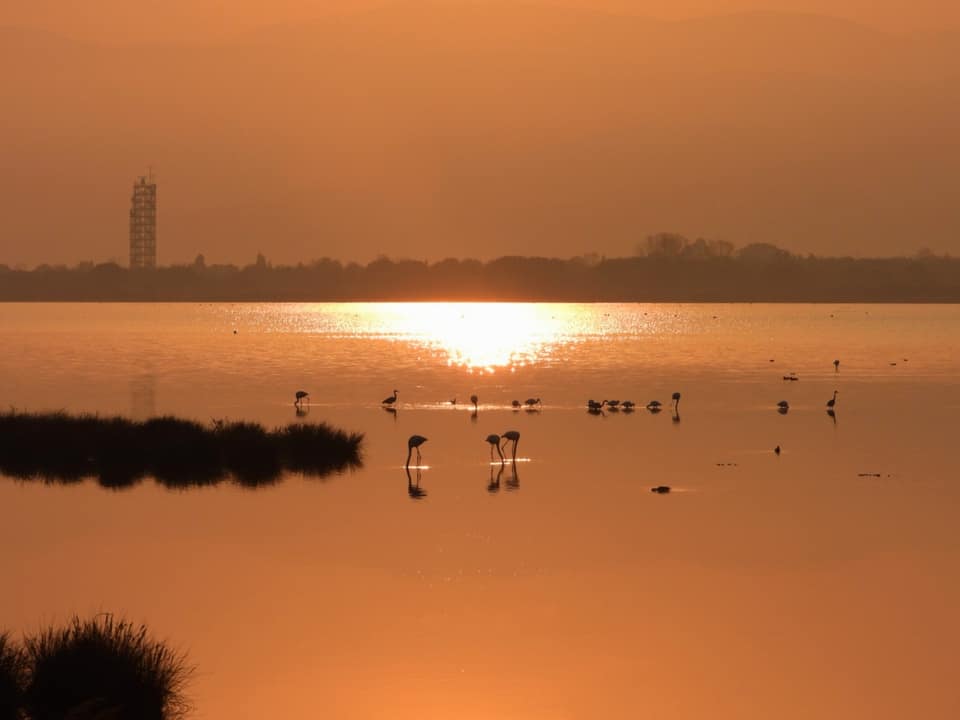
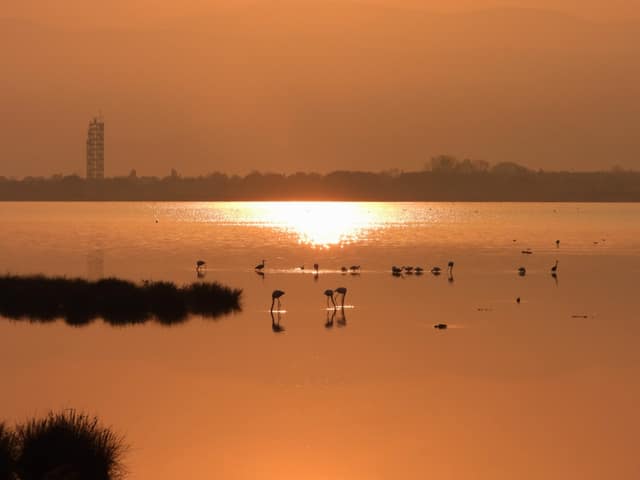
The first stop is Hersek Lagoon in Altınova. Separated from the sea by a thin strip of sand, this shallow lake is protected as a wetland of local importance and fills with flamingos in winter. A barrier-free birdwatching tower and a nature education centre make the walk easy. The lagoon is at its most beautiful in the morning light, which is why the route starts there.
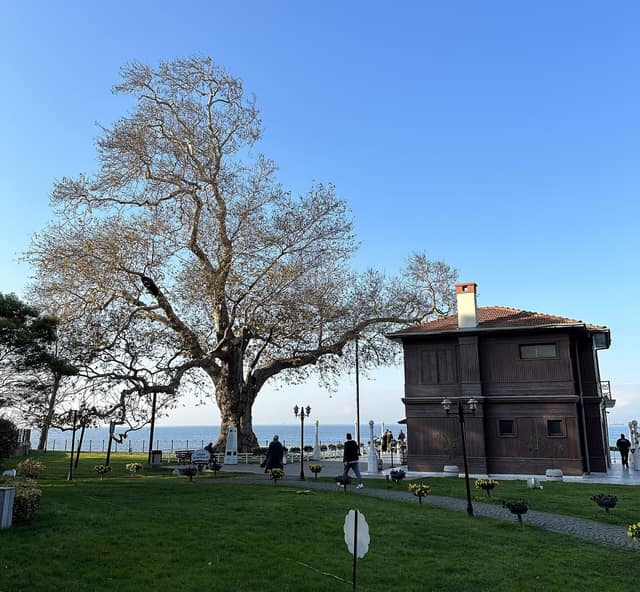
Turning back along the coast road to the city centre, the second stop is the Walking Mansion (Yürüyen Köşk) in Millet Çiftliği. Built within a few weeks in 1929, the timber mansion was slid a few metres on tram rails in the summer of 1930 so that the branches of the plane tree beside it would not have to be cut. The rooms of the mansion, its glazed hall facing the sea and the shade of the plane tree easily fill forty-five minutes.
The third stop is the Raif Dinçkök Cultural Centre in the city centre. The İbrahim Müteferrika Paper Museum inside the building tells the story of the first Ottoman paper mill founded in Yalova in the 1740s; in the basement workshop you can watch how paper is made. In the Archaeopark in the building's garden, stone works from the Roman, Byzantine and Ottoman periods are displayed in the open air.
The last stop is 17 August Park and the Yalova Earthquake Monument on the seafront. The park was laid out on land reclaimed from the sea with the rubble of buildings that collapsed in the 1999 earthquake, and it carries the shared memory of the city. Walking here unhurriedly and respectfully, and closing the day with a calm stroll by the sea, is the natural end of the route.
The order follows geography: the lagoon lies east of the city centre, while the other three stops line up westward along the shore. From the lagoon to the city centre there is a drive that can take a little over half an hour; between the mansion, the museum and the park short drives are enough, and anyone who wishes can walk between the museum and the park. Since visiting days and hours of the mansion and the museum may change, check the current announcements of the operating institutions before setting out. At the lagoon, bringing binoculars, staying quiet and keeping to the paths is the way not to disturb the birds. At the earthquake memorial, one should not speak loudly and should show respect for the names on the marble when taking photographs.
Sources
- Doğa Koruma ve Milli Parklar 2. Bölge Müdürlüğü, Yalova Hersek Lagünü Mahalli Öneme Haiz Sulak Alanı, https://bolge2.tarimorman.gov.tr/Menu/161/Yalova-hersek-Lagunu-Mahalli-Oneme-Haiz-Sulak-Alani
- Yalova Belediyesi, Hersek Lagünü Kuş Cenneti, https://www.yalova.bel.tr/tarihi-merkez/hersek-lagunu-kus-cenneti/13
- TRT Haber, Hersek Kuş Cenneti, https://www.trthaber.com/haber/guncel/hersek-kus-cenneti-221-farkli-turle-5-bin-ziyaretci-agirladi-453516.html
- Yalova İl Kültür ve Turizm Müdürlüğü, Yalova Tarihi, https://yalova.ktb.gov.tr/TR-128111/yalova-tarihi.html
- Yalova İl Kültür ve Turizm Müdürlüğü, Yürüyen Köşk, https://yalova.ktb.gov.tr/TR-75636/yuruyen-kosk.html
- Kültür Portalı, Yürüyen Köşk, https://www.kulturportali.gov.tr/turkiye/yalova/gezilecekyer/yuruyen-kosk
- Yalova Belediyesi, Yürüyen Köşk, https://www.yalova.bel.tr/tarihi-merkez/yuruyen-kosk/1
- Yalova Belediyesi, İbrahim Müteferrika Kağıt Müzesi, https://www.yalova.bel.tr/tarihi-merkez/ibrahim-muteferrika-kagit-muzesi/7
- Yalova Belediyesi, RDKM ve Arkeopark, https://www.yalova.bel.tr/tarihi-merkez/rdkm-ve-arkeopark/26
- Kültür Envanteri, İbrahim Müteferrika Kağıt Müzesi, https://kulturenvanteri.com/yer/ibrahim-muteferrika-kagit-muzesi/
- Hürriyet Daily News, First paper museum opens in northwestern province, https://www.hurriyetdailynews.com/first-paper-museum-opens-in-northwestern-province-47761
- Yalova Belediyesi, 17 Ağustos Parkı ve Deprem Anıtı, https://www.yalova.bel.tr/tarihi-merkez/17-agustos-parki-ve-deprem-aniti/22
- Wikipedia, Yürüyen Köşk, https://tr.wikipedia.org/wiki/Yürüyen_Köşk
- Wikipedia, İbrahim Müteferrika Kağıt Müzesi, https://tr.wikipedia.org/wiki/İbrahim_Müteferrika_K%C3%A2ğıt_Müzesi
- Wikipedia, Yalova Deprem Anıtı, https://tr.wikipedia.org/wiki/Yalova_Deprem_Anıtı
Route Stops
Hersek Lagoon
Arrive at Hersek Lagoon early in the morning; the birds are at their most active then, and the light lies softly on the water. The lagoon is in the district of Altınova, about twenty-seven kilometres from the centre of Yalova. The area was registered in 2016 by the nature conservation and national parks authority as a wetland of local importance. The easiest way to begin is at the nature education centre on the north side, because the birdwatching area and the tower are also on this side. The barrier-free birdwatching tower is a steel structure about twenty-two metres high, and every floor can be reached by lift. From the upper floors of the tower you can clearly see how the lagoon is separated from the sea by a thin strip of shore. The average depth of the lake is about half a metre, and even its deepest point does not reach one metre. This shallowness makes the lagoon well suited for feeding water birds. The largest bird gatherings are seen here in winter, and flamingos are the most photographed guests of the season. The area lies on the route of birds migrating between Europe and Africa in spring and autumn. On the sand strip between the sea and the lake, species such as terns, gulls and the little ringed plover breed in colonies. During the breeding season do not approach this strip, and prefer to watch from a distance with binoculars. The walking paths have been designed to be suitable for visitors with disabilities as well. In the medicinal and aromatic plant garden on the south side, a wide collection of trees, shrubs and ground cover plants is introduced. This garden is a good place for a short break in the shade after birdwatching. The lagoon also has a story about its title deed; according to the sources, this is the only lake in Türkiye with a title deed. The deed of the lake was given to Hıfzı Bey, who settled here from Thessaloniki, and in 1950 Refik Hıfzı Bey donated all his property to the Darülaceze almshouse. At the point where the lagoon meets the sea there is also a spot where Atatürk is said to have sat and gazed at the Marmara. The design of the Osmangazi Bridge, which passes right beside it, was changed by giving the bridge a curve so that the lagoon would be protected. When the bridge piers and the reed beds fall into the same frame, the present of the gulf and its nature appear side by side. The Hersek area was also an important passage in history; the Battle of Bapheus was fought in 1302 at the mouth of the Yalakdere valley where it opens to the sea. Near the lagoon there is also a historic Ottoman-era building whose courtyard is surrounded by centuries-old trees. For photographs choose an angle that keeps the sun behind you, as the morning light shows the colour of the water best. On windy days the shore can turn chilly, so bring an extra layer of clothing. To avoid disturbing the birds, do not talk loudly and do not leave the paths. From here turn west along the coast road towards the city centre and head for Millet Çiftliği.
Source: DKMP 2. Bölge, Hersek Lagünü; Yalova Belediyesi; Yalova İl Kültür ve Turizm Müdürlüğü.
Walking Pavilion
The Walking Mansion stands inside Millet Çiftliği, by the seaside promenade and close to the Yalova pier. The grounds of the mansion now lie within a horticultural research institute, so follow the signs at the entrance. Before approaching the mansion, look at the great plane tree beside it; it is this tree that gave the mansion its name and its fame. Construction of the mansion began in the summer of 1929 and was completed in about three weeks. In the summer of 1930, when it was reported that the growing branches of the plane tree were damaging the roof and walls, it was requested that the building be moved instead of cutting the branches. The task was taken on by the Istanbul Municipality, and chief engineer Ali Galip Alnar and his team came to Yalova. The ground around the building was dug down to the level of the foundations, and tram rails brought from Istanbul were placed under the structure. The sliding began on 8 August 1930 and was completed on 10 August. The building was thus moved about 4.80 metres, and the plane tree was saved from being cut down. Since that day the mansion has been known as the Walking Mansion. Walk around the outside and examine the timber-clad facades, the columns and the tiled roof. When you go inside, the first thing that draws attention is the meeting hall whose sea-facing sides are covered with crystal glass. According to the description on Wikipedia, the gramophone its owner was fond of is also displayed in this hall. On the ground floor there is a small room and a sitting room, and on the upper floor, reached by a wooden staircase, there are a resting room and a bedroom. The sources also note that no kitchen was deliberately built in the mansion. In the display cases you can see objects such as a porcelain dinner service, sets of cutlery, crystal jugs and household textiles of the period. According to the municipality page, personal belongings, photographs, paintings and documents are also exhibited in the museum. The mansion was registered in 1980 as a cultural property requiring protection, and in 2006 it was restored by the Yalova Municipality and opened to visitors. The long wooden jetty reaching from the front of the mansion to the sea gives a good angle for photographing the plane tree and the mansion together. Before noon the light falls more softly on the facade, and the shade of the plane tree is a pleasant place to sit and rest. Because the interior of the mansion is small, you may have to wait in line on busy days. Since visiting days and hours may change, check the current information on the official page of the operating institution. Do not touch the objects inside, and ask the attendant about the rule on photography. From here there is a short drive of a few kilometres westward along the coast road to the cultural centre in the city centre.
Source: Yalova İl Kültür ve Turizm Müdürlüğü; Kültür Portalı; Yalova Belediyesi; Wikipedia.
Ibrahim Müteferrika Paper Museum
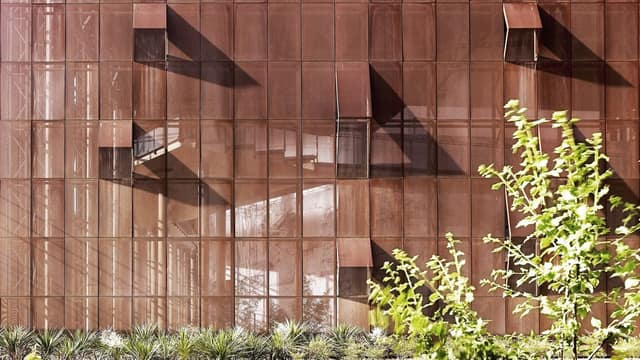
The third stop is the Raif Dinçkök Cultural Centre in the city centre, and the İbrahim Müteferrika Paper Museum is inside this building. The cultural centre opened in 2011 and hosts events such as theatre, concerts, exhibitions and conferences. As you approach the building, take a moment to look at the exterior; with its architecture the structure is regarded as one of the city's landmarks. The museum was founded by the Yalova Municipality in May 2013 and opened as Türkiye's first museum of the history of papermaking. The reason the museum exists is that the first Ottoman paper manufactory was founded in Yalova. İbrahim Müteferrika founded this manufactory in Yalova, where timber supply and the connection to Istanbul were easy, to meet the paper needs of his printing house. The sources report that the manufactory began production in 1745 and kept working for at least thirteen years after Müteferrika's death. The municipality page states that this facility was founded in the village of Elmalık and was known as the Yalakabad Paper Mill. Yalakabad is an old name used for this area by historians of the fifteenth and sixteenth centuries. Start your visit in the exhibition area on the first floor. The display cases hold paper samples from earlier periods, writing sets, documents and examples of paper art. Books printed at the Müteferrika press are among the most valuable pieces on display. According to news reports, a bust of Müteferrika is also placed in the museum. Information panels describe the history of paper, its production and conservation, and the history of the book and of librarianship. After touring the exhibition, go down to the workshops in the basement. In the workshops paper is produced with traditional methods from pieces of fabric, twigs and leaves. Sessions in which visitors can make their own paper are also organised, so ask about the conditions of participation in advance. The research of the museum's founding expert Aytekin Vural recommended that a production workshop be set up together with the museum. Special papers for artists are also produced in the workshop. When you leave the cultural centre, move on to the Archaeopark in the garden. Here archaeological works from the Roman, Byzantine and Ottoman periods are shown in an open-air display. The craftsmanship on the surface of the stone pieces reads better in the raking light of the afternoon. Before setting out, check the museum's visiting days and hours and its workshop programmes on the official page of the operating institution. From here it is about one kilometre to 17 August Park on the seafront, and you can also walk there if you wish.
Source: Yalova Belediyesi; Kültür Envanteri; Hürriyet Daily News; Wikipedia.
August 17th Park and the Yalova Earthquake Memorial
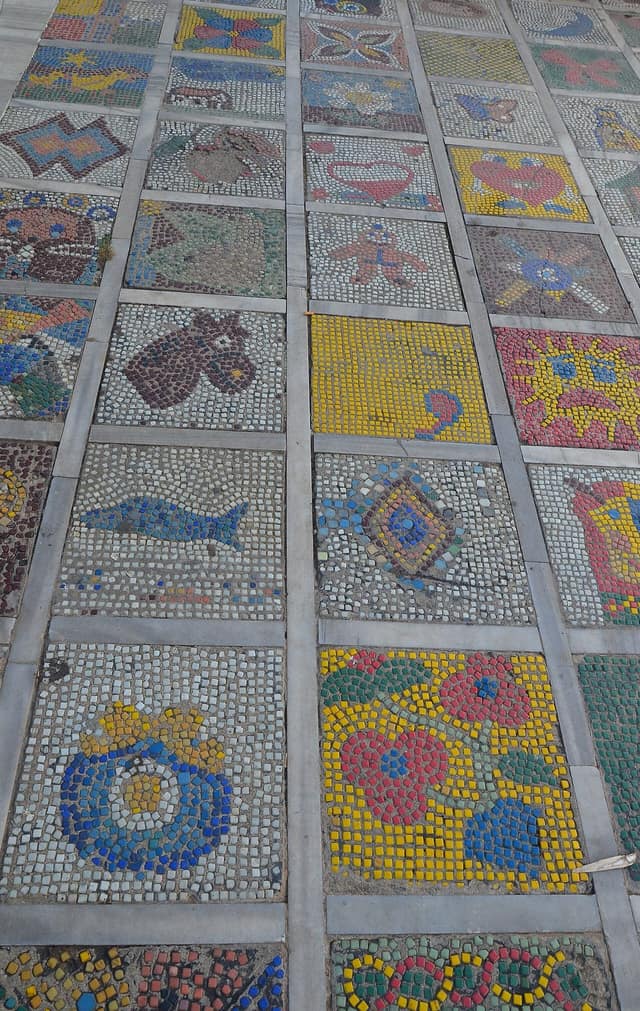
The final stop is 17 August Park on the seafront of central Yalova and the Yalova Earthquake Monument inside it. This is a place of remembrance, so slow your steps and lower your voice here. The monument was built by the Yalova Municipality to keep alive the memory of those who lost their lives in the earthquake of 17 August 1999. It was opened to visitors on the first anniversary of the earthquake, on 17 August 2000. The ground on which the park stands is land reclaimed from the sea with the rubble of buildings that collapsed in the earthquake. So as you walk across the green, know that the city's recent past lies right beneath your feet. The foundation stone of the monument was laid in June 2000, and its design belongs to the sculptor Ümit Öztürk. The monument sits at the centre of a small artificial hill and consists of a corridor flanked on both sides by marble blocks. The names of those lost in the earthquake are carved into the marble blocks. Next to each name there is a small hollow so that a flower can be left. If you wish, you can bring a flower and leave it in one of these hollows. The floor of the corridor is covered with colourful mosaic figures made of small stone pieces by the children of Yalova. Walking with your eyes on the ground is the best way to see the details of these mosaics. On both sides of the monument there are two halls displaying photographs taken after the earthquake. In the halls, quietly look at the images that tell of the city's solidarity in those days and of its rebuilding. The municipality page describes the monument as a symbol of solidarity, shared grief and rising to one's feet again. The park also hosts the commemoration ceremonies held every year. When taking photographs, avoid shooting the names on the marble one by one in close-up, and record the monument in its general view instead. Staying away from games and noise around the monument is a matter of respect for the families who visit it. After leaving the monument, head for the park's wide green areas and the seashore. The park lies right on the sea, and a walk along the shore is a fitting way to close the day calmly. This walk is also a good moment to reflect on the value of being prepared for earthquakes and of rebuilding a city together. In the late afternoon the light falling on the gulf gives a final frame looking from the shore towards Istanbul. If you are returning by ferry, the pier is in the city centre and can be reached quickly along the coast road.
Source: Yalova Belediyesi, 17 Ağustos Parkı ve Deprem Anıtı; Wikipedia.
Comments
Loading...
