

Five-Day Istanbul History, Art and Sea Route
Sign in to like and rate
This route is a relaxed exploration from Istanbul's historic peninsula to the Bosphorus shore. Each day includes two to three stops that are easy to reach by car. Museums, mosques, art galleries and waterfront spots are combined.
Route Stops
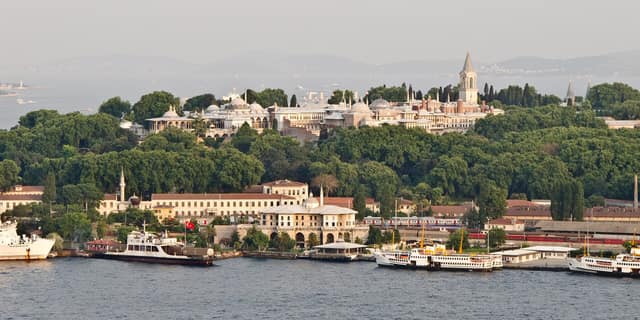
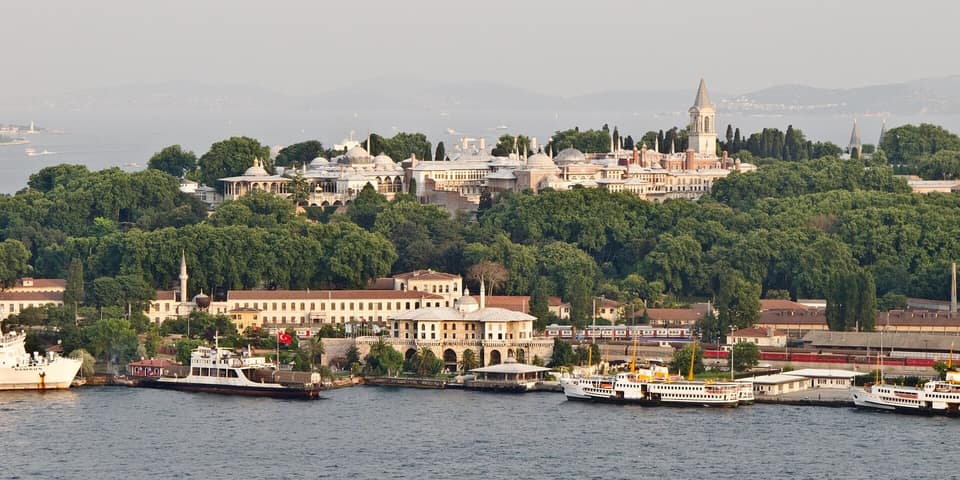
Discover a Fascinating Palace Where You Will Explore the Ottoman Grandeur in Istanbul's Historic Peninsula: Topkapi Palace
Day 1 · Visit the palace where Ottoman sultans lived, with its courtyards, treasury and Bosphorus views. Going early in the morning reduces crowds.
Located in the heart of the historical peninsula, Topkapi Palace offers visitors an unforgettable experience with its vast gardens, impressive architecture, and unique views. The palace, which displays invaluable artifacts from the Ottoman era, is an essential stop for history and culture enthusiasts.
With its unique atmosphere overlooking the Bosphorus, Golden Horn, and the Sea of Marmara, the palace awaits exploration with its four large courtyards and striking structures. The Harem Section, the private living area of the sultans and their families, provides important insights into Ottoman palace life. The Treasury Room is filled with dazzling artifacts such as golden thrones, precious jewels, and the world-famous Spoonmaker's Diamond. The Holy Relics Section captivates visitors with its unique collection of great historical and religious significance. Additionally, with its expansive gardens opening to Gülhane Park, the palace offers a delightful travel experience intertwined with both history and nature.
By visiting Topkapi Palace, you can explore the magnificent past of the Ottomans and enjoy the stunning views of Istanbul from the palace terraces. You can further enrich your visit with audio guide options and an interactive museum experience.
The Enchanting World of the Basilica Cistern with Its Mysterious Atmosphere and Historical Depth
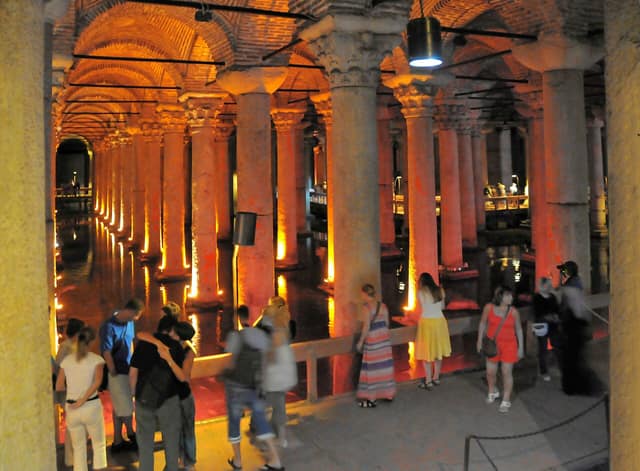
Day 1 · A Byzantine-era water cistern near Hagia Sophia where you can walk among the columns. It offers a cool and atmospheric break.
The Basilica Cistern is one of the most impressive historical structures in Istanbul, an extraordinary water reservoir that has survived from the Byzantine era to the present day. Built in the 6th century by Byzantine Emperor Justinian I, this magnificent structure was constructed to meet the city's water needs and has transformed into a legend over time with its mystical atmosphere. Offering a captivating experience with its massive stone columns, reflections under dim lights, and mysterious underground ambiance, the cistern has served various civilizations throughout history. Particularly, the upside-down Medusa head columns are among the most important elements that attract visitors with their mythological legends and mystery.
Today, the Basilica Cistern is open to visitors as a museum, waiting to be discovered like a hidden treasure in the heart of Istanbul. When you step inside the cistern, you can embark on a journey into the depths of history within a mystical and soothing silence, hearing the unique melody of water droplets echoing among the stone columns. As one of the most striking examples of Istanbul's historical and cultural heritage, the Basilica Cistern continues to offer an unforgettable atmosphere to its visitors.
The Majestic Heritage of History: The Enchanting Atmosphere of Hagia Sophia
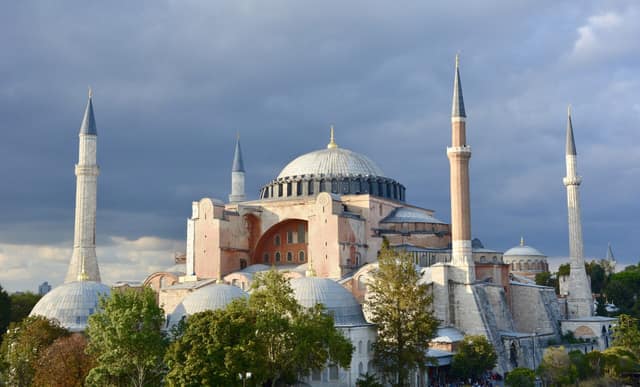
Day 1 · See Hagia Sophia, which combines Byzantine and Ottoman architecture. Dress modestly when entering.
The Hagia Sophia is a unique masterpiece that rises in the heart of Istanbul, witnessing both the Byzantine and Ottoman periods. Built as a church in 537 by Byzantine Emperor Justinian I, this magnificent structure has inspired admiration for centuries with its architecture and art. Converted into a mosque after the conquest of Istanbul by Fatih Sultan Mehmet in 1453, the Hagia Sophia has been enriched over the years with various additions, thanks to the special interest of Ottoman sultans. With its massive dome, mosaics adorned with intricate craftsmanship, giant marble columns, and mystical atmosphere, the Hagia Sophia is a captivating space that has hosted different beliefs throughout history, serving as a meeting point for cultures and civilizations. Today, this magnificent structure is open for worship as a mosque, while also welcoming visitors as a work of art and history, continuing to be one of Istanbul's most important symbols. While exploring the Hagia Sophia, it is possible to feel the traces of the past, imagine the historical memories echoing between the stone walls, and witness humanity's shared heritage.
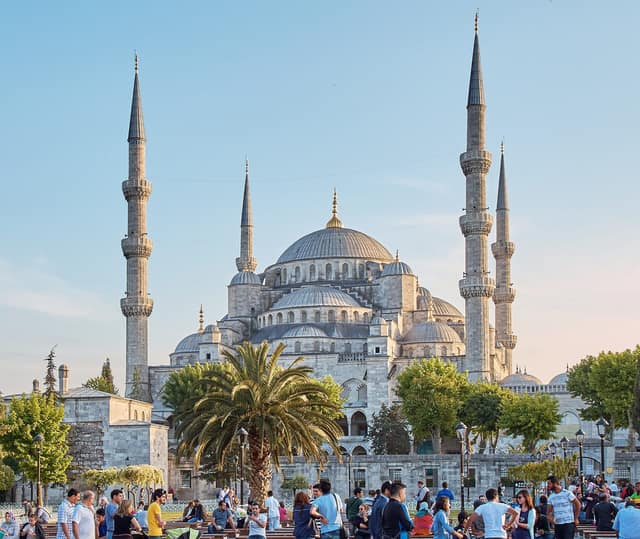
The Sultan Ahmed Mosque, built by Ottoman Sultan Ahmed I in the 17th century, is one of Istanbul's most important historical mosques, notable for its six minarets and blue İznik tiles.
Day 2 · Admire the Sultanahmet Mosque and its blue tiles. Check prayer times before your visit.
The Sultan Ahmed Mosque, located in the Fatih district of Istanbul on the Historic Peninsula, is considered one of the most important examples of classical Ottoman architecture. The construction of the mosque began in 1609 upon the order of Ottoman Sultan Ahmed I and was completed in 1617. The architect of the mosque is Sedefkâr Mehmed Ağa, one of the famous architects of the period. The structure takes its name from the sultan who commissioned it and is also known in the Western world as the "Blue Mosque" due to the blue, green, and white tones of the İznik tiles used in its interior.
The mosque holds a unique position in Ottoman mosque architecture with its six minarets. Its large central dome has a diameter of 23.5 meters and reaches a height of 43 meters. This dome rests on four elephant feet and is supported by surrounding semi-domes. More than 20,000 handmade tiles have been used in its interior decorations. The mihrab is made of marble and features finely crafted calligraphic works around it. The pulpit is adorned with aesthetic examples of calligraphy art.
The mosque's courtyard features a portico structure commonly seen in Ottoman mosque architecture. There is an elegant archway at the transition between the courtyard and the interior. In the northwest corner of the mosque, there is the tomb of Sultan Ahmed I, who commissioned the mosque. Additionally, the complex includes a madrasa, a sultan's lodge, and a fountain.
Today, the Sultan Ahmed Mosque serves as both an active place of worship and an important tourist attraction. It is especially used intensively during the month of Ramadan and on Fridays for prayers. With its historical significance, architecture, and artistic value, the mosque is one of the iconic structures of Istanbul and is located in the "Historic Areas of Istanbul," which is listed as a UNESCO World Heritage Site.
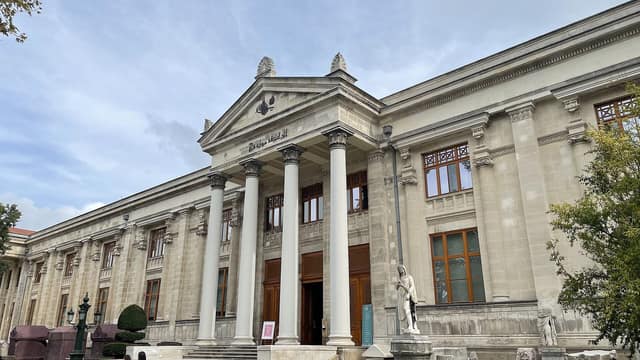
The Door to the Depths of History: Istanbul Archaeology Museums
Day 2 · This museum holds one of the world's important archaeological collections. It is close to Topkapı Palace, so you can do both on the same day.
One of the most important archaeology museums in the world, the Istanbul Archaeology Museum captivates its visitors with its unique collections that illuminate thousands of years of human history. Established in 1891 as the first museum of the Ottoman Empire, this magnificent structure is located in the historic Peninsula, right next to Topkapi Palace and Gülhane Park.
The museum consists of three main sections: Archaeology Museum, Museum of Ancient Orient Antiquities, and the Tiled Pavilion Museum. Countless artifacts from ancient Greek, Roman, Byzantine, Ottoman, and Mesopotamian civilizations showcase some of the most significant periods in human history. Among the most striking pieces are world history-defining artifacts such as the famous Alexander Sarcophagus, the Sarcophagus of the Weeping Women, and the Treaty of Kadesh.
Visitors have the opportunity to closely explore the artistic understanding, daily life, and belief systems of ancient civilizations while wandering through the museum. The elegant Tiled Pavilion, especially from the Ottoman period, attracts the attention of art enthusiasts with its unique tile and ceramic collections. The museum also offers a comprehensive cultural experience for history enthusiasts through educational programs, exhibitions, and events.
For those who wish to closely explore history and archaeology, the Istanbul Archaeology Museum continues to provide every visitor with an unforgettable journey through time with its doors to the past.
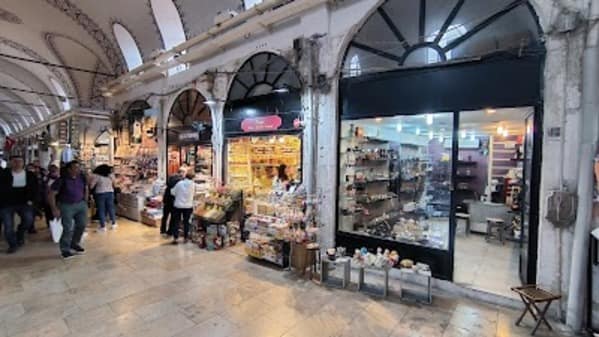
A Journey in the Enchanting World of the Grand Bazaar
Day 2 · Shop and wander through one of the world's oldest covered bazaars and its historic inns. Bargaining is a traditional practice here.
The Grand Bazaar, one of Istanbul's most important historical and cultural structures, has been the center of the city's trade life for centuries. This unique bazaar, built by Fatih Sultan Mehmet in 1461, has continued to operate uninterrupted from the Ottoman Empire to the present day. With thousands of shops, the Grand Bazaar remains one of the most vibrant spots in Istanbul, attracting both local and foreign tourists every day.
With its historical atmosphere, the Grand Bazaar takes its visitors back in time, offering a wide range of products from gold and jewelry to handwoven carpets, and from traditional Ottoman motif-adorned tiles and ceramics to leather goods. While exploring the bazaar, you can closely examine the works produced by master artisans and visit workshops where the arts inherited from the Ottomans are still preserved.
The narrow, labyrinthine streets of the Grand Bazaar allow for new discoveries at every corner. One of the oldest sections of the bazaar, the Inner Bedesten, is a treasure trove for antique lovers. Valuable items from the Ottoman period, old coins, and historical jewelry are displayed here.
When you get tired of shopping, you can sit in one of the historical coffeehouses of the Grand Bazaar and enjoy traditional Turkish coffee. These places, which have been meeting points for merchants, travelers, and artisans for centuries, continue to carry the spirit of the past.
The Grand Bazaar offers a unique experience beyond just a place to shop, allowing you to feel Istanbul's cultural heritage. With its historical atmosphere, colorful shops, and lively structure, visiting this enchanting bazaar is one of the best ways to discover the spirit of Istanbul.
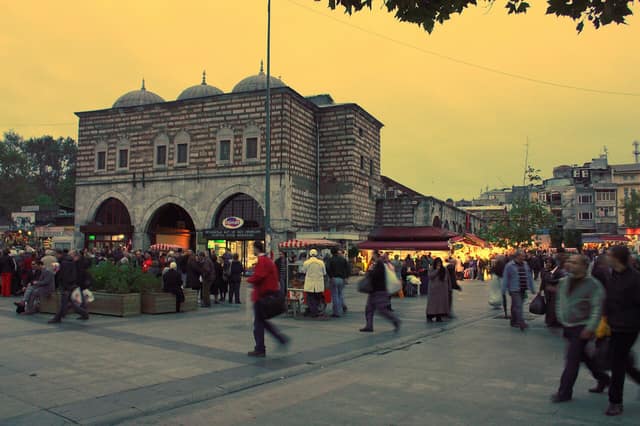
The Spice Bazaar Enchanting with Its Historical Texture and Spice Scents
Day 3 · Stroll through this historic market filled with spice and Turkish delight aromas. It is close to the Golden Horn shore for a walk afterward.
The Spice Bazaar is one of the oldest and most vibrant trade centers in Istanbul, a unique structure that has shaped the city's cultural and commercial life for centuries. Built in the 17th century by the Ottoman Sultan IV. Mehmet's mother, Turhan Sultan, to generate income for the New Mosque Complex, this bazaar takes its name from the spices and valuable products that were sold here, which came from Egypt during the Ottoman period. As one of Istanbul's most important covered bazaars, the Spice Bazaar continues to enchant its visitors with the fragrant scents of spices, colorful stalls, and historical atmosphere.
The bazaar offers a wide range of products, from spices to dried fruits, natural healing herbs to Turkish delight and sweets, and from coffee to exotic souvenirs. This historical structure, which preserves the trading tradition that has continued from the Ottoman era to the present day, has been a meeting point for merchants, tradespeople, and shopping enthusiasts for centuries. With its narrow stone streets, arched passages, and mystical ambiance, the Spice Bazaar provides visitors with a journey through time.
Located in Eminönü, one of Istanbul's most bustling areas, the Spice Bazaar is a popular destination for both local and foreign tourists. While wandering through the bazaar, you can feel the spirit of trade from the Ottoman period, taste traditional Turkish flavors, and enjoy a delightful shopping experience intertwined with history. Today, the Spice Bazaar still maintains its significance as one of Istanbul's most popular bazaars, continuing to offer a unique atmosphere where history, culture, and shopping intertwine.
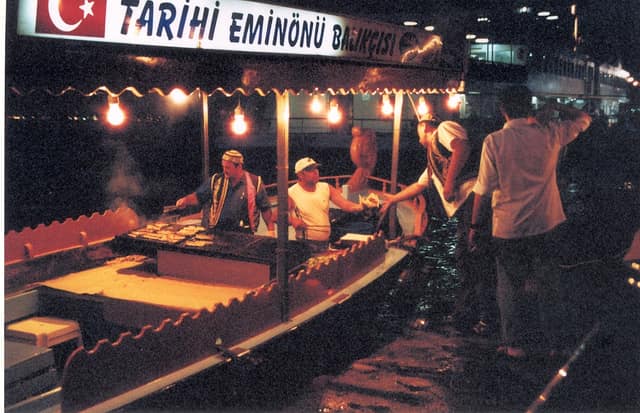
Eminönü Fish Sandwich Boats
Day 3 · Enjoy a quick bite of fish sandwich at the boats under Galata Bridge. It is a fast and affordable meal option.
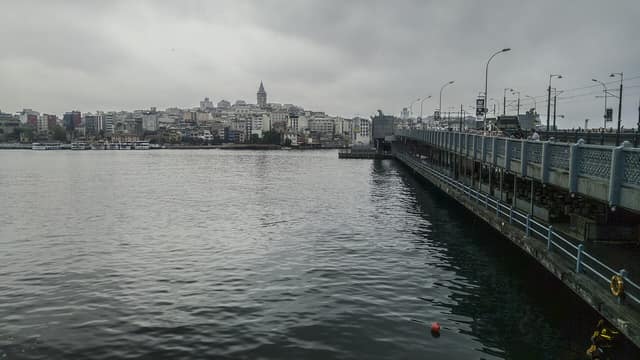
The Legendary Structure Adorning Istanbul's Silhouette: Galata Tower
Day 3 · Climb the iconic Galata Tower for views of the Bosphorus and the historic peninsula. Expect queues at busy times.
The Galata Tower is one of the most magnificent structures in Istanbul, adding grandeur to the city's silhouette and standing the test of time for centuries. Built by the Genoese in the 14th century, this stone tower was one of the tallest buildings of its time and served as both a defense point and a watchtower for many years. After the conquest of Istanbul, the tower was incorporated into Ottoman territory and has been used for various purposes over time, including as a fire observation point, a dungeon, and a storage facility. With a height of 67 meters and a diameter of approximately 9 meters, the tower today offers visitors one of the most impressive panoramic views of Istanbul.
The Galata Tower has also been the subject of many legends throughout history. One of the most well-known stories is that of the 17th-century Ottoman scholar Hezarfen Ahmet Çelebi, who is said to have flown from here to Üsküdar using wings he made himself. This brave and inspiring attempt is considered an important event symbolizing the scientific curiosity and technological advancement of the Ottoman period. Today, the tower, which is open to visitors as a museum, rewards those who reach the top via its narrow stone stairs with the enchanting view of Istanbul.
When you reach the top of the tower, the winding shores of the Golden Horn, the blues of the Bosphorus, the dazzling silhouette of the Historic Peninsula, and the modern fabric of the city come together to reveal a magnificent contrast between the past and the present. When illuminated at night, the tower takes on a different grandeur, making it one of the most special places that completes Istanbul's romantic atmosphere. With its historical texture, mystical ambiance, and unique view, the Galata Tower is an unforgettable structure that everyone wishing to explore Istanbul must visit.
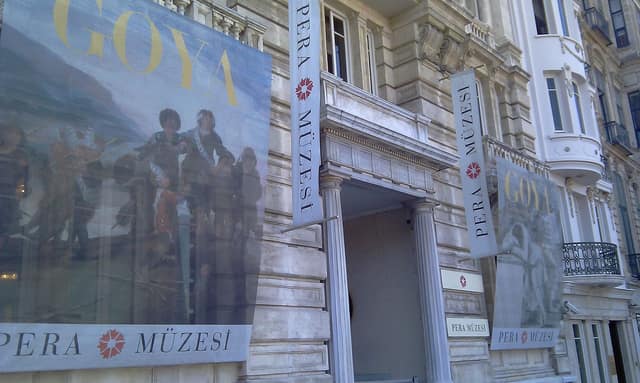
The Cultural Heritage of Istanbul and the Meeting Point of Contemporary Art: Pera Museum
Day 4 · This Pera museum displays Kütahya tiles and Anatolian artworks. It is a good stop for art lovers.
Pera Museum, as one of Istanbul's most important cultural and art centers, is located at the intersection of history and contemporary art. Established in 2005 by the Suna and İnan Kıraç Foundation, the museum offers art lovers a rich collection and various exhibitions within the historical fabric of Beyoğlu.
The museum brings together a wide range of artworks through its permanent collections and temporary exhibitions. One of its most significant collections, the Orientalist Painting Collection, showcases how Western artists interpreted the Ottoman world between the 17th and 19th centuries. One of the most striking works in this collection is Osman Hamdi Bey's famous painting "The Tortoise Trainer".
In addition, important works documenting historical heritage, such as the Anatolian Weights and Measures Collection and the Kütahya Tiles and Ceramics Collection, are also exhibited within the museum. These collections, shedding light on different periods of the Ottoman and Anatolian history, offer a unique historical journey for art enthusiasts.
Pera Museum places great importance not only on the past but also on contemporary art. Through its temporary exhibitions, it provides a broad platform for contemporary artists, showcasing how art has developed and evolved across different disciplines. With exhibitions featuring important names from the international art world, the museum continues to be one of the venues shaping Istanbul's contemporary art scene.
The museum's event program offers a rich content for those who wish to explore different aspects of art, including art talks, film screenings, workshops, and educational programs. Additionally, the bookstore and café within the museum provide visitors with a pleasant break after a day filled with art.
Pera Museum is an unmissable stop for anyone looking to explore the history and art of Istanbul. This special venue, which brings together both classical and contemporary artworks, continues to offer an inspiring experience to art lovers.
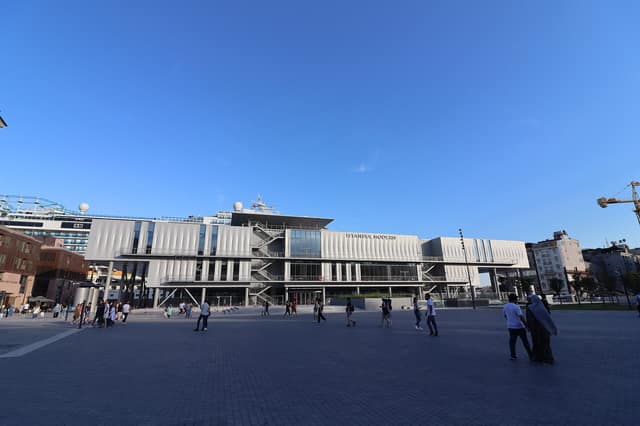
Istanbul Modern
Day 4 · Browse contemporary works at Turkey's first modern art museum. Exhibitions change, so check current information.
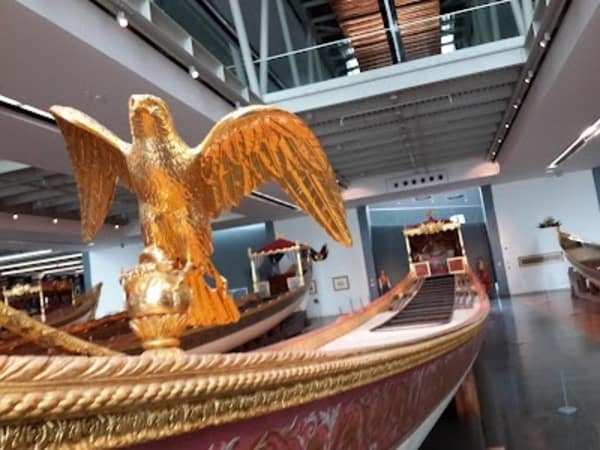
The Door to Maritime History: Istanbul Naval Museum
Day 5 · This Beşiktaş museum covers Ottoman naval history with ship models. It is ideal for those interested in the sea.
The Istanbul Naval Museum, the largest and most comprehensive maritime museum in Turkey, offers a unique exploration area for those interested in maritime history. Located in Beşiktaş, by the Bosphorus, this impressive museum draws attention with its rich collection that showcases the maritime heritage from the Ottoman period to the present day.
Founded in 1897 and one of the oldest military museums in Turkey, the Istanbul Naval Museum houses historical galleys, royal boats, flags, maps, ship models, and many important artifacts related to maritime activities. Among the museum's most striking artifacts are the magnificent royal boats used by Ottoman sultans in the Bosphorus. These handcrafted boats present the finest examples of maritime art and craftsmanship from the Ottoman period.
The museum is not limited to Ottoman and Turkish maritime history; it also displays important documents, ship figures, and items related to warships from world maritime history. With a wide range of exhibits from naval battles to seafaring traditions, the Istanbul Naval Museum also attracts attention with its interactive sections that provide an educational environment, especially for children and young people.
For those who want to closely explore maritime history and better understand the maritime culture spanning from the Ottoman period to the present, the Istanbul Naval Museum continues to offer an unforgettable cultural experience by the Bosphorus.
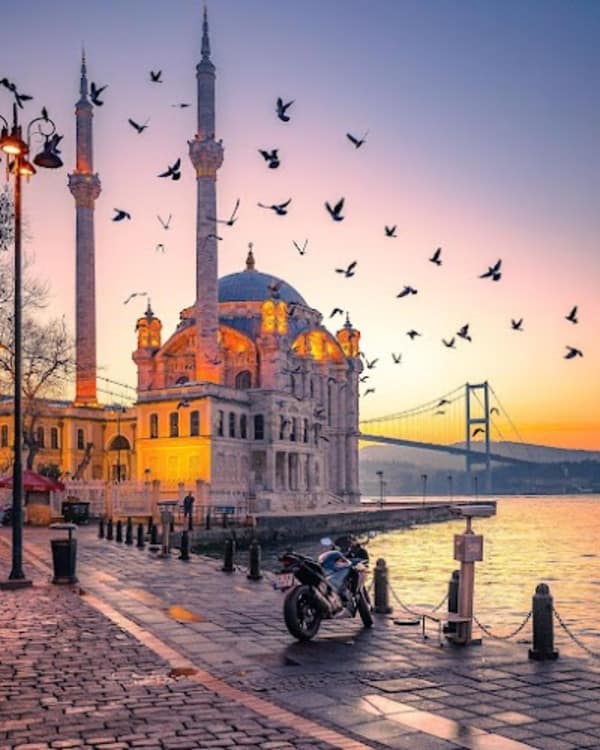
The Most Vibrant Spot of the Bosphorus: Ortaköy
Day 5 · Walk along the shore at Ortaköy and see the famous mosque under the Bosphorus Bridge. Evening lights create a lovely atmosphere.
One of the most iconic neighborhoods of Istanbul, Ortaköy, continues to be a focal point with its unique view, historical texture, and vibrant atmosphere by the Bosphorus. This neighborhood, lively at all hours of the day, has become a popular spot for both local and foreign visitors with its historical buildings and street delicacies.
The Büyük Mecidiye Mosque, which has become the symbol of Ortaköy, rises majestically against the Bosphorus as one of the most elegant structures of the Ottoman period. The coastline stretching right next to the mosque offers a magnificent view at sunset, while sitting by the sea to drink tea or watch seagulls becomes an indispensable pleasure for those spending time here.
In addition to its historical texture, Ortaköy is also known for its famous kumpir vendors, waffle shops, and street artists. Especially being one of the most popular spots in Istanbul to eat kumpir, this neighborhood offers a combination of taste and enjoyment. The cafes, boutique shops, and handmade stalls lined along the coast make exploring here even more enjoyable.
In the heart of Istanbul, for those who want to breathe in the Bosphorus air and feel the energy of a colorful neighborhood, Ortaköy continues to be one of the must-visit places with its unique atmosphere.
Comments
Loading...