

Religious & Spiritual PlacesReligious Complexes
Zağnos Paşa Camii ve Külliyesi
No ratings yet
Sign in to like and rate
Zağnos Pasha Mosque and Complex
About Venue
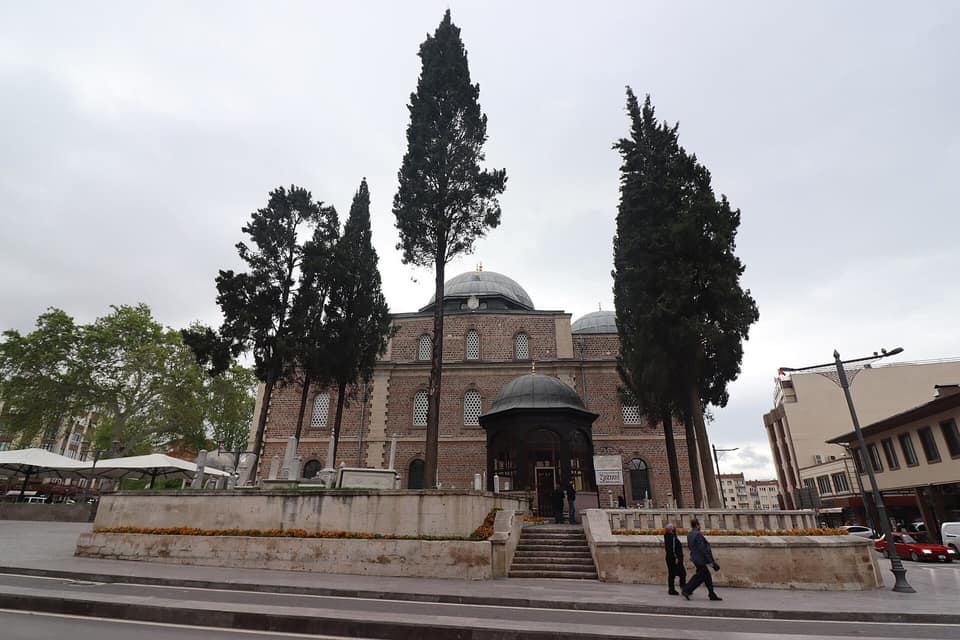
The Zağnos Paşa Mosque and Complex stands in the heart of Balıkesir, inside the bazaar district, and dates back to the 15th century. According to the Balıkesir Provincial Directorate of Culture and Tourism, the complex lies in the Mustafa Fakıh neighbourhood and is also known locally as the Paşa Mosque. It was commissioned by Zağnos Paşa, one of the viziers and commanders of the era of Sultan Mehmed the Conqueror. Sources give the construction date as 1460-1461 or 1461, while the inscription above the door yields 1464 by the ebced numerical system, so it is safest to date the building to the 1460s. The complex has a deed of endowment dated February 1462 and today consists of the mosque, a bath and a timekeeper's room, although a soup kitchen, a covered bazaar and a market once belonged to it as well. The covered bazaar and market of ninety-two shops, thought to have stood between the mosque and the bath, were damaged in 1643 by a fire that broke out in the Paşa Bath and later disappeared entirely. The Vakıf Han now rises on the site of the former soup kitchen. The original mosque was badly damaged in the earthquake of 1897, and the present mosque was rebuilt on the old foundations in the early 20th century on the initiative of the district governor Ömer Ali Bey. Sources give the date of the rebuilding as 1904 and 1908 respectively, and it is reported that Greek and Armenian craftsmen worked on the structure. The mosque has a nearly square plan and is built of finely cut stone and brick, and it is regarded as the largest mosque in Balıkesir. A central dome carried on four piers is surrounded by four corner domes with semicircular vaults between them. From the outside, the façades are animated by mouldings and toothed cut-stone pilasters, and three rows of round-arched windows light the interior. The upper windows hold coloured glass in plaster frames, so look for the coloured light falling on the walls once you step inside. The mosque has no covered porch; in front of the double-winged wooden doors on the north, east and west sides stand canopies with wooden ceilings on marble columns. The eastern canopy is stepped because of the slope of the land, and its columns differ from the others in being fluted and of Ionic style. Inside, notice the floral painted decoration, the latticed gallery carried on six wooden columns and the marble mihrab with Baroque influences. The marble pulpit is among the elements surviving from the first building and stands out for its dense floral ornament in a classical style. The Baroque cut-stone minaret at the north-western corner is said by the sources to have been built by Hacı Hafız Efendi of the Arabacıoğulları family. The pentagonal timekeeper's room beside the base of the minaret also deserves a look for its Baroque windows and the door with twisted colonnettes. There are two ablution fountains in the courtyard; the water of the twelve-sided marble one comes from the Paşa Bath, and the courtyard also holds a sundial. The bath is a double bath built of rubble stone and brick, and the men's section stands out for its projecting portal. The bath is the only building of the complex to survive in its original form. When visiting, take off your shoes at the entrance, prefer clothing that covers the shoulders and knees, keep quiet during prayer times and avoid photographing people at prayer. Opening hours and prayer times can change, so check current information from local sources; since the building sits within the bazaar fabric, exploring its surroundings on foot is the easiest way.
Comments
Loading...
Location - Zağnos Paşa Camii ve Külliyesi
Venue Info
AddressMustafa Fakıh Mahallesi, Karesi / Balıkesir
VenueKaresi, Balıkesir
TypeReligious & Spiritual Places