

Historical & Cultural SitesMuseums
Tokat Müzesi (Arastalı Bedesten)
6
No ratings yet
Sign in to like and rate
Tokat Museum (Arastalı Bazaar)
About Venue
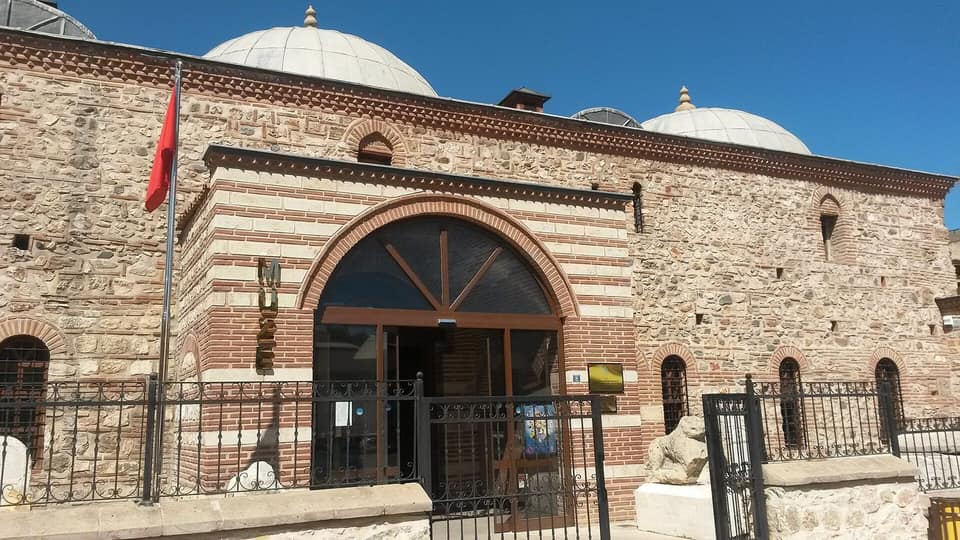
Tokat Museum is a museum of the Ministry of Culture and Tourism housed in the Ottoman-era Arastalı Bedesten on Sulusokak, the city's old trade axis. According to the Culture Portal, the museum began its work in 1926 in the Gökmedrese, a medical madrasa of the Anatolian Seljuk period. As the number of objects grew over the years, the storerooms became insufficient and the old building also came to need repair. For these reasons the museum moved to the Arastalı Bedesten on 3 March 2012, and its new exhibition opened on 18 September 2012.
It is not known when or by whom the bedesten was built. Its remains and historical sources suggest that it was built in the 15th or 16th century; the TDV Encyclopedia of Islam also dates the building to the 16th century and describes it as the heart of the commercial fabric of Sulusokak. A bedesten is the name given to a covered and protected market where valuable goods such as fine fabrics and jewellery were sold. The Culture Portal points out that in their own time these buildings also served the purpose of today's banks and stock exchanges.
The building is of cut stone, and its facade is enlivened by being divided into sections with bands of brick. The plan is a near-square rectangle running north to south. On the north and south sides there is a round-arched gate set within an outward projection. The interior is divided into sections by piers arranged in three rows, and it is covered by nine round domes. On each side of the bedesten runs a long, narrow rectangular arasta; TDV writes that these arasta units have both their own doors onto the street and facing doors that connect them to the bedesten. The encyclopedia's article on bedestens stresses that, together with its narrower side sections, this building forms a variation between the nine-domed plan and the fifteen-domed plan.
The archaeological objects are displayed in the main part of the building known as the bedesten. The chronology begins with the finds from Turhal Ulutepe, excavated by the museum directorate in 1976, which take the history of Tokat back to the Late Chalcolithic period. The largest part of the exhibition consists of finds from Maşat Höyük within the borders of Zile. This mound was excavated between 1973 and 1984 by Prof. Dr. Tahsin Özgüç and revealed the remains of a Hittite palace where administrative and military affairs were handled. GoTürkiye notes that the Hittite tablets and objects found at the mound are exhibited in this museum. If you plan to visit the mound, seeing this hall first makes the foundation remains on site far more meaningful.
In the Roman period showcase, the bronze sculpture group found in the village of Ağılcık in Zile is presented among the museum's unique works. The same section contains jewellery and ornaments, urns showing burial customs, terracotta jugs, oil lamps and glass objects. The coin showcase brings the ancient cities of the province together on a single counter. Here you see Hellenistic coins of Zela (Zile), Komana Pontika (Tokat) and Kabeira (Niksar), and Roman, Byzantine and Islamic period coins struck at Sebastopolis (Sulusaray), Neokaisareia (Niksar) and Zela. Before visiting cities such as Komana Pontika and Sebastopolis, seeing their names on these coins helps you build the ancient map of the province in your mind.
The arasta section on the west side of the building is arranged as the Ethnography Hall. Here copperwork, yazma printing, weaving, carpets and kilims, clothing, women's and men's jewellery, lighting tools, door knockers, weapons, powder flasks, and bath and kitchen utensils are displayed. The yazma and copper showcases are a good chance to see up close two crafts for which Tokat was famous for centuries. TDV writes that from the middle of the 18th century Ergani copper was brought to Tokat for refining and that the city became the country's largest centre of copper processing. In the garden in front of the museum, Roman period stone works are displayed on the right and East Roman and Islamic period gravestones on the left.
The museum is on a single floor and easy to visit; starting with the stone works in the garden, moving to the bedesten hall and then to the ethnography section in the arasta makes a natural order. To see the row of domes of the bedesten, stand in the middle of the hall and look up between the piers. The Culture Portal notes that the museum is in the city centre, within walking distance of Cumhuriyet Square. Since opening hours and visiting conditions may change, check the Ministry's current information before you go. On leaving, you can walk along the same street to see the rest of Sulusokak with the Takyeciler Mosque, the Deveciler Inn and the old residential fabric.
Comments
Loading...
Location - Tokat Müzesi (Arastalı Bedesten)
Venue Info
AddressSulusokak No: 155, Tokat Merkez
VenueTokat Merkez, Tokat
TypeHistorical & Cultural Sites