

Historical & Cultural SitesMuseums
Tekirdağ Arkeoloji ve Etnografya Müzesi
10
No ratings yet
Sign in to like and rate
Tekirdağ Archaeology and Ethnography Museum
Ertuğrul Mahallesi, Rakoczi Caddesi No:1, Süleymanpaşa / Tekirdağ
Süleymanpaşa, Tekirdağ
Get DirectionsApple MapsAbout Venue
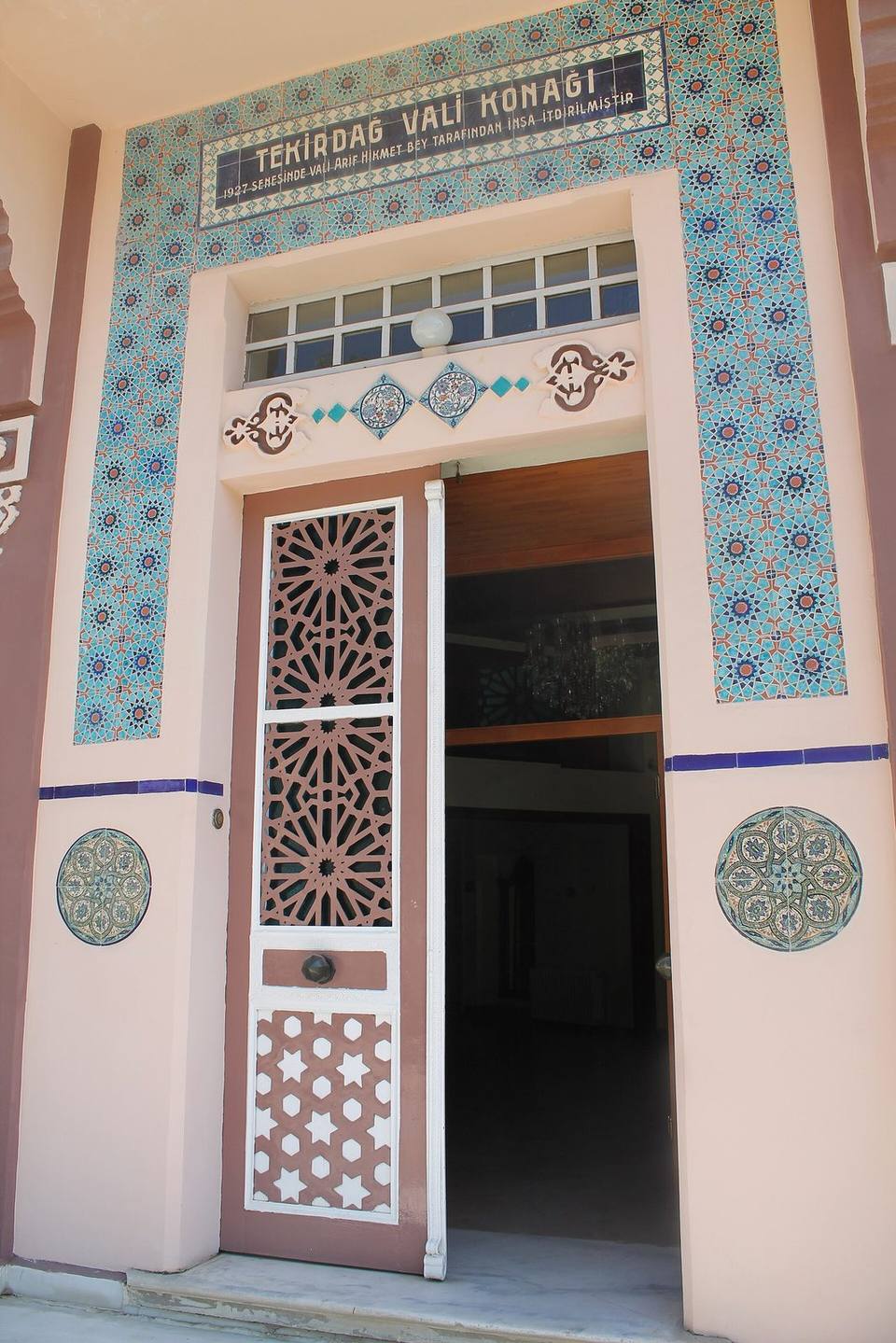
The Tekirdağ Museum of Archaeology and Ethnography, known simply as the Tekirdağ Museum, occupies a tiled building in Ertuğrul Mahallesi, in the old fabric of Süleymanpaşa close to the shore. For anyone who wants to see thousands of years of the Thracian coast under one roof, this is the first stop in town. According to the Kültür Portalı, the building was designed by the architect Kazım Tahsin in 1927 and served as the Governor's Mansion until 1976.
The museum as an institution is older than its building. According to the presentation of the General Directorate of Museums, the museum opened in 1967 in the building that today houses the Directorate of Physical Education, and for a long time it worked with a small exhibition hall. In 1976 the Governor's Mansion was assigned by the Governorship to the Ministry of Culture for use as a museum. The Tekirdağ Museum opened to visitors in its present building on 28 December 1992.
The site of the building also tells the story of the city's geography. According to the Tekirdağ entry of the TDV Encyclopedia of Islam, the city was built on coastal terraces that mark former levels of the Sea of Marmara. The former governor's mansion stands on the lowest of these steps, the terrace closest to the sea, at a height of about 12 metres. That is why you can feel the ground sloping down from the museum garden towards the coastal avenue.
The Kültür Portalı describes the building as a masonry structure of two storeys above ground. The entrance on the north side is faced with blue and white İznik tiles, and the building's inscription sits above the door. Over the entrance is a balcony carried by two masonry brackets, with a railing decorated with circle and star motifs. The upper floor windows have barrel arches and are crowned with İznik ceramics. The ground floor windows are rectangular, and reliefs can be seen below the sills. There are two more masonry balconies on the west and south facades, and the hipped roof is covered with tiles. This tile-decorated mansion type of the early Republican years deserves a careful look from outside as much as the objects inside do.
The collection is large. According to the Kültür Portalı, the museum holds a total of 23,901 registered objects, of which 4,863 are archaeological pieces, 17,129 are coins and 1,909 are ethnographic items. The Provincial Directorate of Culture and Tourism writes that the halls display cultural assets ranging from finds of around 4500 BC to the present day.
The Hall of Stone Works is filled with stelae, votive stelae, statues and statuettes from the ancient settlements of the province. The General Directorate of Museums notes that these pieces come from sites such as Perinthos (Marmaraereğlisi), Heraion (Karaevlialtı), Bisanthe (Barbaros) and Apri (Kermeyan). The finds from the chamber of the Naip Tumulus are also displayed in the same hall. If you plan to visit Perinthos or Barbaros along the coast, seeing this hall first makes those places much easier to understand.
The Hall of Small Archaeological Finds spans the period from prehistory to the Byzantine era. A terracotta mother goddess vessel, everyday pots, kraters and amphorae are the main pieces of this hall. Metal statuettes, spear and arrow heads, fibulae, glass and stone jewellery, perfume bottles and coins complete the showcases.
The Ethnography Hall is devoted to daily life in the Ottoman and more recent periods. Here you see glazed terracotta vessels, firearms and edged weapons, silver jewellery, local men's and women's clothing, bath sets and embroidery. Karacakılavuz weavings and an old Tekirdağ bedroom are also displayed in this section. A separate Tekirdağ Room recreates a house of the 19th and early 20th centuries with its interior arrangement.
The calmest part of the museum is the open-air display. In the wide garden with its five terraces, architectural pieces, sarcophagi, gravestones, inscriptions, columns, milestones and reliefs from the Hellenistic, Roman, Byzantine and Ottoman periods are laid out. Around the seating areas, the Ottoman-period Tekirdağ square fountain and a sebil, a public water kiosk, are also on display. A tea garden where visitors can sit has been arranged in the garden, and a break here feels good after a long walk through the halls.
It makes sense to begin in the garden, because the terraces show both the layout of the building and its position facing the sea. Then a route that starts with the stone works, moves to the small finds and ends in the ethnography section lets you follow a story of thousands of years in chronological order. For a photograph of the tiled entrance, choose the hours when the sun falls on the facade.
The General Directorate of Museums and the Provincial Directorate of Culture and Tourism state that the museum is closed on Mondays. For opening hours and admission conditions, check the current information on the museum's official page. According to the Kültür Portalı, the museum is behind the Tekirdağ Officers' Club and can easily be reached on foot from the city centre. The Rakoczi Museum lies a few hundred metres to the west, while the Rüstem Paşa Bedesteni and the seafront are a few hundred metres to the east, so all three can be seen on the same walk.
Comments
Loading...
Location - Tekirdağ Arkeoloji ve Etnografya Müzesi
Venue Info
AddressErtuğrul Mahallesi, Rakoczi Caddesi No:1, Süleymanpaşa / Tekirdağ
VenueSüleymanpaşa, Tekirdağ
TypeHistorical & Cultural Sites