

Natural BeautiesLakes & Waterfalls
Tarsus Şelalesi
11
No ratings yet
Sign in to like and rate
Tarsus Waterfall
About Venue
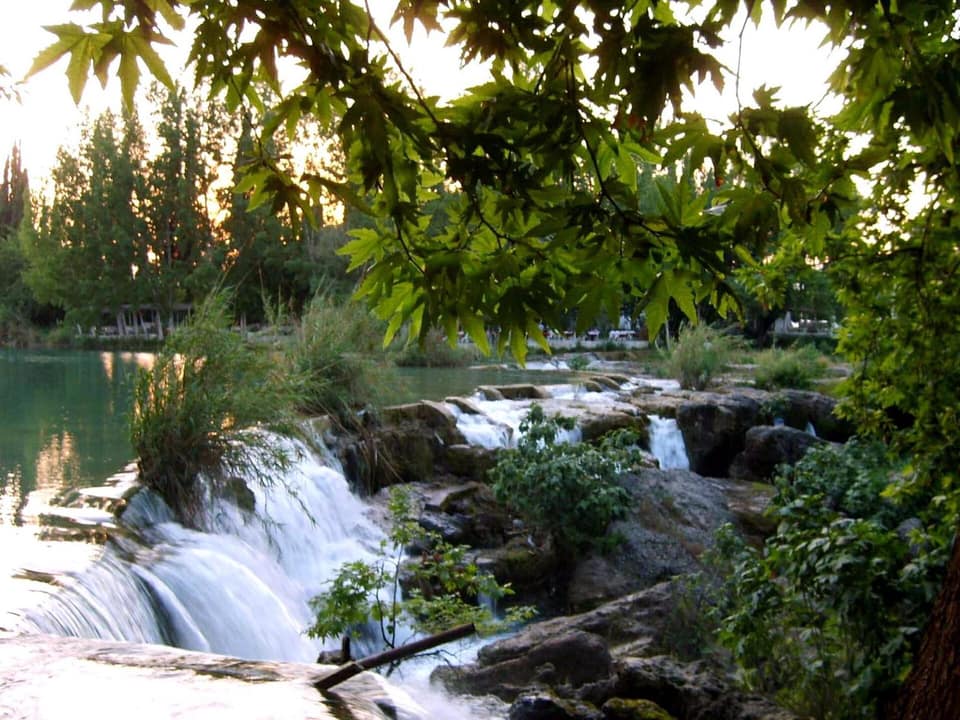
Tarsus Waterfall is a waterfall on the Berdan River in the Tarsus district of Mersin, in the Çağlayan neighbourhood in the northern part of the town. According to the Culture Portal, its formation owes more to an engineering intervention than to a natural event. In the reign of the Byzantine emperor Justinian, that is between AD 527 and 565, the course of the river was changed to protect the city from floods. As a result of this work, a wide and high waterfall formed in the area of the necropolis. So the rocks over which the water now falls are a burial ground that was in use until the end of the Roman period.
The waterfall pours over conglomerate rocks. Conglomerate is a rock in which pebbles are bound together by a natural cement, and it is not very resistant to water. The portal writes that the chamber tombs of the necropolis, with stepped or ramped entrances, were largely destroyed because the weak conglomerate into which they were cut could not withstand the strong currents. So the hollows you see in the rocks around the waterfall are not only shapes worn by the water. Some of them are the remains of tombs carved centuries ago that gave way to the current.
The flow of the waterfall changes with the seasons. According to the portal, the water reaches its greatest volume especially in winter and spring, when the snow melts. For this reason spring is the best season for those who want to see the water at its fullest. By the end of summer the flow can drop noticeably and the waterfall takes on a calmer look.
The Berdan River that feeds the waterfall was known in antiquity as the Kydnos. The portal states that the river is formed by streams rising on the south-eastern slopes of the Central Taurus, in the Bolkar Mountains. The most important of the streams that make up the river, whose total length is about 142 kilometres, are the Can, Pamuklu and Kusun streams. Unlike the Seyhan and Ceyhan rivers, the Berdan travels only a short distance across Çukurova before flowing into the Mediterranean. With the alluvium it carries it played an important role in forming the Çukurova Delta, and it was also decisive in the choice of the site where Tarsus was founded.
The river's present name comes from Arabic. According to the portal, the Arabs gave the Kydnos the name El-Baradan, meaning cold water, and this name has come down to us as Berdan. Some historical sources tell that Alexander the Great fell seriously ill after bathing in the Kydnos, attributing this to the coldness of the river. This is passed on as a story, and the sources present it not as a certain event but as a tradition linked to the coldness of the river.
Today the waterfall and its surroundings are used as a picnic and recreation area. Start your visit at the viewpoints facing the waterfall and watch how the water falls over the rocky steps. Then walk along the path around it and look for the hollows in the conglomerate rocks and the traces of worn tombs. The morning hours are both cooler and better for photographs because of the light on the water. The rocks can be wet and slippery, so be careful near the water and keep a close eye on children.
The portal states that the waterfall can be reached by city public transport. It is possible to see Cleopatra's Gate in the town centre and the waterfall in the same half day. The Justinian Bridge over the Berdan at the entrance to Tarsus bears the name of the same emperor and, according to the portal, was built to protect the city from floods. The portal writes that only three of the bridge's twenty-one arches can be seen today. Because a toll was collected for crossing in that period, it was also given the name Baç Bridge. Seeing this bridge together with the waterfall helps you understand the measures taken against the river in Justinian's time.
Comments
Loading...
Location - Tarsus Şelalesi
Venue Info
AddressÇağlayan Mahallesi, Şelale Bulvarı, Tarsus / Mersin
VenueTarsus, Mersin
TypeNatural Beauties