

Historical & Cultural SitesArchaeological Sites
Soli Pompeiopolis Antik Kenti
9
No ratings yet
Sign in to like and rate
Soli Pompeiopolis Ancient City
Viranşehir Mahallesi, Viranşehir Caddesi 34301 Sokak, Mezitli / Mersin
Mezitli, Mersin
Get DirectionsApple MapsAbout Venue
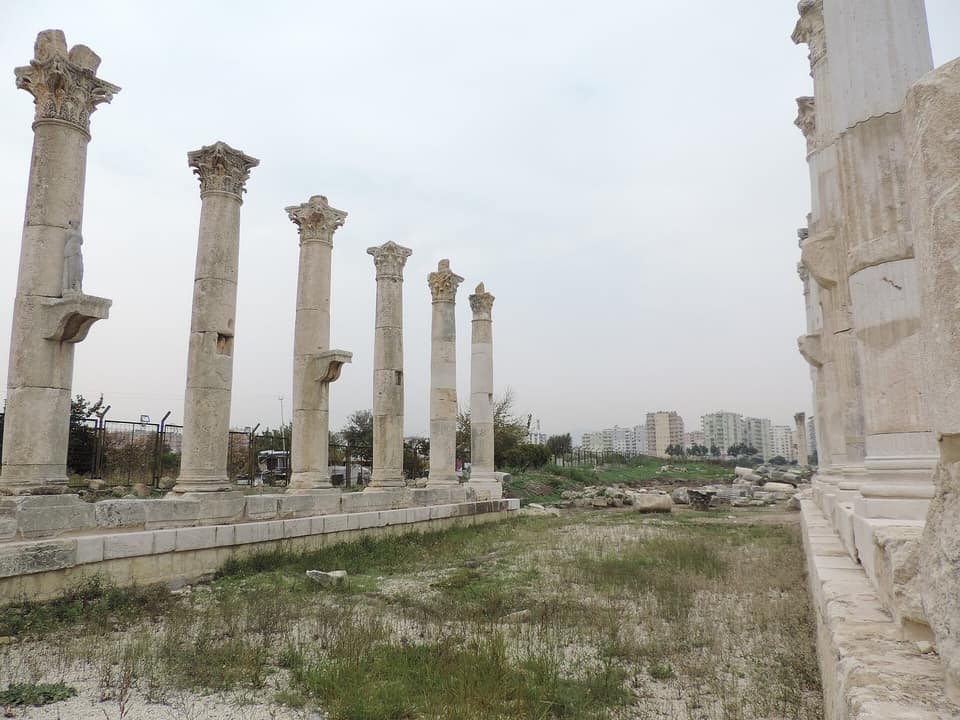
Soli Pompeiopolis is an ancient harbour city lying close to the sea in the Viranşehir neighbourhood of Mezitli district, Mersin. Today residential areas have filled its surroundings, and the site stands as an open archaeological area among apartment blocks. The Culture Portal notes that very little is known about the city's early history. The Mezitli District Governorate reports that seals and weapons with Luwian inscriptions, said to come from Soli and now kept in museums in Berlin, date to the Middle Bronze Age. According to the governorate, the city is accepted to have been founded in the 8th-7th century BC. Among ancient authors, Strabo names its founders as Achaeans and Lindians from Rhodes, while Pomponius Mela speaks of colonists from Argos and Rhodes.
Persian rule, which began in the middle of the 6th century BC and lasted until Alexander the Great, also included Soli. Even so, the fact that the city struck its own coins in the 5th century BC shows that it kept a degree of autonomy. In the Hellenistic period, under Seleucid rule, the harbour city enjoyed a brilliant era. When Seleucid power weakened in the 1st century BC, hard times began for Soli, and King Tigranes of Armenia had the city plundered and forced its people to leave. To end the turmoil in the region, the Roman commander Pompey settled part of the mountain pirates in the depopulated Soli through the arrangements he made in 67 BC. After this event the city, known as Soloi in Greek and Soli in Latin, was renamed Pompeiopolis, meaning the city of Pompey.
Under Roman rule the city revived once again. Emperor Hadrian came to the province of Cilicia during his tour of Anatolia in AD 130 and gave financial support to the harbour works at Soli. The city was damaged by a major earthquake in 525 and faced Arab raids in the 7th century. The portal notes that European travellers who came here in the 19th century wrote of a theatre, a temple, a bath and a necropolis, but that these have not survived.
The symbol of the site is the colonnaded street. According to the portal, a total of 33 columns stand on the street today, 4 belonging to the western row and 29 to the eastern row. Some of the Corinthian capitals are figured. Inscriptions on some of the columns show that the brackets facing the street carried busts of Roman emperors or senior officials. The Mezitli District Governorate adds that the marble statues beginning to emerge in recent excavations are important finds confirming this. According to a news item shared by Istanbul Bilgi University, excavations led by Prof. Remzi Yağcı of Dokuz Eylül University showed that the city was a very busy harbour in the 1st century BC and the 1st century AD, and the work in 2013 brought the colonnaded street and Roman shops to light.
Soli Höyük, the mound near the street, preserves the city's oldest layers. The mound is about 22 metres high and 300 metres in diameter. Surface surveys on the hill found pottery fragments dating from the Early Iron Age to the Roman period. According to the governorate, excavations also produced numerous amphora sherds, oil lamps and loom weights alongside architectural finds.
Another treasure of the city is its ancient harbour. The harbour consists of two breakwaters set 200 metres apart, and the western one is better preserved. The preserved length of the western breakwater is about 160 metres and its width is 23 metres. Traces showing that large limestone blocks were fastened together with iron clamps can still be seen. The portal describes Soli Pompeiopolis as one of the rare sites where the remains of an ancient harbour are visible to the eye.
Begin your visit at the colonnaded street and walk along the row of columns to look closely at the brackets and figured capitals. Morning and late afternoon light brings out the details of the Corinthian capitals more clearly. Then move towards the mound and the breakwater remains on the shore to see how the city related to the sea. A large part of the excavation finds is in Mersin Archaeological Museum, and visiting both places on the same day gives a complete picture. The portal states that the site can be reached by city public transport. Visiting conditions and areas closed for excavation may change, so check the current information from official sources.
Comments
Loading...
Location - Soli Pompeiopolis Antik Kenti
Venue Info
AddressViranşehir Mahallesi, Viranşehir Caddesi 34301 Sokak, Mezitli / Mersin
VenueMezitli, Mersin
TypeHistorical & Cultural Sites