

Historical & Cultural SitesHistorical Sites
Silifke Taş Köprü (Roma Köprüsü)
No ratings yet
Sign in to like and rate
Silifke Stone Bridge (Roman Bridge)
About Venue
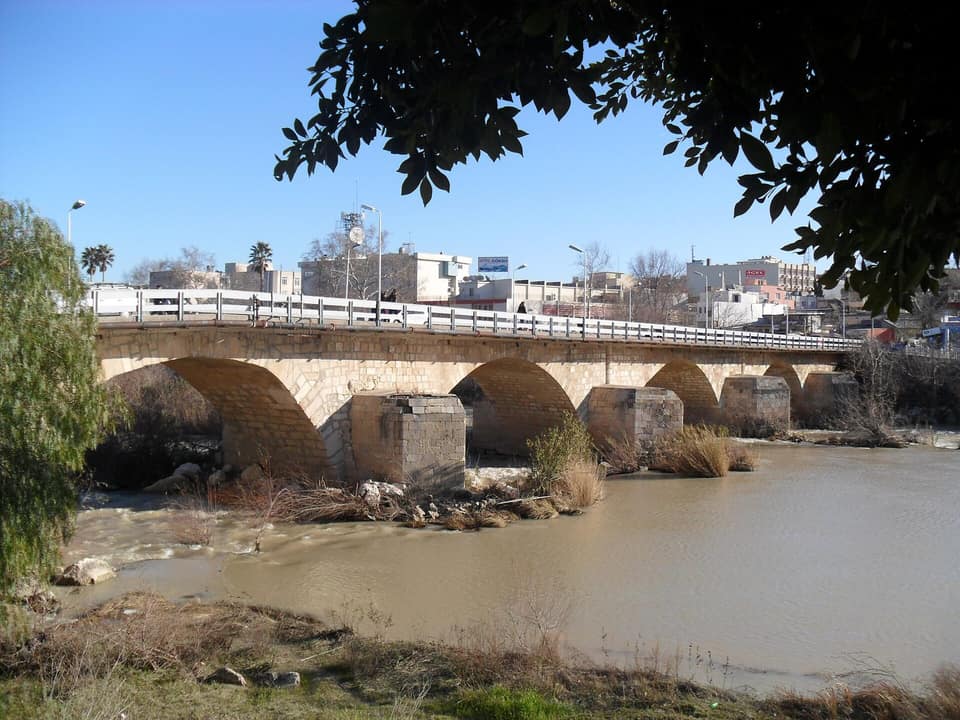
The Stone Bridge, also known as the Roman Bridge, stands over the Göksu River in the centre of the Silifke district. The Göksu, known as the Calycadnus in antiquity, flows right through the middle of the town centre, and the bridge links the two banks of the river. The bridge was built in AD 77-78 by L. Octavius Memor, governor of Cilicia, in the name of the Roman Emperor Vespasian and his sons Titus and Domitian. This is known from a stone inscription found during a repair carried out in the 19th century.
The bridge kept its original form until the end of the 19th century. Over the centuries it was repaired and altered many times. Rising on Roman foundations, the bridge lost two of its arches during wars and was restored to use in the Ottoman period. The largest known repair was carried out in 1875 by Mehmet Ali Pasha, the district governor of Silifke. In 1972 widening work was carried out on the bridge. The seven-arched bridge was restored in keeping with its original form in 2023.
There are two more bridges over the Göksu built of concrete in the Republican period, and they lie to the south of the stone bridge. From the bridge one can see Silifke Castle rising on the hill to the west of the town. To see the row of arches in full, it is necessary to look at the bridge from the riverbank.
As the bridge is in the town centre, it is easily reached on foot or by city public transport. It can be included in a short town walk together with the Tekir Cistern at the foot of the castle and the Silifke Museum. As the bridge still carries a street in use today, care should be taken with the traffic when taking photographs.
Comments
Loading...
Location - Silifke Taş Köprü (Roma Köprüsü)
Venue Info
Addressİlhan Akgün Caddesi, Göksu Nehri Üzeri, Silifke / Mersin
VenueSilifke, Mersin
TypeHistorical & Cultural Sites