

Historical & Cultural SitesMuseums
Silifke Müzesi
5
No ratings yet
Sign in to like and rate
Silifke Museum
About Venue
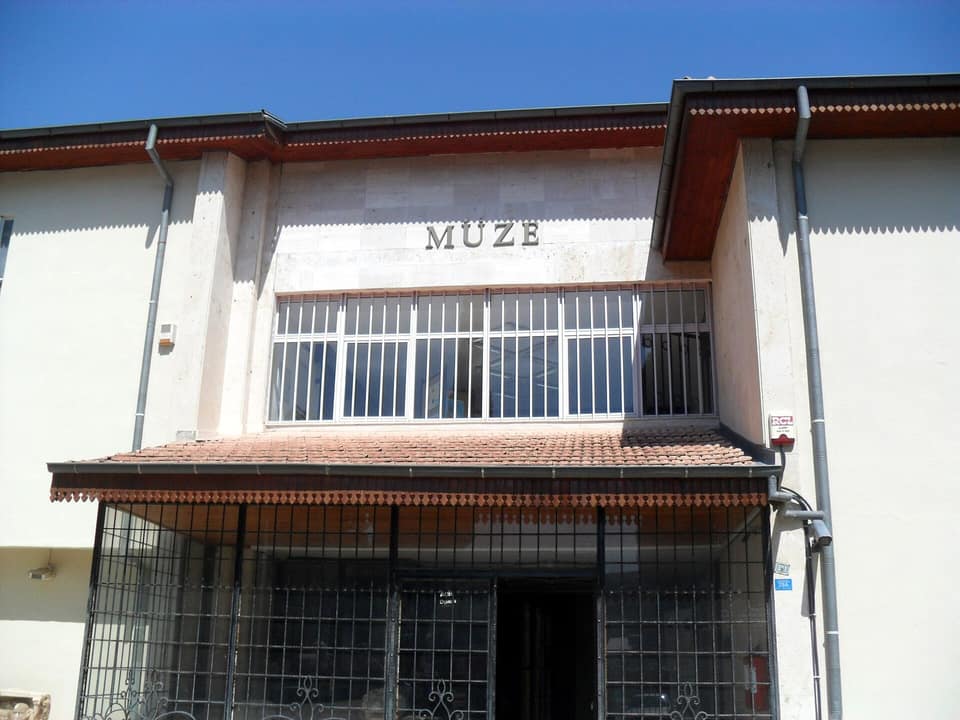
Silifke Museum is the district museum that brings together archaeological and ethnographic works from Silifke and its surroundings. Museum work in the district began in 1939-1940, when ancient objects found in the surroundings were collected at the Cumhuriyet Primary School. In 1958 part of the school was used as a storage museum, and the present museum building opened in 1973. In the halls and garden of the two-storey building, works from excavations and finds in the area are arranged by period.
The Stone Works Hall displays caryatids, seated statues, amphorae and reliquaries from the Archaic, Roman and Byzantine periods. The most striking piece in the hall is the headless statue of an emperor in armour, dated to the 2nd century AD. The armour of the statue, which is about two metres tall, is worked with great care, with a Medusa head on the chest, two facing griffins below it and an eagle with spread wings at the level of the navel. The flaps on the lower edge of the armour carry lion and ram reliefs and plant motifs.
In the Coins and Jewellery Hall, gold and silver ornaments, coins of Alexander, silver coins of the kings of Macedonia, Thrace, Pergamon and Egypt, and Roman, Byzantine and Ottoman coins are shown together. The Hellenistic Meydancıkkale hoard, the Roman Ayva Gediği hoard and the Susanoğlu hoard from the reign of Justinian I are the highlights of this hall. The Archaeological Works Hall displays Hittite hieroglyphic stamp seals from the Kilisetepe mound excavations and black and red figure vessels of the 5th century BC found in the Kelenderis excavation. In the Ethnographic Works Hall, women's clothes such as the bindallı dress and waistcoats, silver belts and jewellery, kilims and saddlebags and old weapons tell the story of local life.
The museum garden is an open-air display in its own right: column capitals, frieze fragments, sarcophagi, stelae and storage jars can be studied while walking among the trees. A good order is to begin with the coin hall, continue with the stone works and then spend time in the garden. The museum stands in central Silifke, on Malazgirt (Ulugöz) Boulevard in the Atik neighbourhood, and is easy to find with local transport. Silifke Castle and the historic stone bridge over the Göksu River can be seen on the same day. For current visiting hours and entry conditions, see the museum page of the Ministry of Culture and Tourism.
Comments
Loading...
Location - Silifke Müzesi
Venue Info
AddressAtik Mahallesi, Malazgirt (Ulugöz) Bulvarı No:11, Silifke
VenueSilifke, Mersin
TypeHistorical & Cultural Sites