

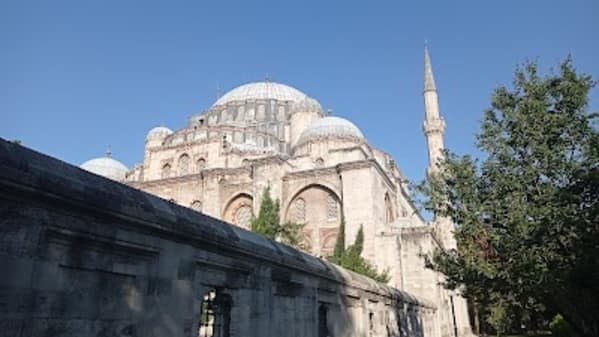
Şehzade Cami
Sign in to like and rate
The Şehzade Mosque, built in memory of Prince Mehmed, who died young, by Sultan Suleiman the Lawgiver, is one of the early masterpieces of Architect Sinan and reflects the development of classical Ottoman architecture.
About Venue
Şehzade Mosque is an important place of worship located in the Vezneciler neighborhood of the Fatih district in Istanbul, reflecting the development of classical Ottoman architecture. The mosque was commissioned by the Ottoman Sultan Suleiman the Magnificent after the early death of his beloved son, Şehzade Mehmed, in 1543. The architect of the mosque is Mimar Sinan, who is one of the most significant figures in Ottoman architectural history. This structure is defined by Sinan as his "apprenticeship work" and represents an important stage in his transition to mastery.
The mosque is built according to a central dome plan type, supported by four semi-domes. The diameter of the dome is approximately 19 meters and it rises on four large elephant feet. The interior is quite spacious and bright; the natural light filtering through the large windows softens the atmosphere of the mosque. The calligraphy, pencil works, and decorative examples on the dome and walls reflect the characteristic features of classical period art. There are two minarets belonging to the mosque, each with two balconies.
Surrounding the mosque is a large courtyard, which features a fountain in the center that is in accordance with classical Ottoman architecture. The mosque is also designed as a complex. This complex includes a madrasa, an imaret, a primary school, a guesthouse, a caravanserai, and tombs.
The tomb of Şehzade Mehmed is located right next to the mosque courtyard and stands out with its octagonal plan and domed structure. The interior of the tomb features tiles, pencil works, and mother-of-pearl inlay decorations. Additionally, there are other tombs belonging to the Şehzade family within the complex.
Şehzade Mosque holds historical and emotional value as it is a work that showcases Mimar Sinan's development in architectural terms and symbolizes the love and sorrow Sultan Suleiman felt for his son. Today, it is used both as a mosque open for worship and is visited with interest by architectural enthusiasts and tourists.
Comments
Loading...