

Historical & Cultural SitesMuseums
Şanlıurfa Arkeoloji Müzesi
33
No ratings yet
Sign in to like and rate
Şanlıurfa Archaeology Museum
Haleplibahçe Mahallesi, 2372. Sk. No:74/1, 63200 Eyyübiye/Şanlıurfa
Eyyübiye, Şanlıurfa
Get DirectionsApple MapsAbout Venue
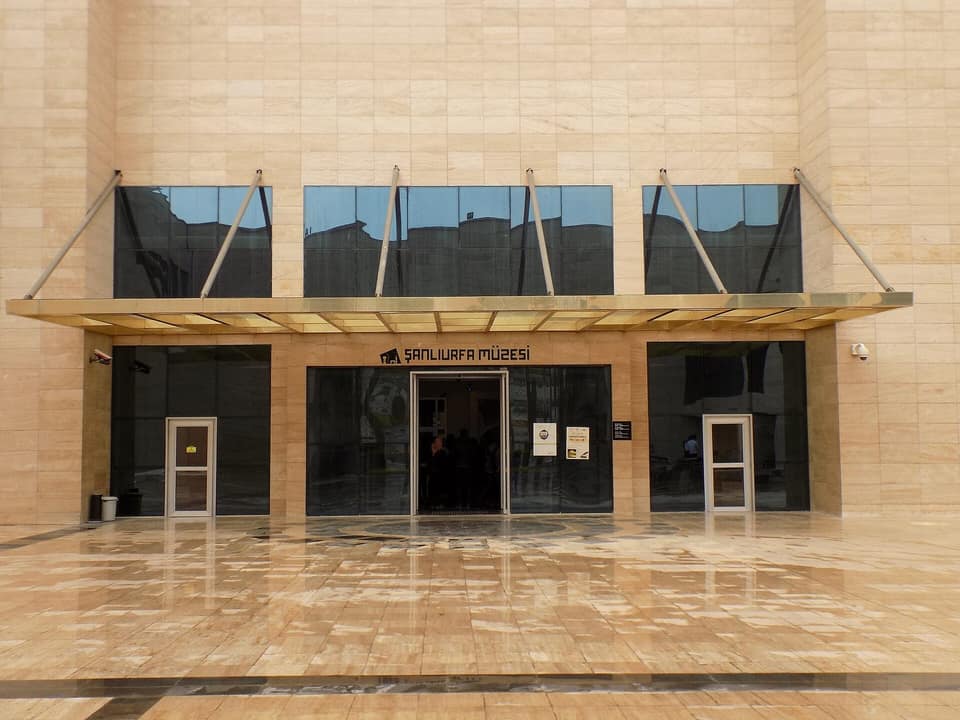
The Şanlıurfa Archaeology Museum is a large museum building in the Haleplibahçe neighbourhood of Eyyübiye, standing in the same park as the Haleplibahçe Mosaic Museum. The ministry presents the two museums as separate units, and although they share a garden, their collections are displayed in different buildings. This museum tells the story of finds from excavations in Şanlıurfa and its surroundings in a sequence that runs from the Palaeolithic to the Islamic periods. The ministry's page stresses that the museum is of international importance, above all for its Neolithic collection.
The museum's history is shorter than the city's, but well rooted. The Neolithic Catalogue of the Şanlıurfa Museum writes that the idea of opening a museum came up as early as 1948. According to the same source, construction began in 1965 on a 1,500 square metre plot in the Şehitlik district, and the first Şanlıurfa Museum opened to visitors in 1969. Over time that building proved inadequate for the city's archaeological wealth.
In 2012 the Ministry of Culture and Tourism laid the foundations for a new archaeology museum, a mosaic museum to display the mosaics, and an Archaeopark between them suited to experimental archaeology. Today's museum opened to visitors on 24 May 2015. The catalogue describes the building as a large complex and states that it contains 14 main exhibition halls and 33 reconstruction areas. A temporary exhibition hall, cinevision rooms where promotional films are shown and a children's play area are also part of the building.
The exhibition halls are visited in chronological order. First come surface finds from the Palaeolithic and reconstructions that describe the period. Then the great finds of the Neolithic begin, and this is also the most visited part of the museum. Pillars, statues and reliefs from the Göbeklitepe and Karahantepe excavations are displayed in these halls.
One of the famous works of the Neolithic section is the Yenimahalle statue. This life-size human figure made of limestone is dated in the catalogue to the Pre-Pottery Neolithic. According to the assessment in the catalogue, the statue was probably designed to be seen only from the front, and it looks flat when viewed from the side. Pieces of obsidian were set into the deep eye sockets of the large, angular head. A double V-shaped necklace is visible on the chest, and at stomach level the hands face each other. This placement of the hands resembles the reliefs on the pillars of Göbeklitepe and Nevali Çori.
The Göbeklitepe hall displays works such as reliefs of a wild boar, a fox, a stork, a gazelle, a scorpion and a snake, a leopard relief and a relief of a human figure without a head. The Culture Portal notes that the museum holds a full-scale replica of Building D at Göbeklitepe. The replica is a good chance to study up close the central pillars that can only be seen from a distance at the excavation. The catalogue also reports that in 2024 a new exhibition hall called "Taş Tepeler" (Stone Hills) opened for finds from sites excavated under the Şanlıurfa Neolithic Research Project.
After the Neolithic halls come the Chalcolithic, Bronze and Iron Ages, followed by works from the Hellenistic, Roman, East Roman and Islamic periods. According to the ministry's page, finds from Harran and its surroundings form the backbone of the collection. Since the Harran archaeological site is currently closed to visitors, this section is the easiest way to see the finds that came from there. Finds from rescue excavations at settlements that ended up in the reservoirs of the Atatürk, Birecik and Karkamış dams are also displayed here.
In the display cases you will see flint cutting and piercing tools, stone vessels, painted and unpainted terracotta pottery with geometric patterns, and cylinder and stamp seals. Burial jars, faience necklace beads, animal figurines, metal objects and jewellery are also part of the collection. Do not rush the time you give each hall for the small finds, because the detail of the seals and figurines only becomes clear up close.
In the Archaeopark outside the museum, examples of buildings reflecting the architecture of different periods are arranged in chronological order. There is also an excavation training area here suited to experimental archaeology. After the halls, walking through the park to the Haleplibahçe Mosaic Museum in the same garden is the natural way to round off the visit. If you plan to see both museums on the same day, give the Archaeology Museum at least a few hours.
The MüzeKart museum pass is valid at the museum. Check opening hours and admission conditions on the ministry's museum page. The catalogue states that there is a large covered car park at the museum entrance. If you are going to Göbeklitepe, seeing the museum before or after the site makes it easier to connect the buildings at the excavation with the finds.
Comments
Loading...
Location - Şanlıurfa Arkeoloji Müzesi
Venue Info
AddressHaleplibahçe Mahallesi, 2372. Sk. No:74/1, 63200 Eyyübiye/Şanlıurfa
VenueEyyübiye, Şanlıurfa
TypeHistorical & Cultural Sites