

Tourist Streets & SquaresOld Town District
Saburhane
No ratings yet
Sign in to like and rate
Patience Hospital
About Venue
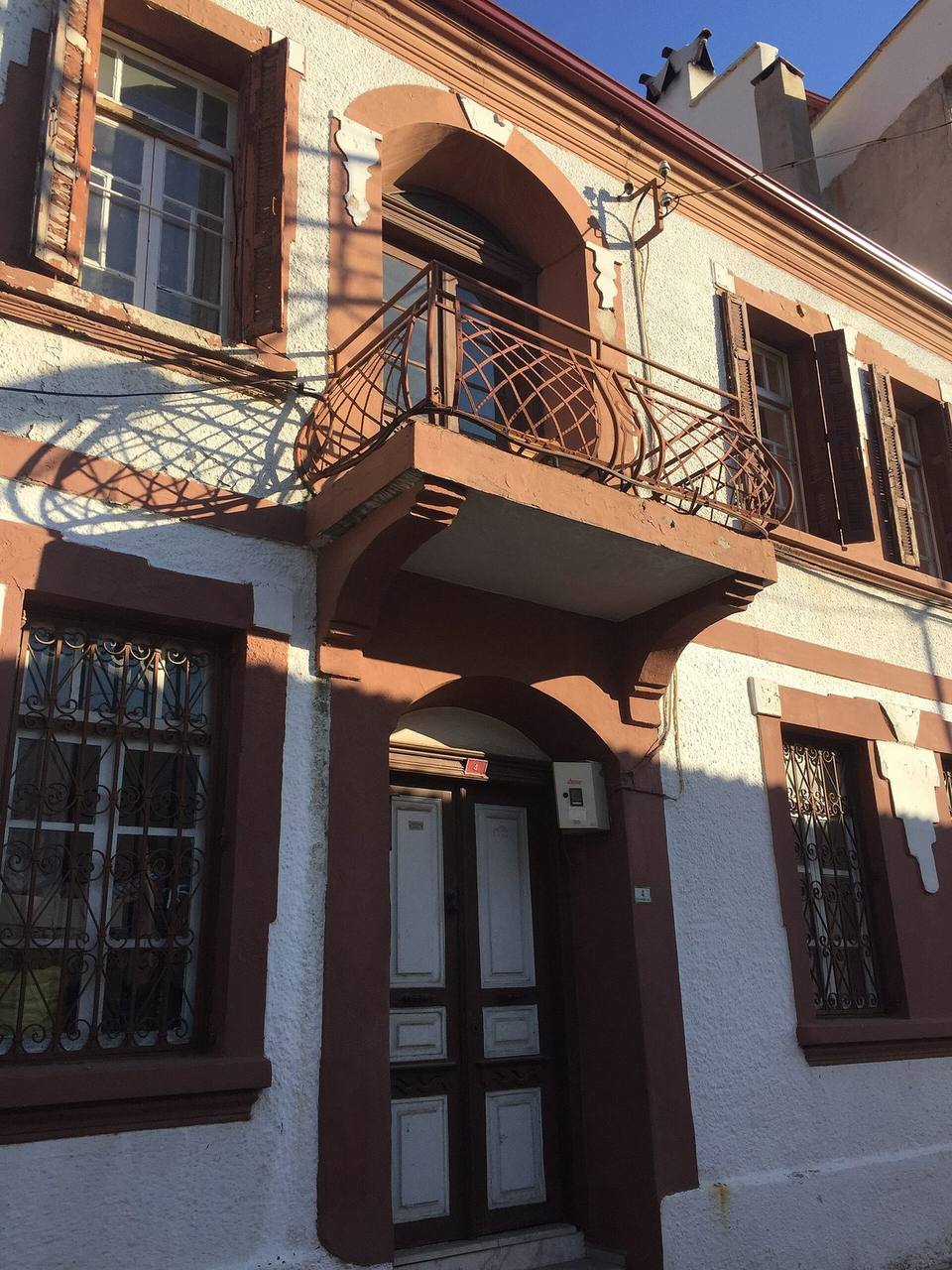
Saburhane is a historic quarter on the eastern side of the city in Menteşe; it is not an official neighbourhood name, yet it lives on in the speech of local people and gathers around the square that bears its name. The TDV Encyclopedia of Islam describes Saburhane as the Greek quarter founded in the east of the city in the 19th century and records that the mosque of the quarter was built by Hacı Osman Ağa in 1848. Architectural studies explain that Greek families settled around Konakaltı and Saburhane after Greek merchants gained a strong position in the trade from the Gökova landing to Rhodes. Their houses are two-storey buildings of neatly cut stone that face the street, which sets them apart from the courtyard-facing Turkish houses in the rest of the city. The departure of Saburhane's residents, who were active in foreign trade at the start of the 20th century, in the autumn of 1922 also affected Muğla's commercial life.
Saburhane is the quarter where the old caravan route left the city; from here caravans headed for Tavas along the Yılanlı Dağı road. A study published by Yıldız Technical University shows that Saburhane Square grew on its own rather than through a planned layout, and that it is an amorphous, multi-centred neighbourhood square. According to the same study the mosque stands freely within the square, coffee houses, a bakery and small shops open directly onto it, and a monumental tree and a statue are among the focal points of the space. The square was rearranged in the late 1970s, and the Apostol Han on its edge served as a primary school between 1927 and 1954. Research stresses that most of the buildings surrounding the square have survived in their original form.
A study of the city's cultural history likens Saburhane to an open-air museum, citing the statue of Mimar Sinan on the square, the stone houses that differ from other Muğla houses with their windows opening onto the street, the square shaded by the old plane tree and its coffee house culture. The traditional Muğla houses on the slopes around the quarter show high courtyard walls, small kuzulu doors set into the large gates, tiled wall copings and cobbled streets. The most distinctive feature that separates the Muğla house from others in the region is its chimney; these chimneys appeared when houses moved from flat earthen roofs to roofs covered with traditional tiles. Local people take care of the street front of their homes too, and the white limewash is renewed every year. Menteşe Municipality states that the city has 400 registered buildings and counts Saburhane Square, together with the Arasta and the Clock Tower, among the main places visitors explore.
The square is reached on foot from the city centre along Karamuğla Avenue, which links the old and new parts of the town; it lies about 600 metres east of the Arasta. After sitting in the square for a while and looking at the surrounding facades, a slow walk through the narrow streets climbing the slope is recommended to see the chimneys and doors. Since families still live in most of the houses, visitors should not enter courtyards without permission and should respect residents' privacy when taking photographs.
Comments
Loading...
Location - Saburhane
Venue Info
AddressSaburhane Meydanı, Karamuğla Caddesi çevresi, Menteşe, Muğla
VenueMenteşe, Muğla
TypeTourist Streets & Squares