

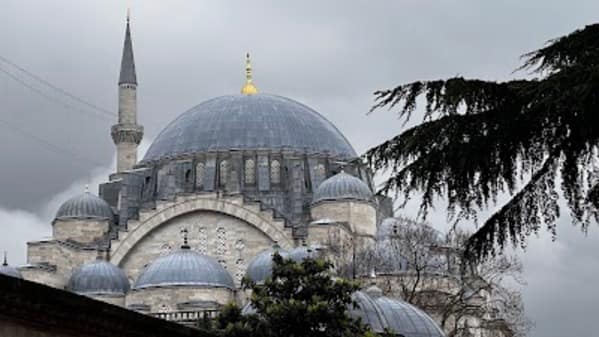
Rüstem Paşa Camii
Sign in to like and rate
This mosque, built by the Ottoman grand vizier Rüstem Pasha, is particularly known for its rich İznik tiles. The mosque, a graceful work of architect Sinan, is located in a central position in Eminönü.
About Venue
The Rüstem Pasha Mosque is a place of worship located in the Tahtakale area of Eminönü, Istanbul, and is considered one of the most elegant examples of Ottoman architecture. The mosque was commissioned by the Ottoman Grand Vizier Rüstem Pasha in 1561. Its architecture belongs to the most famous Ottoman architect, Mimar Sinan. The structure is of great importance in terms of both its architectural arrangement and the richness of its decoration.
The mosque is built on top of the surrounding commercial buildings due to its location. Shops are located on the lower level, and the mosque is constructed on an elevated platform above these structures. This positioning of the mosque demonstrates Mimar Sinan's mastery in constructing a magnificent structure in a narrow space.
The most striking feature of the Rüstem Pasha Mosque is the rich İznik tile decorations used on its interior and exterior facades. The interior of the mosque is covered with thousands of handmade tiles adorned with plant motifs from the 16th century. These tiles, which prominently feature motifs such as tulips, carnations, and hyacinths, are regarded by art historians as some of the finest examples of Ottoman tile art.
The central dome of the mosque rises on four elephant feet and is supported by semi-domes surrounding the space. The dome is illuminated by large windows that refresh the interior. The mihrab, minbar, and pulpit draw attention with their elegant stone craftsmanship. The mosque has a single minaret that reflects the classical Ottoman architectural style.
The Rüstem Pasha Mosque is not only a place of worship but also one of the most beautiful examples of the aesthetic dimension of Ottoman art and architecture. Since it is located in the bustling commercial area of Eminönü, it is visited throughout the day by both worshippers and art enthusiasts. The mosque, which is still actively used today, offers its visitors both spiritual tranquility and a visual feast.
Comments
Loading...