

Historical & Cultural SitesMuseums
Pamukkale Hierapolis Arkeoloji Müzesi
No ratings yet
Sign in to like and rate
Pamukkale-Hierapolis Archaeological Museum
About Venue
The Pamukkale Hierapolis Archaeology Museum stands inside the ancient city of Hierapolis and occupies its Roman bath, one of the largest buildings of the city. The bath building was restored in the 1970s, and finds from the Hierapolis excavations, together with works brought from sites such as Laodikeia and Tripolis, were arranged here before the museum opened to visitors on 1 February 1984. As the building wore down over time, a new restoration began in 1999, and with the open-air display completed, the museum reopened in its present form on 24 April 2000. The museum covers a complex of about 14,000 square metres made up of the Roman bath, the gymnasium and the library.
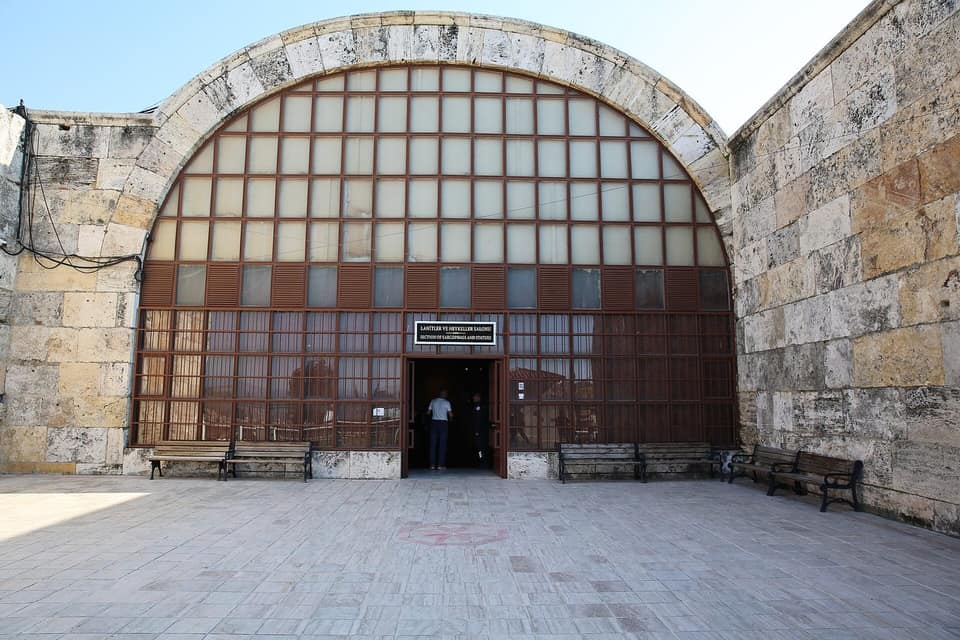
The works are displayed in three vaulted bath halls built of cut travertine blocks. Besides Hierapolis, the collection holds finds from Lykos (Çürüksu) Valley cities such as Laodikeia, Colossae, Tripolis and Attuda. Works unearthed at several settlements in the regions of Caria, Pisidia and Lydia have also been gathered in this museum.
The Hall of Sculptures and Sarcophagi holds Roman sarcophagi, gravestones, column capitals and inscriptions. Among the statues in this hall, figures of Tyche, Dionysus, Pan, Asclepius, a priestess of Isis and Demeter stand out. The Sidamara type sarcophagus found at Laodikeia and the inscribed sarcophagus of Maximillan are among the most admired works in the hall. Reliefs depicting gladiator fights and bull games can also be seen in the same hall.
The Hall of Small Finds tells a long story beginning in the 4th millennium BC in chronological order. Idols, terracotta vessels and stone objects found in the 1950s excavations of the British Institute of Archaeology at Beycesultan Höyük near Çivril form an important part of this hall. The cases also hold oil lamps, glass vessels, necklaces and metal jewellery from the Phrygian, Hellenistic, Roman and Byzantine periods. Gold, silver and bronze coins from the Hellenistic period to the Ottoman period can be followed in sequence as well.
The third hall is devoted to the reliefs that decorated the stage building of the Hierapolis Theatre. Here scenes such as the procession of Dionysus, the birth of Apollo and Artemis, the abduction of Persephone by Hades and the coronation of Emperor Septimius Severus can be seen up close. Copies have replaced some of the reliefs on the theatre stage, while the original pieces are protected in the museum.
Because marble and stone works are also displayed outdoors, the visit continues in the courtyard after you leave the halls. Adding the museum to a Hierapolis visit is the easiest way to study up close the decoration of the buildings you see in the theatre and the ancient city. According to the official source the museum is open every day; check visiting hours and entry conditions on the Museums website before you go. Pamukkale can be reached by minibus from the Denizli intercity bus terminal.
Comments
Loading...
Location - Pamukkale Hierapolis Arkeoloji Müzesi
Venue Info
AddressPamukkale Örenyeri, Pamukkale, Denizli
VenuePamukkale, Denizli
TypeHistorical & Cultural Sites