

Historical & Cultural SitesCastles & Palaces
Mudurnu Saat Kulesi ve Tarihi Çarşı
46
No ratings yet
Sign in to like and rate
Mudurnu Clock Tower and Historic Market
About Venue
Mudurnu is an Ottoman town southwest of Bolu, spread along both banks of the Mudurnu Stream and known for its timber houses and historic bazaar. Mudurnu Municipality writes that the town was founded in a valley between the Hisar and Kulaklı hills, about 50 kilometres southwest of Bolu. According to the municipality, the area passed to the Ottoman principality in 1307 and became one of the important stopping places on the historic silk and spice route. Today the town is an urban conservation area. GoTürkiye notes that Mudurnu is a Cittaslow town and is regarded as one of the living centres of the Ahi tradition.
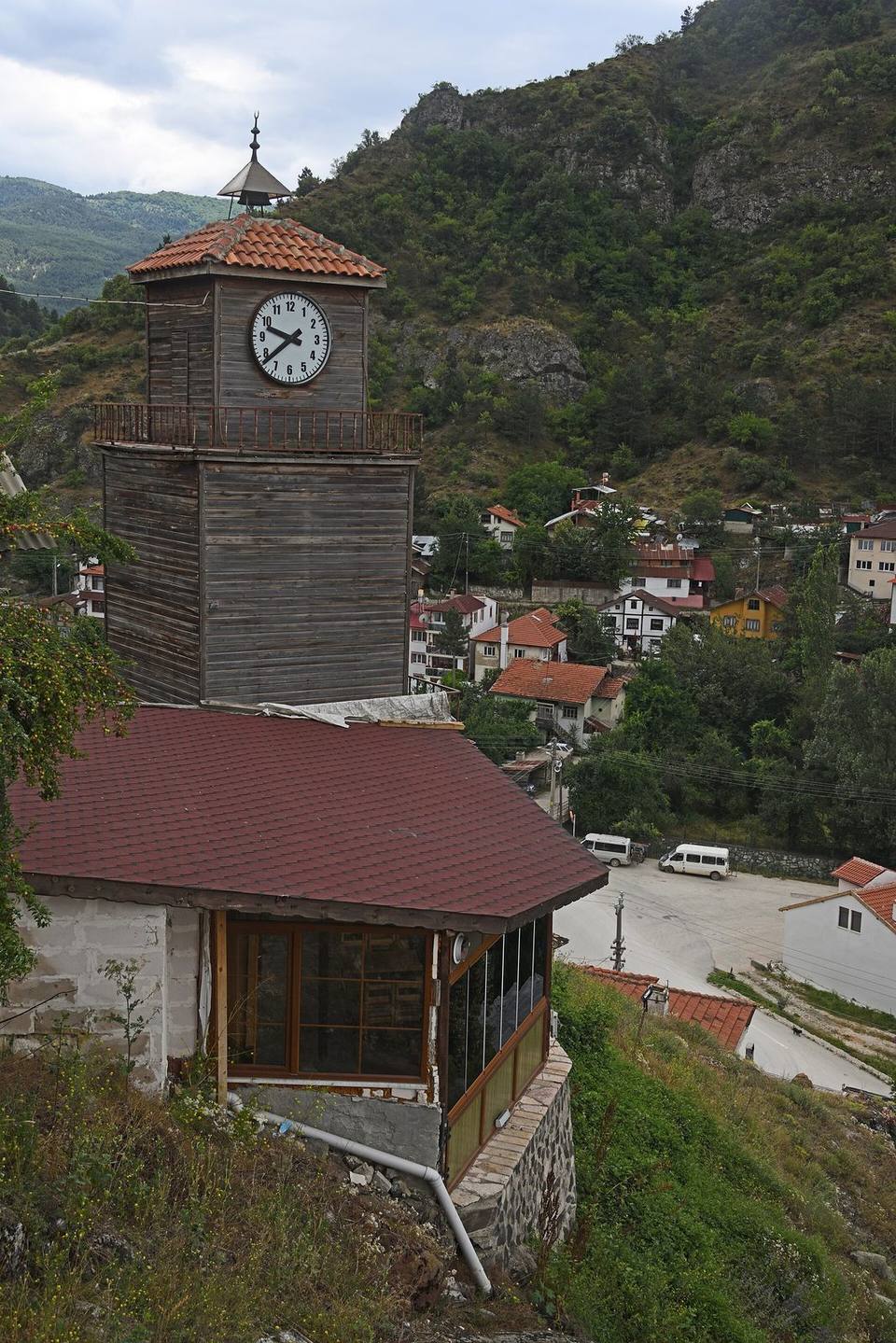
The emblem of the visit is the clock tower on the slope east of the town. According to the Mudurnu District Governorship, the first tower was built of timber between 1890 and 1891 and suffered a fire in 1900. In 1905 a new tower was built by inmates of the Mudurnu Prison with stones brought from the surrounding area, and a clock made by a Mudurnu blacksmith was fitted to it. The tower has a square body of roughly 3.80 by 3.80 metres and is 12 metres high. From its east-facing door a 30-step wooden staircase climbs to the clock faces on three sides. According to the governorship, the tower's bell weighs 140 okka, about 185 kilograms.
The tower's present timber appearance dates from the 1990s. The governorship writes that the exterior was clad in wood in those years and that the clock still marks every hour today. The slope where the tower stands is a good spot to see the town's tiled roofs from above. From here it is easier to see how the houses are arranged along the valley so as not to block one another's sunlight. The municipality also stresses that the houses were built with an understanding that none should shade its neighbour.
Below the tower the town's historic fabric begins. Mudurnu Municipality states that the district has 207 houses, 20 religious and cultural buildings, 2 military buildings, 2 natural monuments, fountains and a bathhouse, 231 listed structures in all. According to the municipality, the houses are usually two or three storeys, with storerooms, pantries, kitchens and oven rooms on the ground floor. On the upper floors the rooms are arranged around a hall, and each room has a hearth, a bedding cupboard and built-in divans. Doors and windows show fine examples of Ottoman woodwork, and the roofs are timber hipped roofs covered with traditional tiles. The municipality also describes small rooms with coloured glass, called cihannüma, on the roofs of some houses.
One of the oldest buildings in the bazaar is the Yıldırım Bayezid Bathhouse. The Provincial Directorate of Culture and Tourism states that the bathhouse was built in 1382 and that its architect was Ömer bin İbrahim. The same source writes that it stands out for its portal and dome transitions and is one of the finest bathhouses of its period. According to the municipality, the bathhouse is still in use today. Beside it, the 14th-century building of the same name is known as the town's most important example of early Ottoman architecture.
The bazaar is also a craft bazaar. Mudurnu Municipality writes that Evliya Çelebi, passing through the town in the 17th century, praised its rows of needle-makers' shops and Mudurnu needles. According to the municipality, blacksmiths and coppersmiths in the arasta bazaar still forge iron today. Needle lace leads the women's handicrafts, and the lace patterns carry names taken from daily life, such as mother-in-law's tongue and sisters-in-law fell out. The Ahi tradition also lives on as part of craftsmen's solidarity; the municipality notes that journeymen who become masters are girded with a ceremonial sash.
Mudurnu is best explored on foot. Those arriving by car can leave the vehicle at the edge of town and walk first through the bazaar, then up the slope of the clock tower. Lake Abant is about 18 kilometres from the town, and both places can be visited on the same day. Visitors from Bolu follow the Mudurnu road, while those from Ankara can reach the town via Beypazarı and Nallıhan. Mudurnu's cuisine is part of the visit too; the Provincial Directorate of Culture and Tourism notes that the pumpkin gözleme received geographical indication status in 2021. Because the town can be crowded at weekends, coming on a weekday or early in the morning lets you see the streets in a calmer mood.
Comments
Loading...
Location - Mudurnu Saat Kulesi ve Tarihi Çarşı
Venue Info
AddressMudurnu ilçe merkezi, Mudurnu / Bolu
VenueMudurnu, Bolu
TypeHistorical & Cultural Sites