

Historical & Cultural SitesCastles & Palaces
Meydancık Kalesi
5
No ratings yet
Sign in to like and rate
Meydancık Castle
About Venue
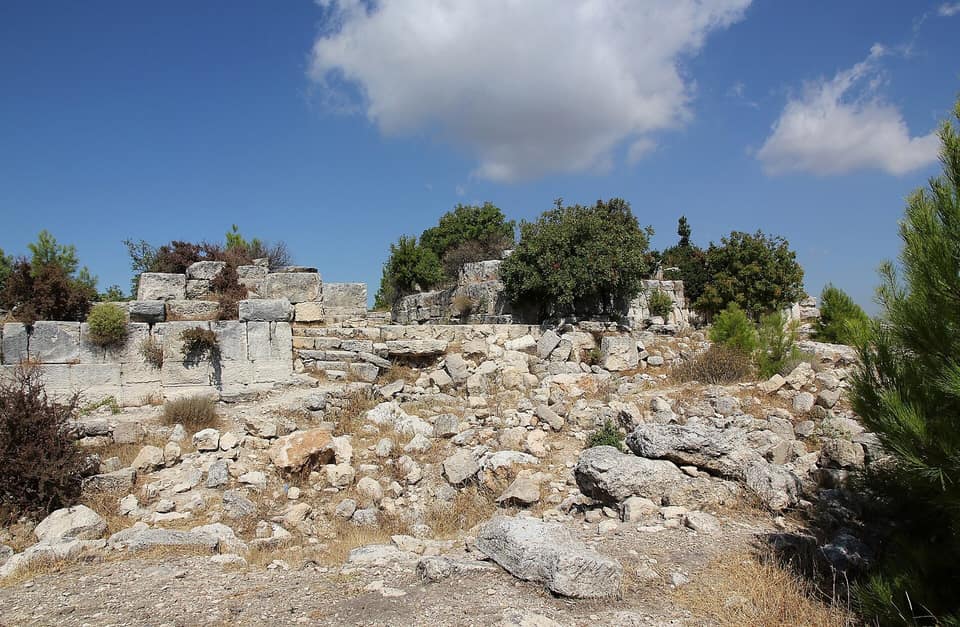
Meydancık Kalesi, Meydancık Castle, stands on a plateau on top of a steep hill about 12 kilometres south of the centre of Gülnar district, within the boundaries of the Emirhacı neighbourhood. According to the portal of the Ministry of Culture and Tourism, the castle covers a very large area 750 metres long. Kültür Envanteri gives the width of this plateau as about 150 metres and places the site near the village of Tırnak. Because of its position and its advantages for defence, the hill was used as a centre of settlement for centuries.
According to the Ministry sources, this was a royal city in the 7th and 6th centuries BC. In the 4th century BC it became one of the military and administrative centres of Persian rule, and later a garrison town of the kings of Egypt. Kültür Envanteri associates the city with a Luwian royal family and places the period of the Egyptian garrison in the 3rd and 2nd centuries BC. Traces from the Late Roman and Byzantine periods can also be seen at the castle. Kültür Envanteri lists Luwian, Persian, Ptolemaic, Hellenistic, Roman, Byzantine and Karamanid periods among the cultural layers of the site. A single hill thus holds a layered history stretching from the Iron Age to the Middle Ages.
The ancient name of the castle appears in written sources. The Ministry portal draws attention to the texts describing the campaign that the Babylonian king Neriglissar led in 557 and 556 BC against Appuashu, king of Pirindu. According to these texts, the Babylonian army advanced as far as Kirshu, the capital of Appuashu's ancestors, which is identified with today's Meydancık Kalesi. The same texts relate that the army went down to the sea from here and then reached a place called Sallune, the ancient Selinus near today's Gazipaşa. This record is among the most valuable documents showing that the mountainous region west of the Göksu was the centre of a regional power in the 6th century BC.
Today you can see a monumental entrance at the castle, the tomb to the east of the hill and the Persian reliefs carrying five human figures shown walking. There is another relief on the outward facing side of the walls and a building described as the treasury inside the castle. According to the Ministry sources, a seal belonging to the Hittite king Muwattalli was also found at this castle. This find suggests that the hill or its surroundings were linked with the region in much earlier periods as well.
The most famous find from the castle is a hoard of silver coins. According to the Ministry portal, the silver coins recovered in the scientific excavations carried out at the castle in 1980 are now on display in the Silifke Museum. Kültür Envanteri writes that the building in which the coins were found was the mansion at the centre of the castle and that the coins belong to the Hellenistic age. The hoard was published as a book in 1989 by Alain Davesne and Georges Le Rider in the Gülnar series of the French Institute of Anatolian Studies. Coins from the Meydancık excavations can be seen in the Coins and Jewellery Hall of the Silifke Museum, so visiting the castle together with the museum completes the story.
While walking inside the castle, choose your way carefully among the walls of cut stone, the fallen blocks and the bushes. First find the monumental entrance, then move towards the middle of the plateau and try to read the plan of the buildings. From the hilltop the mountainous country of Gülnar and the valleys stretching to the south can be seen in a wide sweep. The site is mostly open and shadeless, and the ground is stony and uneven, so wear sturdy shoes and take water with you.
According to the Ministry portal, the castle is reached by private or hired car. The road going south from Gülnar is therefore the most practical option, and since public transport connections are limited, a car is recommended. The castle is also not far from Aydıncık on the coast, so it can be combined with a tour of the western coast. Check the current information on visiting conditions on official sources before you go. In the hot months, coming early in the morning or in the late afternoon makes the walk easier and lets you see the texture of the stones better.
Comments
Loading...
Location - Meydancık Kalesi
Venue Info
AddressEmirhacı Mahallesi, Gülnar / Mersin
VenueGülnar, Mersin
TypeHistorical & Cultural Sites