

Religious & Spiritual PlacesMosques
Manisa Ulu Camii
No ratings yet
Sign in to like and rate
Manisa Grand Mosque
İshakçelebi Mahallesi, 2007. Sokak No:2, Şehzadeler, Manisa
Şehzadeler, Manisa
Get DirectionsApple MapsAbout Venue
The Ulu Mosque of Manisa is the centre of a complex from the Saruhanid period, set on a slope overlooking the city at the northern foot of Mount Spil. The complex was commissioned by İshak Çelebi, grandson of Saruhan Bey, from the architect Emet bin Osman. The mosque dates from 1366 and the madrasa from 1378; the madrasa was built by the same architect about ten years after the mosque. İshak Çelebi is remembered as the ruler under whom the principality enjoyed its most brilliant period, and he also gave the city other works such as the Çukur Bath.
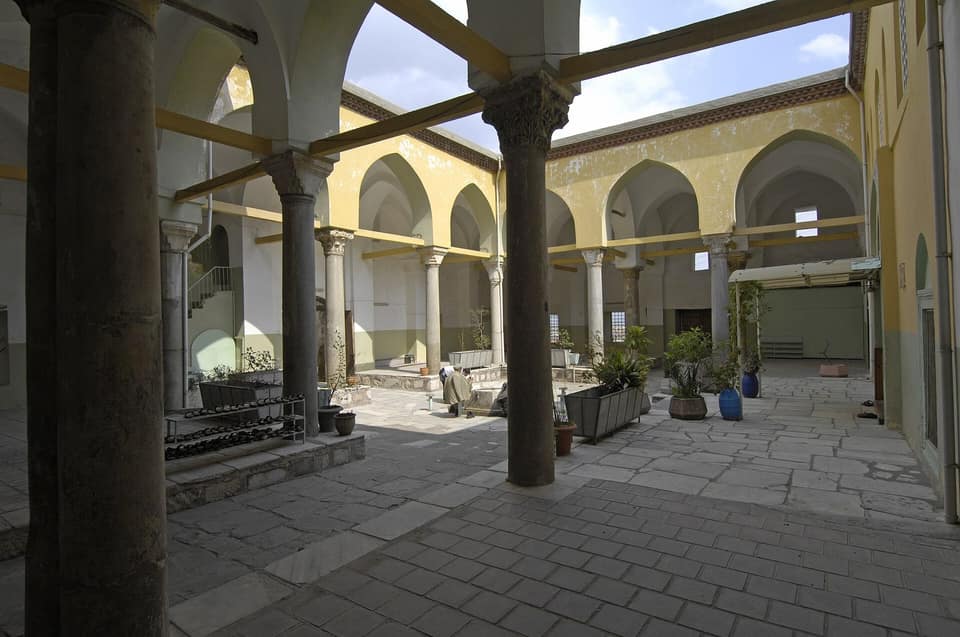
The mosque, the madrasa and the tomb of İshak Çelebi are gathered in a single mass, with the mosque to the east and the madrasa to the west. Besides rubble stone and brick, a large amount of reused ancient stone was built into the walls. The portal in the north wall of the courtyard is decorated with a fluted half dome, an arch inlaid with coloured stone and pieces of turquoise tile. On three sides the courtyard is surrounded by vaulted arcades in two rows, resting on reused columns. Some of the capitals come from the Roman and Byzantine periods, while others are Saruhanid work with muqarnas at the corners. The prayer hall is divided into twenty-eight bays, and the nine-bay section in front of the mihrab is covered by a dome 10.80 metres in diameter. This dome rests on an octagonal support made of two columns and six piers, and for this feature the building is regarded as the first mosque in Anatolia whose dome sits on an octagonal support.
The walnut minbar beside the plain mihrab was made in the kündekari technique of interlocking carved pieces and is considered one of the finest examples of woodwork from the period of the principalities. The minbar carries an inscription with the name of its maker, Hacı Mehmed bin Abdülaziz of Antep, and the signature of the same master appears a quarter of a century later on the minbar of the Ulu Mosque in Bursa. The brick minaret rising between the mosque and the madrasa has zigzags of turquoise-glazed brick on its cylindrical shaft, and fountains set in pointed-arched niches flank the minaret on both sides. The madrasa, also known as the Fethiye Madrasa, has two storeys and a single iwan, and it is known as the oldest madrasa in the city. The bath of the complex, built to provide it with income, is known as the Çukur Bath and is now in a very ruined state. Seeing ancient columns and Saruhanid capitals side by side in the courtyard makes it easier to understand how the building was assembled from materials of different periods. It can be visited on a short walk together with the nearby Manisa Clock Tower and the Muradiye Mosque further down the slope. As the mosque is open for worship, it should be visited outside prayer times, quietly and in modest dress.
Comments
Loading...
Location - Manisa Ulu Camii
Venue Info
Addressİshakçelebi Mahallesi, 2007. Sokak No:2, Şehzadeler, Manisa
VenueŞehzadeler, Manisa
TypeReligious & Spiritual Places