

Historical & Cultural SitesMuseums
Malatya Müzesi
No ratings yet
Sign in to like and rate
Malatya Museum
Kernek Mahallesi, Şehit Hamit Fendoğlu Caddesi No:33, Battalgazi/Malatya
Battalgazi, Malatya
Get DirectionsApple MapsAbout Venue
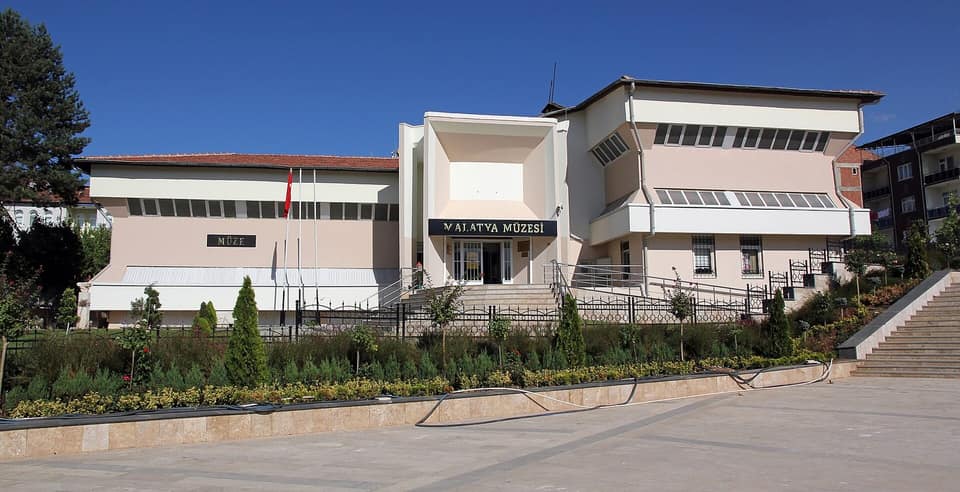
Malatya Museum is the principal museum bringing together the archaeological heritage of the province, housed in a building on the edge of Kernek Square in the city centre. Its official address is on Şehit Hamit Fendoğlu Street in the Kernek neighbourhood. The museum displays works from the Neolithic, Chalcolithic, Bronze Age, Hittite, Assyrian, Urartian, Roman, Byzantine, Seljuk and Ottoman periods, recovered in scientific excavations in and around Malatya. The ministry museum website points out that, thanks to a position offering natural passes for prehistoric and historical caravan routes, Malatya has always held an important place between Mesopotamia and Central Anatolia. The same source writes that this land, crossed by the Euphrates, the Tohma Stream and many larger and smaller streams, has kept its importance from 8000 BC to the present day. The works in the museum are arranged so that you can follow this long cultural history.
GoTürkiye, the official promotion website of Türkiye, states that the works are displayed in 32 showcases across three exhibition halls in a chronological and thematic arrangement. Finds from Arslantepe Höyüğü make up the great majority of the objects on display. Sapienza University writes that the museum houses more than 4,000 finds from the Arslantepe excavations. The Arslantepe showcases hold swords, spearheads, seal impressions, pottery, stone reliefs that decorated the wall of the Late Hittite palace, and objects made of bone and stone. The ministry museum website notes that these showcases also include idols, jewellery and stone and metal tools from layers ranging from the Chalcolithic Age to the Late Hittite period. The mud-brick palace you see at the excavation site takes on meaning through the seal impressions and weapons in these showcases.
The second major section of the museum is devoted to finds from the rescue excavations carried out for the Karakaya Dam on the Euphrates. The showcases for Cafer Höyük, Değirmentepe, İmamoğlu, Köşkerbaba and Pirot mounds display pottery, figurines, stone and bone tools, casting moulds and jewellery. A rescue excavation is an urgent dig carried out before an area is flooded or opened to construction. For this reason these showcases bring together the finds of settlements that can no longer be seen in place. A copy of the İzollu Rock Inscription, which now lies under the waters of the Karakaya Dam Lake, is also displayed in the museum.
Another notable group in the collection consists of objects from the Yenice Maşattepe Tumulus. This group includes glassware, a gold mouth band, earrings, rings, a mirror and a decorative pin. Among the same finds is a vessel that still holds olive oil, formed from olives that have turned to sediment inside it. Urartian jewellery such as belts, bracelets and anklets, along with seals and medical instruments, are also on display in the showcases. The ministry museum website writes that pottery, metal objects and statues of the Urartian, Roman, Byzantine and Seljuk periods brought to the museum are exhibited as well.
Part of the ground floor is given over to a coin section arranged in chronological order. Here you can follow coins from the Greek, Roman, Byzantine, Umayyad, Abbasid, Seljuk, Beylik and Ottoman periods. Following the coins in sequence is an easy way to see, on small pieces of metal, the succession of powers that ruled this land. The collection also includes a floor mosaic with a grazing roe deer motif, removed from the village of Günedoğru in the Doğanşehir district and brought to the museum. The Culture Portal highlights this mosaic in its presentation of the museum. In the garden, funerary monuments from different periods are displayed in the open air.
Sapienza announced that the museum's refurbished display was presented to visitors on 8 August 2026, at the same ceremony as the new visitor route at Arslantepe. The ministry museum website notes that guidance services are available at the museum. We recommend setting aside at least an hour to see the three halls and the garden without hurrying. If you follow the chronological arrangement in the halls, you can trace the line from Neolithic settlements to Ottoman coins without a break. After the showcases inside, a short walk among the stone monuments in the garden makes a calm ending to the visit. Check opening hours and visiting conditions on the official ministry museum website before you go.
Since the museum is in the city centre, it is easy to reach by the city's public transport lines or on foot from the centre. Arslantepe Höyüğü lies about 7 kilometres northeast of the city centre. Visiting the museum and the mound on the same day lets you see the finds together with the place they came from.
Comments
Loading...
Location - Malatya Müzesi
Venue Info
AddressKernek Mahallesi, Şehit Hamit Fendoğlu Caddesi No:33, Battalgazi/Malatya
VenueBattalgazi, Malatya
TypeHistorical & Cultural Sites