

Historical & Cultural SitesMuseums
Konuralp Müzesi
31
No ratings yet
Sign in to like and rate
Konuralp Museum
About Venue
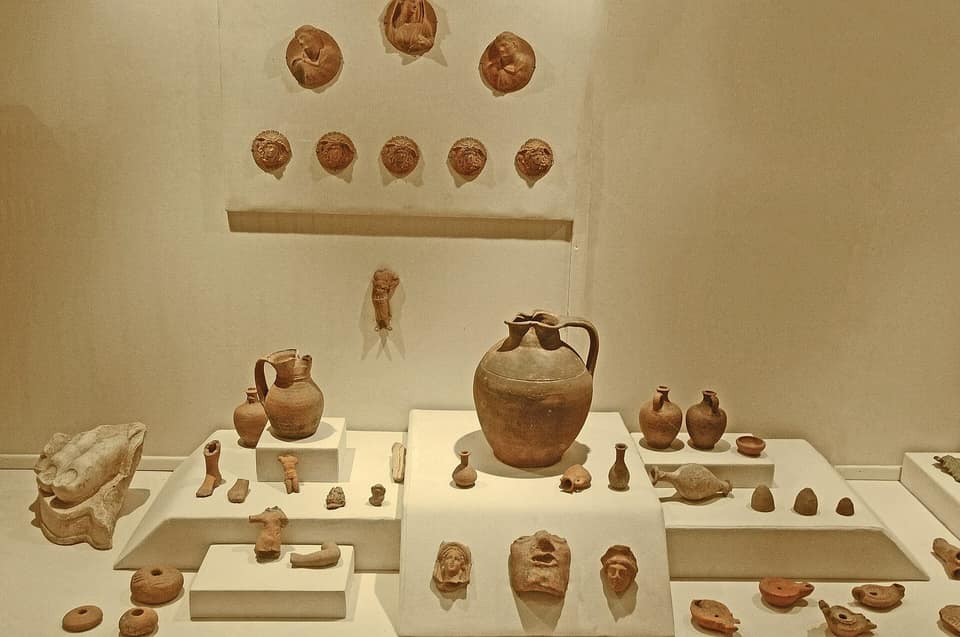
Konuralp Museum stands in Konuralp, north of Düzce city centre, in the same settlement as the remains of the ancient city of Prusias ad Hypium. The Culture Portal states that the museum was founded to keep alive the rich cultural heritage of the ancient city. According to the Düzce Provincial Directorate of Culture and Tourism, the museum opened to visitors in 2003. The building holds three exhibition halls, a laboratory, two storerooms, a conference hall and administrative units. Figures given by the museum directorate list 1,848 archaeological objects, 491 ethnographic objects and 3,898 coins, a total of 6,237 items in the collection.
The display is divided into three halls, archaeology, ethnography and stone works, plus two coin sections. In the archaeology hall, finds from Prusias ad Hypium are shown in chronological order together with objects from the Bronze Age, the Hellenistic period and the Roman period. The most striking piece in this hall is the statue of Tyche found during excavations in the ancient city. In Greek mythology, Tyche is known as the goddess of fate, fortune and success. She was regarded as the protector of cities, and every city was thought to have its own Tyche. The Culture Portal writes that the Konuralp statue is a copy made in the Roman period in the 2nd century AD of a 4th century BC sculpture whose original is in the Istanbul Archaeology Museums. The crown on the goddess's head, decorated with olive leaves, represents the city wall. On her left arm she carries a horn of plenty filled with fruit and the child Plutus, a symbol of wealth. Looking closely at the wall-shaped crown and the figure on her arm, in front of the statue, makes the symbols of the work much easier to read.
The masterpiece of the stone works hall is the Orpheus Mosaic. The mosaic was the floor of a Roman villa and covers about 45 square metres. According to an article on the mosaic by S. Sezin Sezer of Kafkas University, it was found by chance in a field in the southern part of the city in the 1950s. The same study explains that in the 1990s water overflowing from a nearby irrigation channel flooded the excavation area, after which the mosaic was cut into rectangular panels and moved to the museum's storeroom. The mosaic was conserved in 2012 by the Istanbul Directorate of the Central Laboratory for Restoration and Conservation, and it is now displayed in the stone works hall. Orpheus playing his lyre sits at the centre, surrounded by animals such as a lion, a tiger and a peacock, while women's heads personifying the seasons fill the four corners. In mythology Orpheus was believed to move trees and rocks with his music and to calm wild beasts. On the basis of its style and iconography, Sezer dates the mosaic to the late 3rd or early 4th century AD.
Another important piece in the hall is the statue of the Roman god Janus, with two faces looking one to the right and one to the left. Janus was the god of passages, doors, beginnings and endings, and his two-faced image often appears on Roman coins. According to the myth, one face watches those entering the city and the other those leaving it, so the city lives in safety. The ethnography hall shows objects that reflect traditional life from the 19th century to the present day. The museum also has two separate coin sections, and their small cases deserve as much time as the large halls.
Many stone works are also displayed in the museum garden. The most important of them is a marble sarcophagus found in 1937 in the Tepecik area of Konuralp. Leaving the end of your visit for the garden is a good way to see these pieces comfortably in daylight. Because the halls are arranged chronologically, starting in the archaeology hall and continuing with the stone works and ethnography halls lets you follow the story the museum tells in order.
The link between the museum and the ancient city is direct, since the objects recovered from Prusias ad Hypium are displayed here. An article published in Höyük, the journal of the Turkish Historical Society, states that the excavations in the ancient theatre, under way since 2013, are carried out with the permission of the Ministry of Culture and Tourism, under the direction of Konuralp Museum and with the scientific coordination of Düzce University. Visiting the museum on the same day as the theatre, the Horse Gate and the walls therefore connects the pieces in the cases with the remains seen on site. The Culture Portal notes that the museum is about 10 kilometres from Düzce centre and can be reached by city public transport. Opening hours, closing days and entry conditions can change, so check the current information on the official pages of the Ministry of Culture and Tourism before you go.
Comments
Loading...
Location - Konuralp Müzesi
Venue Info
AddressKonuralp, Düzce Merkez/Düzce
VenueDüzce Merkez, Düzce
TypeHistorical & Cultural Sites