

Historical & Cultural SitesMuseums
Kırklareli Müzesi
8
No ratings yet
Sign in to like and rate
Kırklareli Museum
Karacaibrahim Mahallesi, Mustafa Kemal Bulvarı No 26, Kırklareli Merkez
Kırklareli Merkez, Kırklareli
Get DirectionsApple MapsAbout Venue
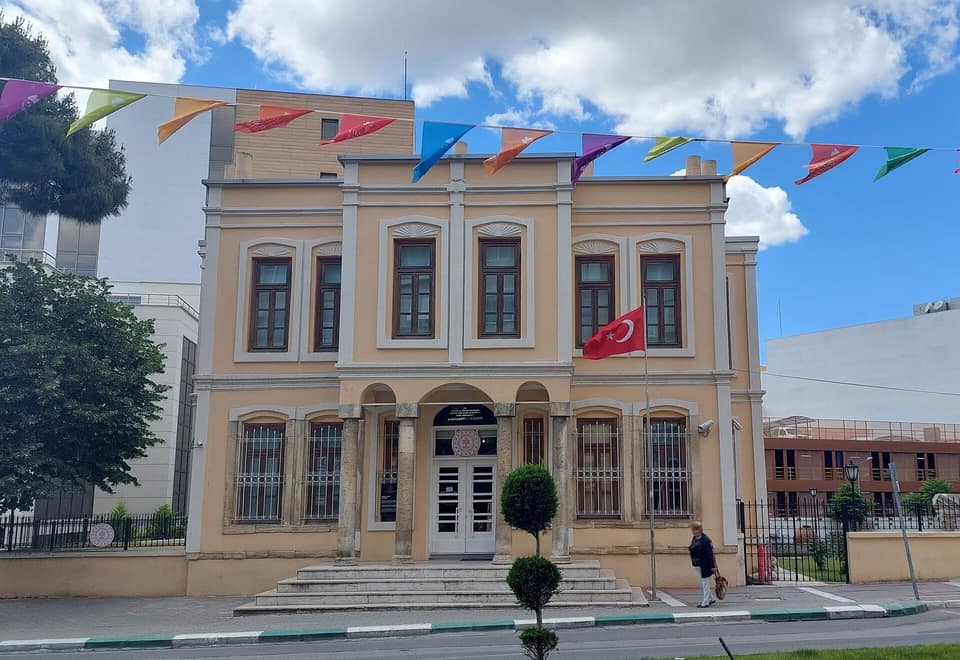
Kırklareli Museum is the state museum of the province, housed in the city's former town hall on Mustafa Kemal Boulevard in the centre of Kırklareli. The building was erected in 1894 as the municipal headquarters, during the tenure of the district governor Neşet Pasha and the mayor of the time, Hacı Mestan Efendi. According to the Culture Portal, it served as the town hall until 1962 and was completely vacated and left to itself in the 1970s. The Turkish Wikipedia article adds that demolishing the building and selling the plot was even considered in those years, but the structure was saved after a local objection and a legal process.
Restoration began in 1983 and continued with interruptions until it was completed in 1993. Work on arranging the building as a museum started in December 1990, and Kırklareli Museum officially opened to visitors on 14 January 1994. The Culture Portal records that Atatürk also called at this building during his visit to the city on 20 December 1930. Anyone touring the museum therefore walks through a building that carries more than a century of the city's civic history as well as its collection.
The building has two storeys above a basement, with arched windows lined along all four facades. At the entrance there is a bay window carried by four stone columns, which is the most distinctive element of the facade when seen from the boulevard. According to Wikipedia the walls are of load bearing masonry, the floors of reinforced concrete, and the tiled roof is hidden behind the facade. The fan shaped pediments above the windows and the white mouldings against the yellow facade give the building the familiar look of late Ottoman public architecture.
According to the provincial yearbook, the basement holds the kitchen and storerooms, the first floor the administrative section and the Nature Hall, and the upper floor the archaeology and ethnography sections. The Nature Hall shows taxidermy specimens of animals that lived or still live in the region, in displays that recreate their natural habitats. The hall holds 102 specimens of birds and mammals from 76 species, some of them extinct and some endangered. According to Wikipedia these specimens come from a collection prepared by the taxidermist Niyazi Savcı himself and were donated to the museum. For anyone preparing to explore the forests and wetlands of Thrace, this hall is a good place to start.
The archaeology hall on the upper floor mainly displays finds from excavations within the province. The yearbook names the mounds of Aşağıpınar, Kanlıgeçit and Çömlektepe among these excavations. The display follows a sequence that runs uninterrupted in Kırklareli from the Neolithic, Chalcolithic, Bronze and Iron Ages through the Classical, Hellenistic, Roman and Byzantine periods. The same hall also has a coin case arranged chronologically from the Classical period to the Ottoman era.
According to Wikipedia, the Neolithic mother goddess figurine found in 2011 at the Aşağıpınar mound bears traces of both Anatolian and Balkan culture and is among the pieces visitors find most interesting. The English Wikipedia notes that marble reliefs from the Roman theatre uncovered in Vize between 1995 and 1997 are displayed on the staircase wall. The Turkish article also mentions a relief about two metres long with a depiction of Dionysus as one of the most valuable pieces in the museum. For those planning to visit the Vize Ancient Theatre, looking at these reliefs first makes it easier to picture how the stage was once decorated.
According to the yearbook, the ethnography section holds finds from the excavation of the Fatih Foundry in Demirköy, a reconstructed Kırklareli town room reflecting the 19th and early 20th centuries, and garments, jewellery and everyday objects from different periods. Carpets and household goods give a tangible picture of the life lived in the city and its villages in the recent past. Because space is limited and excavations continue, some archaeological pieces are said to be rotated from time to time.
The number of registered items varies between sources; the provincial yearbook states that 7,872 items were in the inventory as of 2023. The museum is not only an exhibition space, as registering the natural and cultural assets of the region is also among its core duties. That is why the museum directorate is named in most of the excavation work carried out in the province.
One to two hours is enough for a visit; you can start with the Nature Hall on the ground floor and then move on to the archaeology and ethnography halls upstairs. Opening hours, closing days and admission conditions can change, so check the current information on the official Museums website before you go. The museum is close to the market area of the city centre, and the Hızırbey Hamam and its arcade are a short walk away. You can also walk up from here to the old mansions of the Yayla quarter and fit the historic centre of the city into half a day.
Comments
Loading...
Location - Kırklareli Müzesi
Venue Info
AddressKaracaibrahim Mahallesi, Mustafa Kemal Bulvarı No 26, Kırklareli Merkez
VenueKırklareli Merkez, Kırklareli
TypeHistorical & Cultural Sites