

Religious & Spiritual PlacesMosques
Kayseri Ulu Camii
No ratings yet
Sign in to like and rate
Kayseri Grand Mosque
About Venue
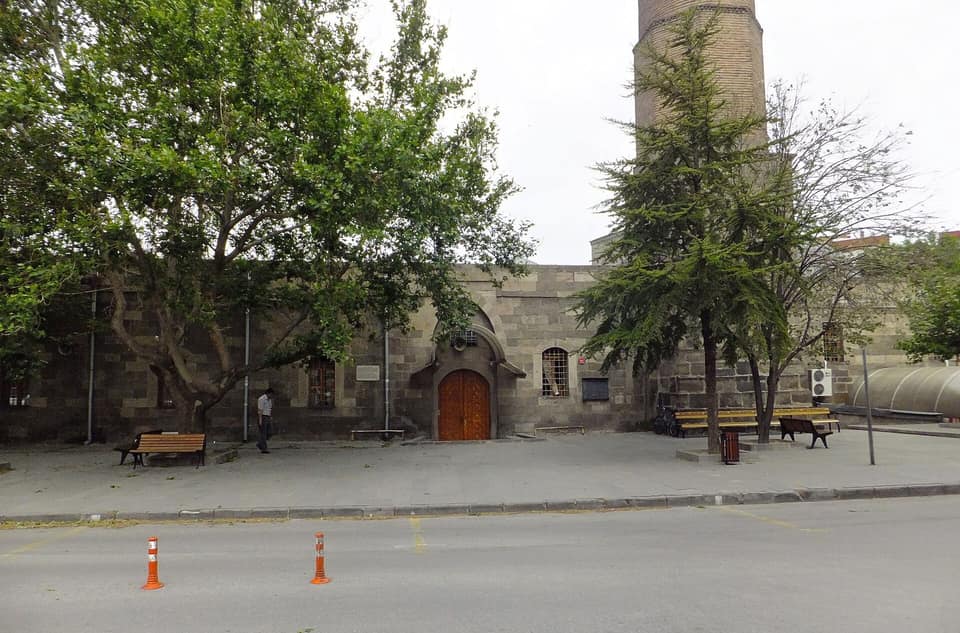
Kayseri Ulu Camii, also known as Cami Kebir or the Sultan Mosque, stands in the historic market quarter of the city, right next to the Covered Bazaar. Its founder is known to be Melik Mehmed Gazi, the Danishmendid ruler who made Kayseri the centre of his principality. The provincial records of the Ministry of Culture and Tourism date its construction to between 1134 and 1143, while the TDV Encyclopedia of Islam places it in the 12th century. For this reason the mosque is regarded as one of the earliest monuments still standing in the city.
An inscription on the north facade states that the mosque was thoroughly repaired in 1205-1206 by Muzafferuddin Mahmud, son of Yağıbasan, in the reign of the Seljuk Sultan Gıyaseddin Keyhüsrev I. The TDV Encyclopedia of Islam records that the building underwent another major repair in 1723. Built on an irregular rectangular plan, the mosque consists of eight aisles running parallel to the qibla wall, with a central dome carrying a lantern and a dome in front of the mihrab. Inside, the pointed arches dividing the aisles rest on cut-stone piers and on columns, some of which are reused pieces. The differing column capitals show that material from earlier periods was used in the building.
The minaret attached to the west facade is thought to have been added during the repair of 1205. On its brick shaft, rising from a cut-stone base, a Kufic inscription band of turquoise tile and brick and herringbone brickwork decorate the area beneath the balcony. This detail can easily be seen by looking up from the open space around the mosque. The Raşit Efendi Library, attached to the east side of the mosque, is described in the provincial records as the city's library of manuscripts and old books.
The Ministry of Culture and Tourism's long city tour of Kayseri lists the Ulu Camii as one of the stops reached after the Bürüngüz Mosque and Pamuk Han. The same tour describes walking along Ulu Cami Avenue to reach the Hatuniye Madrasa, built in 1431 by Nasıreddin Mehmed Bey of the Dulkadir dynasty. Opposite the mosque stands the Kadı Bath, which according to the provincial records was built in 1542. The mosque is an active place of worship, so visitors should come outside prayer times, keep quiet inside and dress respectfully. As it lies in the city centre, it can be visited on the same walk as the Covered Bazaar and the walls around Cumhuriyet Square.
Comments
Loading...
Location - Kayseri Ulu Camii
Venue Info
AddressCami Kebir Mahallesi, Melikgazi
VenueMelikgazi, Kayseri
TypeReligious & Spiritual Places