

Shopping & GiftsTraditional Bazaars & Markets
Kayseri Kapalı Çarşısı
6
No ratings yet
Sign in to like and rate
Kayseri Covered Bazaar
About Venue
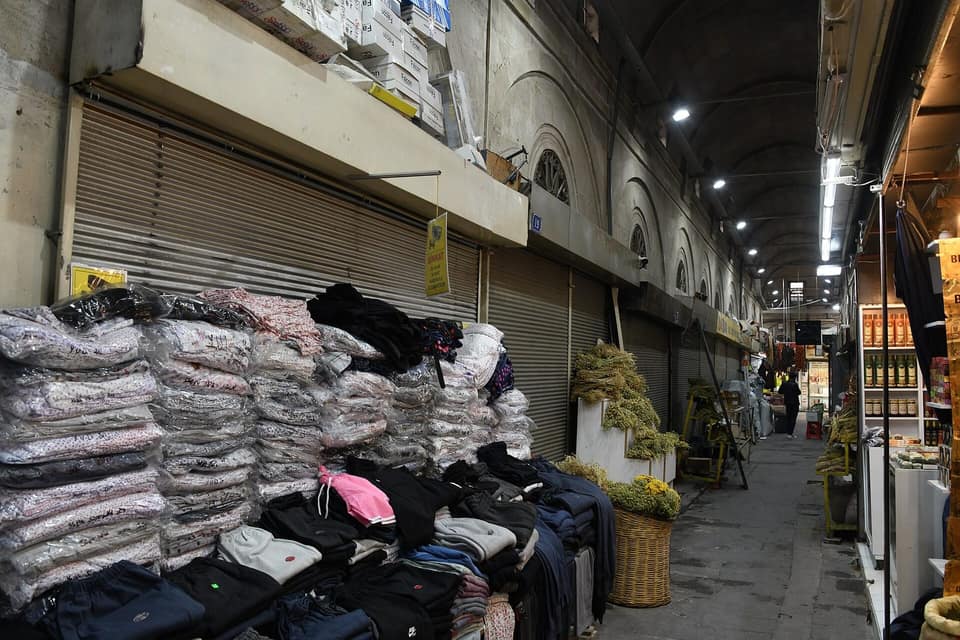
The Kayseri Covered Bazaar is a large market quarter in the historic centre of the city, lying between the Great Mosque and Cumhuriyet Square, where trade has continued for centuries. According to Mehmet Çayırdağ's study of the bazaar, there were no commercial buildings inside the city walls during the Seljuk period. The bazaar began to take shape on its present site after Kayseri came under Ottoman rule in the middle of the 15th century. Its core is the bedesten built in 1497 by Mustafa Bey, governor of Kayseri under Bayezid II, together with the shops added around it.
In the 16th century the bazaar grew with new shops built by charitable endowments, and each trade, such as carpenters, silk merchants, felt makers and jewellers, began to gather in its own street. Evliya Çelebi, who came to the city in 1649, wrote admiringly of the ornate market streets, of Kayseri leatherwork and of the city's pastırma. At that time the lanes between the shops were open-air and the bazaar had no roof. According to the presentation of the Kayseri Metropolitan Municipality, the bazaar burned almost entirely in a great fire in 1870 and was rebuilt in stone through the efforts of Maraşlı Osman Pasha. The Provincial Directorate of Culture and Tourism records that the bazaar was built by the townspeople in 1859 and that it has four entrance gates.
The bazaar's only inscription is at the entrance of the Hacı Efendi Bazaar on the Great Mosque side, and this verse text dated 1844 advises traders to earn an honest living. This section takes its name from Güpgüpoğlu Hacı Ebubekir Efendi, who founded a large endowment at the beginning of the 19th century. The Ankara Salname of 1907 describes the building as a magnificent masonry bazaar containing more than two thousand shops. During the First World War and the War of Independence, when the men left for the front, women began trading in one of the bazaar's streets, which became known as the Women's Bazaar. In the 1930s most of the vaults were pulled down because some sections were close to collapse, and only the Hacı Efendi, Urgancılar and Katrancılar bazaars survived. A comprehensive restoration lasting many years roofed the bazaar again, and during this work the remains of the Seljuk-era Pervane Bey Madrasa came to light.
Today the bazaar holds shops selling local foods and handicrafts, and street names such as Kazancılar, Urgancılar and Katrancılar recall the old arrangement of the trades. From inside the bazaar you can pass to the bedesten of 1497, to the Vezir Hanı built by Damat İbrahim Pasha in the 1720s and to the Gön Hanı dated 1519. Starting from the entrance on the Great Mosque side and walking the streets with the bedesten as your centre makes the layout of the bazaar easier to understand. The entrance known as Demir Kapı opens towards Cumhuriyet Square, so a visit easily combines with the buildings around the castle and the square. Since the shops' working days and hours can change, it is a good idea to check current information before your visit.
Comments
Loading...
Location - Kayseri Kapalı Çarşısı
Venue Info
AddressCumhuriyet Mahallesi, Melikgazi/Kayseri
VenueMelikgazi, Kayseri
TypeShopping & Gifts