

Historical & Cultural SitesMuseums
Kastamonu Arkeoloji Müzesi
9
No ratings yet
Sign in to like and rate
Kastamonu Archaeological Museum
İsfendiyarbey Mahallesi, Cumhuriyet Caddesi No:6, Kastamonu
Kastamonu Merkez, Kastamonu
Get DirectionsApple MapsAbout Venue
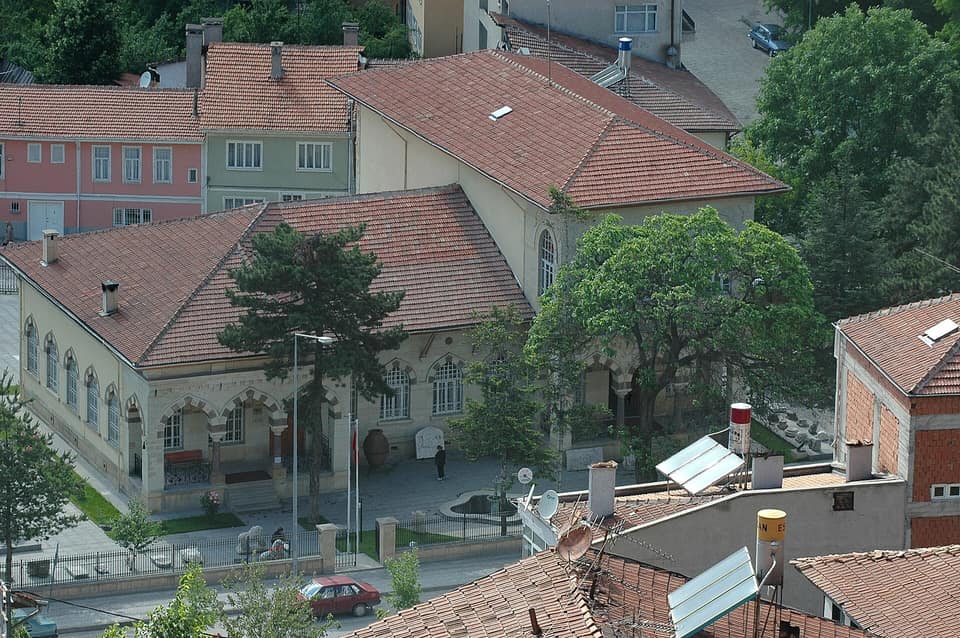
Kastamonu Archaeological Museum is housed on Cumhuriyet Caddesi in the city centre, in a cut stone building that is itself a historical document. Kültür Portalı notes that the museum is about 250 metres from Cumhuriyet Meydanı and can be reached on foot or by minibus. Visiting the museum means following, in a single building, the past of the region known as Paphlagonia from prehistory to Byzantium.
The plan of the building was drawn by Architect Kemaleddin Bey, one of the pioneers of the National Architecture movement. Its construction date is given differently in the sources. The museum directorate page of the General Directorate of Cultural Heritage and Museums writes that the building was built in 1910 as the Kastamonu branch of the İttihat ve Terakki Club. Kültür Portalı and Kastamonu Municipality, however, date the building to 1917. The ministry page describes the structure as a monumental building that shows the stone craftsmanship and original architecture of the late Ottoman period. Its arcaded entrances and the pointed arch accents on the facade are its most striking features; looking at the facade from a little distance, from the opposite pavement, shows these details better as you approach the museum.
Before it became a museum, the building took on many roles. According to the ministry page, it was used as the Independence Court during the War of Independence, served various institutions in later years and was even used as a cinema for a time. During his visit to Kastamonu on 30 August 1925, Mustafa Kemal Atatürk delivered the Kastamonu Speech on the dress and hat reform in this building. From the 1940s onward, works brought from Kastamonu, Zonguldak, Sinop, Samsun, Bolu and Çankırı were gathered here. The ministry and Kültür Portalı write that the museum opened as a regional museum in 1952, while the municipality gives the official opening as 1951.
The museum is a building with a ground floor and one upper floor, entered through two main doors. According to the ministry page, the left entrance leads to the administrative section and the right entrance is reserved for visitors. At the entrance, information panels on the history of the museum and of Kastamonu greet you. The main hall is arranged as the Atatürk Hall, where objects used during the 1925 visit and photographs from that day are displayed.
In the sarcophagus hall on the ground floor are marble and terracotta sarcophagi of different periods found in the region, votive statues, a satyr statue and stelae. The most interesting piece in this hall is a sarcophagus recovered from a tumulus during a rescue excavation carried out by the museum directorate in the Araç district in 1971, displayed together with the finds that were inside it. This arrangement gives direct information about the burial customs of the period. In the stelae hall there are grave stelae and votive statues, most of them from the Roman period; take time to look closely at the stelae decorated with plant motifs and at the grave scenes.
In the showcases on the upper floor, the works are arranged in chronological order. The ministry page writes that the region has traces of settlement from prehistory through the Neolithic, Chalcolithic, Bronze and Iron Ages, as well as from the Phrygian, Hittite, Roman and Byzantine periods. The most striking pieces are the Hittite period bronze vessels and rhytons from the Devrekani Kınık excavation. According to the municipality, this group also includes a bowl inscribed with the name Taprammi in Hittite hieroglyphs and a figurine of a soldier wearing a crested helmet. The showcases also display finds from the excavation of the ancient city of Pompeiopolis in Taşköprü and from the Cide Türbetepe tumulus excavation.
The museum is also rich in the number of its works. The municipality writes that, according to 2015 figures, the museum held a total of 32,904 works, 31,282 of them coins. The garden of the building is like an open air exhibition: lion statues, grave stelae, sarcophagi, columns, capitals, bases and pediments are lined up between the trees. After touring the interior, a walk around the garden lets you see the scale of the stone works in daylight.
Allowing about an hour is enough to see both the halls and the garden comfortably. For opening hours, closing days and admission conditions, check the current information on the official page of the General Directorate of Cultural Heritage and Museums. The museum lies on the walking route between Nasrullah Meydanı and the Government House. From here you can walk to Cumhuriyet Meydanı to see the facade of the Government House, and then the Clock Tower on the hill behind it.
Comments
Loading...
Location - Kastamonu Arkeoloji Müzesi
Venue Info
Addressİsfendiyarbey Mahallesi, Cumhuriyet Caddesi No:6, Kastamonu
VenueKastamonu Merkez, Kastamonu
TypeHistorical & Cultural Sites