

Historical & Cultural SitesMuseums
Karadeniz Ereğli Müzesi (Halil Paşa Konağı)
38
No ratings yet
Sign in to like and rate
Karadeniz Ereğli Museum (Halil Pasha Mansion)
Orhanlar Mah. Yalı Caddesi No:96, Ereğli / Zonguldak
Ereğli / Zonguldak, Zonguldak
Get DirectionsApple MapsAbout Venue
Karadeniz Ereğli Museum occupies the three-storey Halil Paşa Konağı on Yalı Caddesi, in the Orhanlar neighbourhood close to the town's waterfront. It is an archaeology and ethnography museum of the Ministry of Culture and Tourism, and it tells the story of Ereğli's thousands of years layer by layer in a single building. The introduction on the official museums website stresses that the town's history reaches back to around 2500 BC and that Ereğli was one of the meeting points of Anatolian civilisations. According to the same text, the town takes its ancient name, Herakleia Pontike, from Herakles, the hero of Greek mythology. In the legend, Herakles brought Kerberos, the three-headed dog guarding the gate of the underworld, up to the surface through nearby Cehennemağzı. The museums website also writes that the town was founded around 550 BC, when Dorian groups brought the local Mariandynian people under their rule.
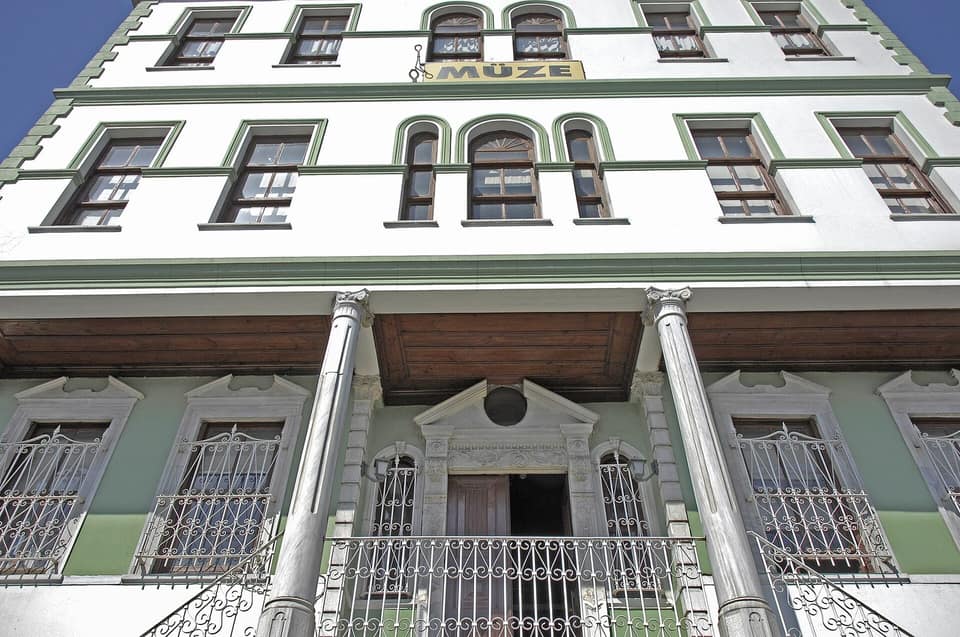
The mansion dates from the late 19th century. According to Kültür Portalı, it was built by Halil Paşa, who served as district governor during the reign of Sultan Abdülhamid II. The same source notes that the mansion was raised on the foundations of an earlier church. After restoration, the mansion opened to visitors as a museum in 1998. At the entrance, the ornate doorway beneath a porch carried by two slender columns and the windows behind iron grilles show at once that this is an elegant example of an Ottoman town house.
The logical order for a visit is from the ground floor upwards. According to Kültür Portalı, the ground floor displays Hellenistic, Roman and Byzantine works collected in and around Ereğli. Marble grave stelae, figured marble column capitals, glass vessels, jewellery, oil lamps and metal objects form the main group on this floor. The first floor holds terracotta amphorae and coins from the Lydian, Greek, Roman, Byzantine, Abbasid, Umayyad, Sassanid, Artuqid, Seljuk and Ottoman periods. The coin cases offer a small-scale way of following which states drew this Black Sea port into their trade networks over the centuries.
The second floor is devoted to the everyday life of the local people. Here you will find men's and women's clothing, weaving tools, handkerchiefs, bundle wrappers and covers, weapons, seals, clocks, kitchen utensils, measuring and weighing tools and manuscripts. The most striking material on this floor is elpek, a weave unique to Ereğli. According to the Zonguldak Provincial Directorate of Culture and Tourism, elpek cloth was woven from linen thread on hand looms called "düzen". The same source explains that, in the humid Black Sea climate, linen protected the body from damp, so it was used for clothing for centuries. The weave was close to disappearing in the 1940s and 1950s and was revived through local initiatives after 1995. Keeping this long tradition in mind while looking at the threads and fabrics in the cases makes the display far more meaningful than a list of objects.
The third floor is arranged as a house museum. According to Kültür Portalı, you walk in turn through a sitting room, a guest room, a daily room and a bedroom furnished in the Ottoman manner. The layout of the rooms shows vividly how the mansion was once lived in and in which spaces daily life unfolded in old Ereğli homes. Pausing for a few minutes at the windows to look out over the town and the shore is also a pleasant part of the visit.
The museum garden is an open-air exhibition in its own right. Column capitals, column shafts, bases, sarcophagi and architectural fragments from the Greek, Roman, Byzantine, Seljuk and Ottoman periods stand here. The garden's best-known piece is the marble funerary monument of the pantomime artist Krispos. According to a study published by two archaeologists from Uludağ and Düzce universities, the monument is 2.20 metres high in total and carries a Greek inscription of 19 lines. The same study says the monument came to light in 1974 during roadworks at Göztepe Meydanbaşı and was first published by Sencer Şahin. The inscription tells how Krispos, who came from Egypt, won the first victory wreath in a rhythmic tragedy contest and died at the age of twenty-nine. Do not forget to look closely at the small Corinthian columns and the bust niche in the temple-shaped upper section.
Allow at least an hour to see the museum without hurrying. Since the floors are reached by stairs, visitors who find walking difficult should take this into account in advance. Opening and closing hours and visiting conditions can change seasonally, so check the current information on the official page of the museums website. Cehennemağzı Caves, which the museums website lists among the nearby sites, can easily be visited on the same day as the museum. Walking along the coastal road down to the harbour area completes the picture of the ancient city you have seen in the museum with its present-day face.
Comments
Loading...
Location - Karadeniz Ereğli Müzesi (Halil Paşa Konağı)
Venue Info
AddressOrhanlar Mah. Yalı Caddesi No:96, Ereğli / Zonguldak
VenueEreğli / Zonguldak, Zonguldak
TypeHistorical & Cultural Sites