

Shopping & GiftsTraditional Bazaars & Markets
Kaleiçi Çarşısı
No ratings yet
Sign in to like and rate
Kaleiçi Bazaar
About Venue
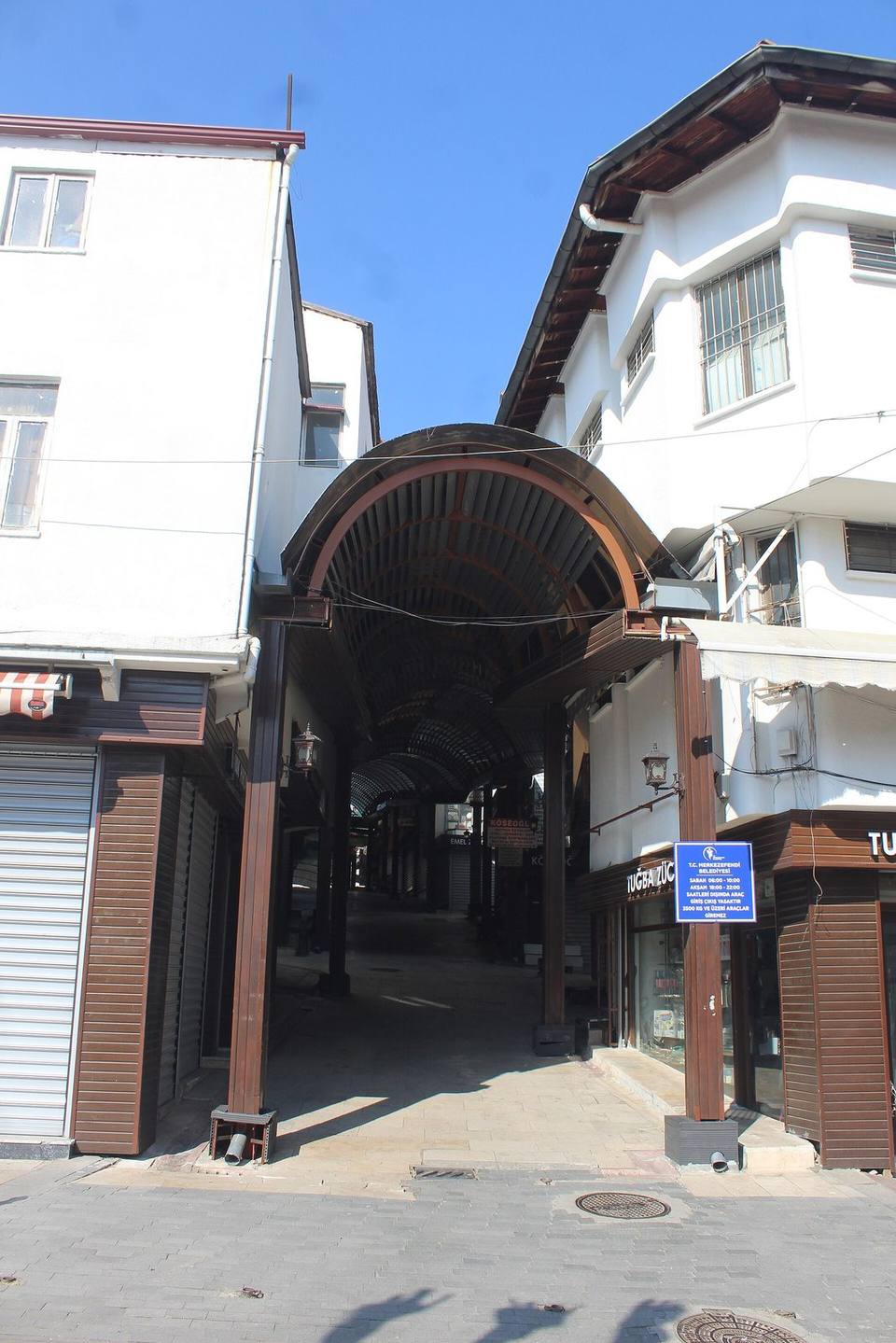
Kaleiçi is the historic bazaar quarter of Denizli, lying between Saraylar neighbourhood and Bayramyeri in the Merkezefendi district, and it is still alive with shops today. The Provincial Directorate of Culture and Tourism writes that after the Turks took the region, the city centre was moved to today's Kaleiçi because of its abundant water. The same source describes it as a shopping area founded as an inner castle and regarded as the first core of Denizli. The Seljuk governor Karasungur bin Abdullah is named as the probable founder of Denizli Castle, built to gather and protect the townspeople. A date between 1243 and 1250 is proposed for the castle, while the outer castle is thought to have been destroyed in the fighting of 1291.
With its outer walls gone, Kaleiçi covers a roughly rectangular area about 280 metres long and 160 metres wide. According to a plan drawn by a French topographer in 1926-1930, the shops, except on the southern side, were lined up in a single row against the castle wall. In the south, the Bayramyeri Gate opened onto the busiest shopping axis, Tuhafiyeciler Street, together with the Hasırcılar and Yemişçiler lanes. In front of the Dörtçeşme Gate lay the Women's Market, the Linen Market and Bostanpazar, in the north the Hal Gate and Çilingirciler Street, and in the east the Demirciler Gate and the Grain Market. Names such as Hasırcılar, Çilingirciler and Demirciler reflect the old order in which the bazaar was divided by trade.
On the Dörtçeşme side, a stretch of wall about 50 metres long has been uncovered and in places still stands three to four metres high. The walls are built of travertine blocks set in lime mortar, with small stones and brick fragments placed between the courses. Some sections reuse marble architectural pieces and even a fragment of a sarcophagus lid, and the travertine blocks are said to resemble those used in the buildings of Laodikeia. Excavations here have also produced Byzantine glazed ceramics, terracotta pipes that brought water from Başpınar, and a decorated marble lintel fragment in the style of the 10th and 11th centuries.
Architectural research notes the view that the fabric of Kaleiçi grew along axes linking the gates that opened onto caravan roads reaching the city from different directions. After the railway station was built outside the walls in 1891, the new İstasyon Avenue tied the old bazaar to the new city centre through Bayramyeri Square. For this reason Bayramyeri is read as a threshold and meeting point between the historic bazaar and the modern city. Today shops selling textiles, shoes, and copper and iron crafts carry on in the bazaar, and restaurants serving Denizli kebab are found in the area between Kaleiçi and Bayramyeri.
A good sequence is to enter from the Bayramyeri side, walk the main axis and then turn towards Dörtçeşme to look at the uncovered city wall. Weekday daytime hours, when the shops are open, are the best time to see the bazaar at its liveliest. Since it is right in the city centre, it is easy to reach on the municipal buses and minibuses that run to Bayramyeri; check current routes with the operating authority.
Comments
Loading...
Location - Kaleiçi Çarşısı
Venue Info
AddressSaraylar Mahallesi, Bayramyeri, Merkezefendi, Denizli
VenueMerkezefendi, Denizli
TypeShopping & Gifts