

Historical & Cultural SitesCastles & Palaces
Kaiser II. Wilhelm Köşkü
No ratings yet
Sign in to like and rate
Kaiser Wilhelm II Pavilion
Hacı Akif Mahallesi, Hereke Cumhuriyet Caddesi No:10, Körfez/Kocaeli
Körfez, Kocaeli
Get DirectionsApple MapsAbout Venue
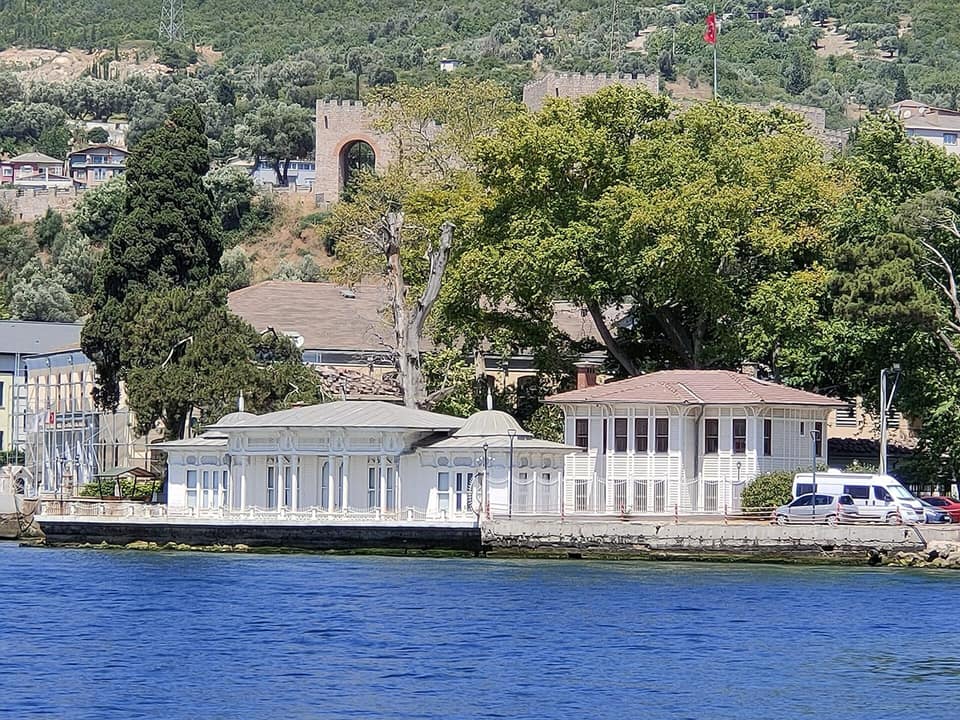
The Kaiser Wilhelm II Pavilion is a wooden pavilion standing on the shore of Hereke, a town in the district of Körfez, right next to the historic carpet and silk weaving factory. It is also popularly known as the Nailless Pavilion, and today it is open to visitors as a museum pavilion run by the Directorate of National Palaces.
The story of the pavilion begins with the Hereke Fabrika-i Hümayun, founded in 1843. The factory was set up to weave silk upholstery and curtain fabrics for the palaces, and when carpet weaving units were added in the reign of Sultan Abdülhamid II, Hereke carpets won international fame. With this fame, it was felt unfitting to host foreign guests visiting Hereke in barracks, and it was decided to build a pavilion worthy of the factory.
The pavilion was prepared on the orders of Sultan Abdülhamid II ahead of the 1898 visit of the German Emperor Wilhelm II. Its parts were quickly prefabricated at Yıldız Palace, carried to Hereke by sea and assembled on site in a single day. According to the Körfez Municipality, Emperor Wilhelm II, Empress Augusta Victoria and other foreign guests were received in the pavilion, and the guests were presented with Hereke weavings such as silk prayer rugs, carpets and fabrics. The emperor is said to have given the pavilion an insect collection in return.
Although it is not certain, the design of the building is attributed to the Italian architect Raimondo D'Aronco. Boatbuilding techniques were used in its construction and not a single metal nail was driven, which is where the name Nailless Pavilion comes from. The most striking feature of the entirely wooden pavilion is its many doors opening onto both the sea side and the land side. With its gently pitched roof and domes on either side, the pavilion is a symmetrical building made up of three parts, an entrance, a salon and a room, connected by double doors. Hereke carpets and silk upholstery and curtain fabrics were used in the interior, and the bergere style suite of armchairs in the salon is thought to date from the early 20th century.
The factory, which operated under Sümerbank in the Republican period, was attached to the National Palaces in 1995. It still continues production today as a museum factory and reweaves lost original fabric patterns for the palaces, but the factory building is closed to visitors. Visitors can tour the pavilion's salons opening towards the sea and the land.
The restored Hereke Castle rises on the slope just behind the pavilion, so the two buildings can be seen together on the same walk. Seen from the shore, the white wooden facade of the pavilion, its domed roof and the castle walls behind fit into a single frame. Hereke can be reached by scheduled services from the bus terminal in İzmit and by the Hereke public buses departing from the city centre. For visiting hours, closing days and ticket information, check the current announcements of the Directorate of National Palaces.
Comments
Loading...
Location - Kaiser II. Wilhelm Köşkü
Venue Info
AddressHacı Akif Mahallesi, Hereke Cumhuriyet Caddesi No:10, Körfez/Kocaeli
VenueKörfez, Kocaeli
TypeHistorical & Cultural Sites