

Religious & Spiritual PlacesMosques
İplikçi Camii
No ratings yet
Sign in to like and rate
Iplikci Mosque
About Venue
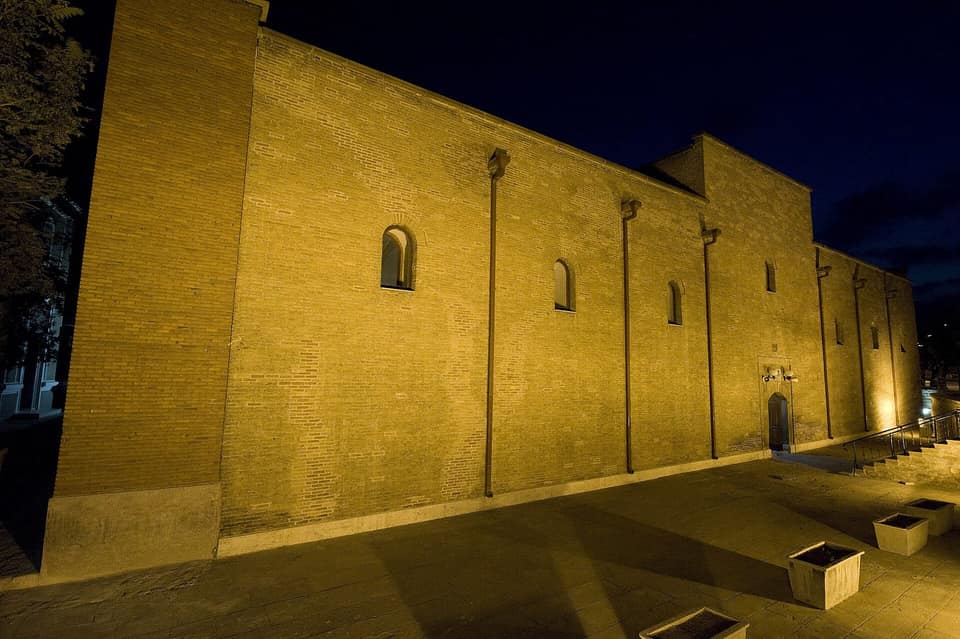
The İplikçi Mosque stands on Mevlana Avenue, east of Alaeddin Hill, and is counted among the early examples of Seljuk religious architecture in Konya. Its first construction goes back to the early 13th century, and the building was known first as the Ebülfazl Mosque after its original founder and later as the Ahmed Bey Mosque because of its revival. The mention of İplikçi Necibüddin Ayaz as trustee in the 1202 endowment deed of the Altun-aba Madrasa that once stood next to it, and the presence of the Yarn Sellers' Market nearby, are taken as the origin of its present name. Opinions differ on the first founder of the mosque; one view points to Ebü'l-Fazl Abdülcebbar of Tabriz, another to Altun-aba, who founded the madrasa.
According to the inscription over its door, the building was enlarged and renewed in 1333 by Hacı Ebubekir. An endowment deed dated 1431 states that Ebülfazl Ahmed Bey, son of Turgut, revived the mosque once more. After a fire left it in ruins, the mosque was repaired before 1584 by a merchant named Hacı Emrullah. Because the surrounding streets rose over time, the building now sits in a hollow, and its facade walls and the base of its minaret have also been raised. Given its final form in a restoration in 1945, the building served from 1951 as the classical works section of the Konya Museum and reopened as a mosque in February 1960.
The rectangular plan of about 30 by 40 metres follows the layout adopted in 13th-century Seljuk mosques. Seven aisles running perpendicular to the prayer wall form three transverse corridors beneath a roofing system linked by arches. The three domes lined up on the axis that connects the main entrance with the prayer niche are the most characteristic feature of the plan, and the two domes after the entrance are rare examples because of their oval shape. The walls use courses of cut stone and brick in places, and the interior is lit by high, regularly spaced windows. Beneath the 19th-century Baroque prayer niche visible today and beneath the floor lie the remains of the original Seljuk prayer niche, decorated with turquoise, purple and navy blue tiles.
The present appearance of the mosque, which from outside looks like a plain and massive brick block, is quite different from the domed form seen in old photographs. The mosque is open for worship, so visitors should choose times outside prayer hours and keep quiet inside. It can be seen on the same walk as the Sırçalı Medrese and the other Seljuk buildings around Alaeddin Hill.
Comments
Loading...
Location - İplikçi Camii
Venue Info
AddressMevlana Caddesi, Sahibata Mahallesi, Konya
VenueMeram, Konya
TypeReligious & Spiritual Places