

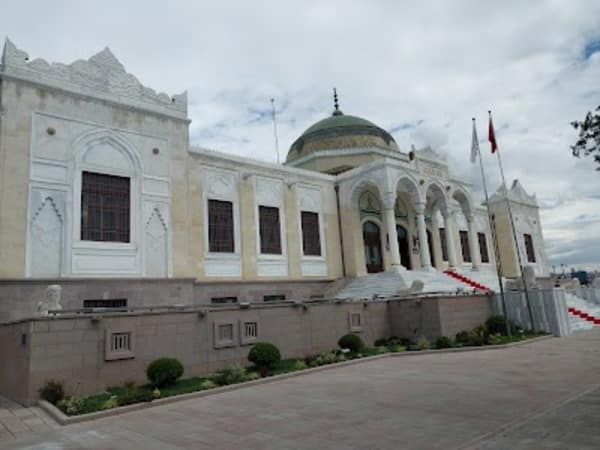
Etnoğrafya Müzesi
Sign in to like and rate
Ankara Ethnography Museum: In Pursuit of Turkish Culture
About Venue
One of the most important museums in Ankara, the Etnography Museum offers its visitors a historical journey with its artifacts reflecting the rich heritage of Turkish culture. The museum, which was decided to be established in 1925 as one of the first museums of the Republic period, was opened to visitors in 1930.
The museum building is located on Namazgâh Hill, south of Ankara Castle, and is a magnificent structure that draws attention with its stone craftsmanship inspired by Seljuk and Ottoman architecture. Since its opening, the museum has exhibited the finest examples of Turkish art and houses rare artifacts belonging to Turkish-Islamic culture.
The Etnography Museum has a wide collection of manuscripts, calligraphy works, traditional clothing, carpets and kilims, wooden carvings, metal and ceramic artifacts from the Ottoman and Seljuk periods. These artifacts collected from different regions of Anatolia showcase the lifestyle, art, and craftsmanship of the Turkish people.
The historical significance of the museum is not limited to the exhibited artifacts. It served as the temporary grave of Mustafa Kemal Atatürk until 1953, following his death on November 10, 1938, which is one of the most important aspects that makes this place special. When Atatürk's remains were moved to Anıtkabir in 1953, this area was organized as a symbolic mausoleum.
Today, the museum, renewed with a modern understanding of museology, is a cultural treasure for history enthusiasts. The Ankara Etnography Museum is a must-visit for anyone who wants to get to know Turkish art and culture more closely, offering a unique experience for those wishing to explore Turkey's cultural heritage.
Comments
Loading...