

Bursa Arkeoloji Müzesi
Sign in to like and rate
Bursa's Thousands of Years of History: Bursa Archaeology Museum
About Venue
The Bursa Archaeology Museum, located within the Kültürpark of Bursa, is one of the most important museums that showcases the rich history of the region. Established in 1904 and moved to its current location in 1972, this museum takes its visitors back thousands of years by exhibiting artifacts obtained from archaeological excavations in Bursa and its surroundings.
The Museum's Collection and Exhibited Artifacts
The museum contains a large number of artifacts that span a wide historical range from the Paleolithic Age to the Byzantine period. The collection consists of stone, ceramic, metal, and glass objects excavated from ancient settlements in Bursa and its vicinity.
🗿 Important Artifacts from the Stone Age to the Roman Period:
- Stone tools from the 7th millennium BC
- Jewelry and everyday objects from the ancient Lydian and Phrygian civilizations
- Statues, tombstones, and sarcophagi from the Roman period
- Mosaics and religious artifacts from the Byzantine period
🏺 Highlighted Artifacts:
- The Roman period sarcophagi excavated from İznik provide important insights into the artistic and religious beliefs of the time.
- Figurines of goddesses and gods brought from the regions of Mysia, Bithynia, and Phrygia are quite valuable for understanding ancient Anatolian cultures.
- Gold, bronze, and silver coins demonstrate Bursa's strategic position on historical trade routes.
What Does the Museum Offer to Visitors?
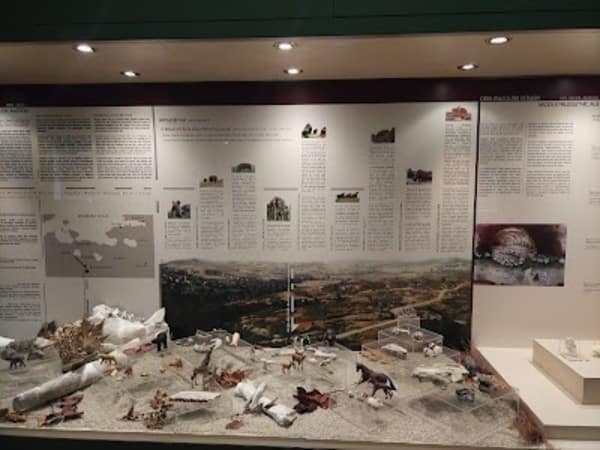
- Informative exhibition panels provide detailed explanations about the artifacts.
- Large stone artifacts, sarcophagi, and inscriptions are displayed in the open-air exhibition area.
- Educational activities and children's workshops are organized for young visitors interested in history.
The Bursa Archaeology Museum offers a unique source of information for anyone interested in exploring the history of Bursa and its surroundings, following the traces of ancient civilizations, and delving into archaeology.
Comments
Loading...