

Historical & Cultural SitesMuseums
Burdur Müzesi
13
No ratings yet
Sign in to like and rate
Burdur Museum
About Venue
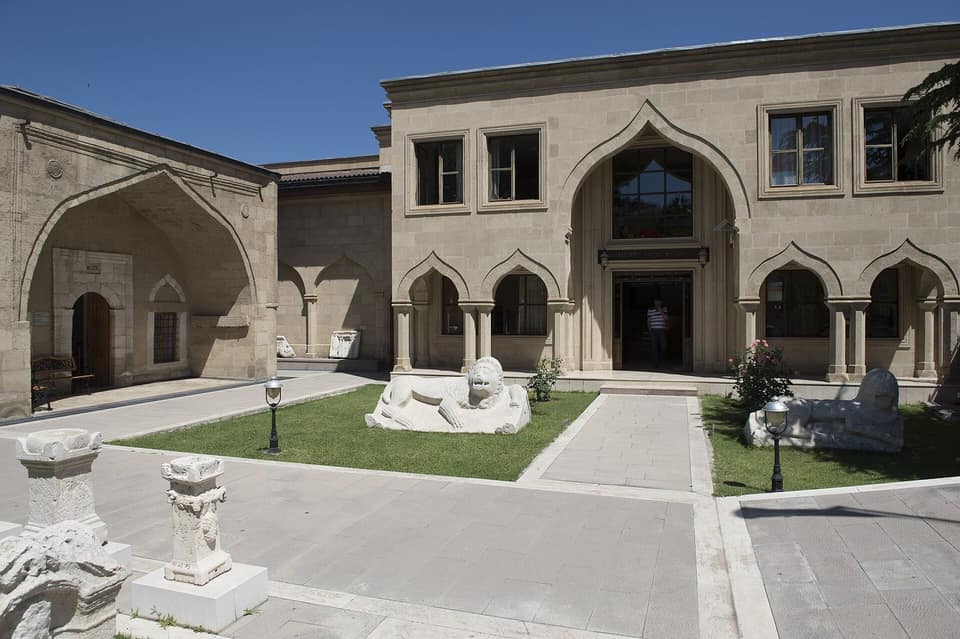
The Burdur Museum is an archaeological museum in the centre of Burdur that gathers the province's archaeological heritage under a single roof. The Culture Portal gives its location as Konak neighbourhood, while the museum directorate's official address is Halk Pazarı Street in Özgür neighbourhood; both describe the same walkable area of the city centre. The core of the museum formed in 1956, when old artefacts from Burdur and its surroundings were gathered in the library building, the only surviving structure of the Bulguroğlu (Pirkulzade) Madrasa. The exhibition halls opened to visitors on 12 June 1969. When the building became inadequate, a new site was expropriated in 1992 and the foundation of additional exhibition halls was laid in 2001.
The new administration building, conference hall and other units were built in the same architectural style, modelled on the library building. That library is recorded as an Ottoman structure dated to 1240 in the Hijri calendar. As you enter, notice that the historic core and the later additions speak the same architectural language. According to the Culture Portal, the museum received the Museum Worth Seeing award in 2008. For the number of objects, sources give figures from more than 60 thousand to over 65 thousand; the difference shows that the count changes over time and by method.
The collection covers about 9 thousand years, from the aceramic Neolithic, that is the 7th millennium BCE, to the present day. Burdur's position in Pisidia reflects the shared features of the Mediterranean, Aegean and Central Anatolian civilisations, and the objects in the museum show this blend. The finds come from the mounds of Hacılar, Kuruçay and Höyücek and from the excavations of the ancient cities of Boubon, Kibyra and Sagalassos. Objects acquired by confiscation or purchase are also part of the collection. For planning your visit, the easiest way to read the museum is to follow the three sections of the entrance floor in order.
The first section of the entrance floor holds finds from the Sagalassos excavations. Colossal statues of the Roman emperors Hadrian and Marcus Aurelius are displayed in this section. The second section contains the hunting-scene friezes from the Kibyra excavations. The third section holds nine marble statues recovered from the Kremna excavation. On the upper floor, finds from the Neolithic and Early Chalcolithic ages and works of the Early Bronze Age are displayed.
One of the best-known pieces in the museum is the Dancing Girls Frieze. It was found at Sagalassos in the middle part of the northwestern heroon, a monumental tomb, carved at almost life scale. In the frieze, thirteen girls form a line dance while one of them plays a zither-like instrument. The frieze dates between 10 BCE and 10 CE. The sundial found in the excavation in front of the heroon at Sagalassos dates to the 2nd century CE; it is a ring set at a 60-degree angle on a lion-footed base. The name of the person who commissioned the clock is written on the edge of the ring, but the fixed indicator rod inside it is missing.
The lower floor displays the statues of the Antonine Fountain. The two Dionysos and Satyr sculpture groups stood in the large aediculae on either side of the fountain and date to the 2nd century CE. The records describe these groups as the most distinctive sculptures of the fountain. The central niches held the statues of Nemesis, Asklepios, Koronis, Apollo and Hygieia. Looking at the sculptures as works of art is a good way to follow the carving craft and the folds of the drapery. A marble Satyr statue, thought to have stood in the niche on the upper level of the Hadrian Fountain, is also displayed in the museum.
The museum also holds ostothekes that show Sagalassos's burial tradition; they date to the Early Imperial period. The sarcophagus lid found at Karaçören belongs to the 2nd to 3rd centuries CE. In the kline scene on the lid, a husband and wife who symbolise the owners of the tomb are shown reclining. The Hacılar vessels come from the settlement of Hacılar, about 25 kilometres west of Burdur. According to the Culture Portal, settlement there has been identified from the 6500s BCE, and the people are understood to have made their own pottery and developed mud-brick architecture. Hacılar pottery shows zigzags, geometric forms, painted triangles, wavy lines, dots and animal figures; the source counts this pottery among the distinctive works of art of its period.
Visiting the museum before the sites in Burdur gives you a preliminary reading for Sagalassos, Kibyra and Kremna alike. The Burdur Museum is mentioned together with the Sagalassos and Kibyra sites that the same directorate manages. Entrance fees and opening hours can change; check muze.gov.tr and the annual visiting-hours list of the provincial directorate of culture and tourism for current information. For the rules on photography inside the museum, it is best to ask the staff at the entrance. Allow enough time to read the display cases one by one, because each hall tells of a different age and a different city.
Comments
Loading...
Location - Burdur Müzesi
Venue Info
AddressÖzgür Mh. Halk Pazarı Cd. No:3, Burdur
VenueBurdur Merkez, Burdur
TypeHistorical & Cultural Sites