

Natural BeautiesLakes & Waterfalls
Burdur Gölü
No ratings yet
Sign in to like and rate
Lake Burdur
About Venue
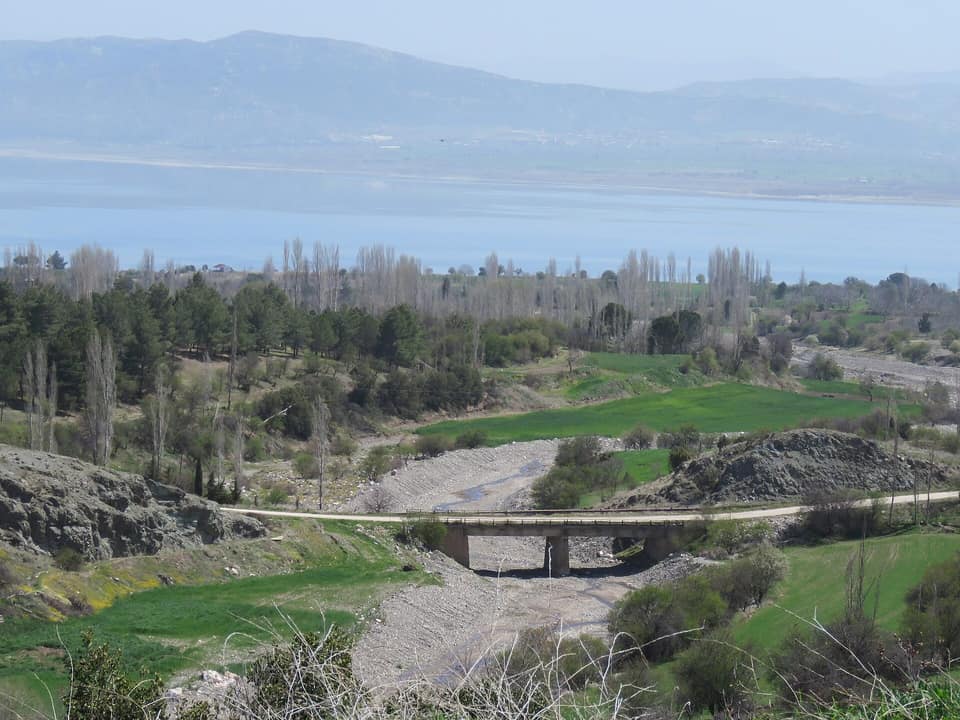
Lake Burdur is a large lake stretching to the west of the city of Burdur. According to the Culture Portal, the lake lies within a quite wide basin. It extends in a southwest-northeast direction and is 34 kilometers long. Its deepest point is given as 110 meters. The same source gives its surface area as 186 square kilometers. Other sources give different figures for the area and the depth; this difference can be explained by the lake's water level changing over the years.
According to a news item from Isparta University of Applied Sciences, the lake is a Ramsar site attached to the 6th Regional Directorate of the Ministry of Agriculture and Forestry. The same area is also protected as the Burdur Lake Wildlife Development Area. It has been reported that 300 kinds of bird species have been identified in the area. The endangered white-headed duck spends the winter months on this lake. The coot is present in summer and winter, and the little grebe in winter. The Culture Portal also writes that many birds, above all white-headed ducks and flamingos, spend the winter season on the lake. Yellow-legged gull, grey heron, black-necked grebe and mallard have also been recorded in the observations.
No fish live in the lake except the endemic Aphanius burduricus, which lives only in Lake Burdur. This small fish is a species living in the salty water of the lake. Because of the beaches on the southwestern shore, the lake was used as a picnic place and beach by the people of Burdur until the 1980s. The Culture Portal presents the lake as one of the lakes suitable for sailing. Water sports and wildlife observation are listed as the activities that can be done.
In the Burdur Lake basin, the most important source of income for the people is farming and livestock. According to the university news, water use in the region is quite high. Dams have been built on the streams feeding the lake, and wells have been drilled to draw on groundwater. For these reasons it has been stated that the water inflow feeding the lake is restricted and its salinity has risen. The same source reports that the lake ecosystem has been negatively affected and that numbers of some bird species have fallen. For a visitor this means that the shoreline and water level may look different from year to year.
The news item states that the whole lake area is under state disposition, while the lands around it belong to the treasury, to private owners and to village legal entities. So when approaching the shore, watch for private land and marked areas. In the same field study, Serenler Tepesi Nature Park was visited after the lake area. The news says that this area was formerly a picnic area, later received nature park status, and covers 380 decares in total.
To avoid disturbing birds, observe from a distance and avoid making noise. In winter, binoculars or a telescope make it easier to watch species such as the white-headed duck. Because the lake extends from southwest to northeast, the direction of light changes during the day; morning and evening hours suit photography. There may be little shade on the open shore, so carry a hat and water in summer. To get there, go by car from the center of Burdur to the lakeshore. Ask the Burdur Governorship or the 6th Regional Directorate of Nature Conservation and National Parks about current access and permission. After visiting the Burdur Museum, seeing the lake and then continuing to Salda is a sensible order.
Comments
Loading...
Location - Burdur Gölü
Venue Info
VenueBurdur Merkez, Burdur
TypeNatural Beauties