

Historical & Cultural SitesMuseums
Bolu Müzesi
8
No ratings yet
Sign in to like and rate
Bolu Museum
Karamanlı Mahallesi, Stadyum Caddesi, Kültür Sitesi, Bolu Merkez
Bolu Merkez, Bolu
Get DirectionsApple MapsAbout Venue
Bolu Museum is a state museum in the Culture Complex in the city centre, bringing together archaeological and ethnographic finds from Bolu and its surroundings. The institution's history begins in 1975, when a Museum Office was set up in the city. After working for a while in the former Fine Arts Gallery building, the office moved to the Bolu Culture Centre in 1976. It became a Museum Directorate in 1977 and, once the exhibition layout was completed, opened to visitors on 14 November 1981. The museum is on the ground floor of the Culture Centre building and consists of two halls, one for archaeology and one for ethnography.
According to the Provincial Directorate of Culture and Tourism, the museum holds a total of 16,003 objects. Of these, 2,953 are archaeological and 1,683 are ethnographic; with 11,367 pieces, coins form the largest group in the collection. These figures show that the museum is not just a showcase but a broad archive of the province's past.
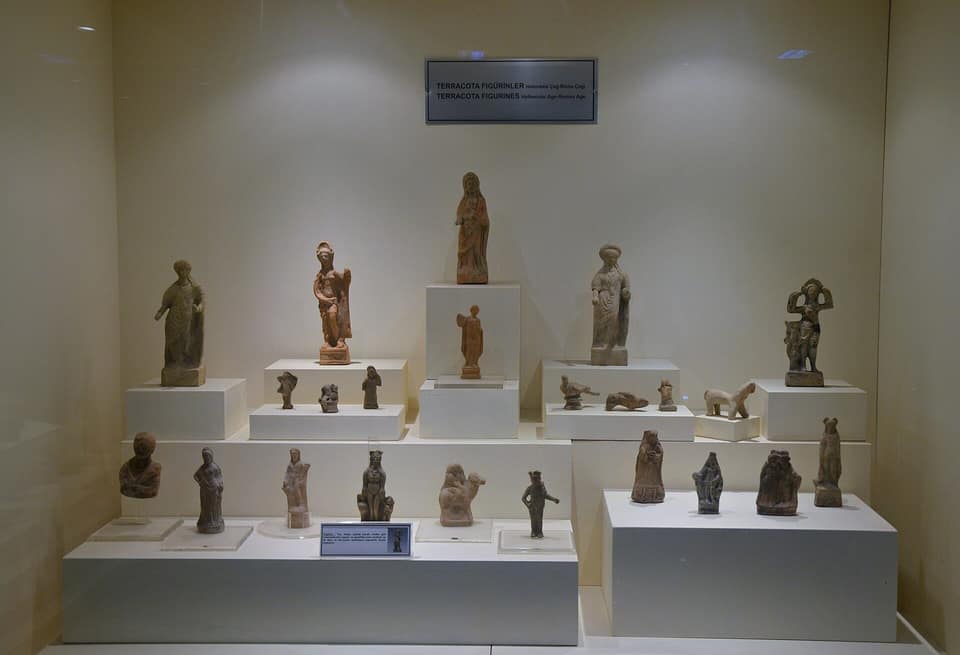
The archaeology hall is visited in chronological order. The display cases hold works that begin with the Neolithic Period and the Early Bronze Age and run through the Phrygian, Urartian, Lydian and Greek periods to the Roman and Byzantine periods. The objects are made of marble, glass, metal and terracotta. The most striking pieces in this hall are the Roman marble sculptures and the terracotta and glass grave goods. Knowing that Bolu was a city called Claudiopolis in Roman times helps explain why these sculptures are so rich.
One of the most valuable works in the hall is a bust of Artemis made of crystalline white marble. The Directorate dates the work to the 2nd century AD of the Roman Imperial Period, the Antonine era. The bust is larger than life size and, as the roughly worked conical base below the neck shows, it is the head of a large statue that stood in a sacred precinct in the city. In antiquity its hair was coloured with a reddish brown paint, and traces of gilded paint can still be seen here and there on the hair. The deep hollows carved for the eye sockets are one of the most striking details of the work. When you stand in front of the bust, look first at the traces of paint and then at the smooth surface of the face; this surface is the result of a polishing technique done with pumice stone.
The bust of Hermes in the same hall is also of crystalline white marble and is dated to the 2nd century AD, the reigns of Trajan and Hadrian. It was found in the early 1980s during foundation digging at a spot locally called Kargatepe, within the bounds of Akpınar Neighbourhood in central Bolu. It carries Archaic period features such as three rows of snail shell shaped curls above the forehead, a long wavy beard and thick eyelids. It is placed in the group known in archaeological literature as the Ephesus type. The archaeology hall also has a rich coin section displaying bronze, silver and gold coins of the Greek, Roman, Byzantine and Islamic periods. The Culture Portal singles out the Ottoman period hoards and the Greek city coins in this section as especially appealing pieces.
The ethnography hall focuses on the recent past, the 19th century and the first half of the 20th century. Here the local crafts on display include Mudurnu needle lace, Kıbrıscık costumes, farming tools, jewellery, key and weapon collections and various textiles. Sections recreating a henna night in Bolu and the kitchen and sitting room of an old Bolu house show how daily life was arranged. The section recreating the drum and shawm band of Merkeşler Village is one of the liveliest corners of the hall. For anyone planning to go to Mudurnu or Göynük, this hall offers a good introduction to the crafts they will see in those towns.
The museum garden is laid out like an open air museum, with large stone works on display. A short tour of the garden before or after the indoor halls rounds off the visit. As the museum is in the city centre, it can be visited on the same day as Taşhan and the historic market area around it. Opening hours and closing days may change, so check the museum's current information on the official pages of the Ministry of Culture and Tourism before your visit.
Comments
Loading...
Location - Bolu Müzesi
Venue Info
AddressKaramanlı Mahallesi, Stadyum Caddesi, Kültür Sitesi, Bolu Merkez
VenueBolu Merkez, Bolu
TypeHistorical & Cultural Sites