

Historical & Cultural SitesArchaeological Sites
Beycesultan Höyüğü
No ratings yet
Sign in to like and rate
Beycesultan Mound
About Venue
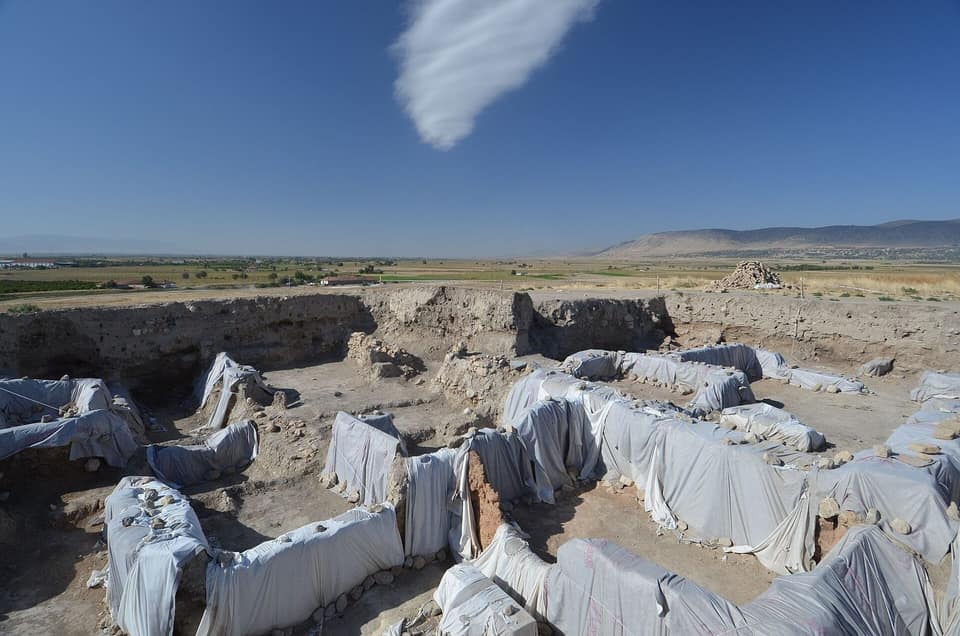
Beycesultan Höyük is a large settlement mound rising on the Çivril Plain, southwest of the district centre and just west of the Denizli-Çivril highway. Made up of two adjoining hills, the mound is described as one of the large mounds that best reflect the prehistoric periods of Western Anatolia. The mound measures about 800 metres across from east to west and rises about 25 metres above the plain. It takes its name from Beyce Sultan, who lived in and around Çivril between the second half of the 13th century and the early 14th century.
The first excavations were carried out in the 1950s by the British archaeologists Seton Lloyd and James Mellaart, uncovering 40 cultural layers from the Late Chalcolithic Age to the end of the Late Bronze Age. After a long break, excavations resumed in 2007 under Prof. Dr. Eşref Abay on behalf of the Department of Archaeology of Ege University. In this new phase the Seljuk-Beylik, Byzantine, Late and Middle Bronze Age layers have been studied in detail.
The earliest settlement on the mound belongs to the Late Chalcolithic Age; clay hearths, ovens and grain bins were found in the one or two-room rectangular houses of this period. In the Early Bronze Age the settlement was surrounded by a defensive wall about one metre thick, and houses were built on the plan with a front room known as the megaron. The monumental Middle Bronze Age palace is known as the Burnt Palace because it was destroyed by fire, and a section of about 70 by 55 metres has been excavated. In the Late Bronze Age the settlement took on the appearance of a planned town, with gravel-paved streets and houses arranged in order along them.
In the Byzantine layers of the 11th-12th centuries, houses, storerooms, silos and stables were uncovered, and a gold alloy coin dated to 1078-1081 was found in one room. The latest layers belong to the Seljuk-Beylik period, and this level yielded many pottery fragments and a terracotta horse figurine. Idols, terracotta vessels and ritual vessels from the mound are displayed in the Pamukkale Hierapolis Archaeology Museum.
According to recent measurements the summit of the mound stands 841 metres above sea level, and from here you can look out over the wide Çivril Plain and the surrounding mountains. As the mound is an archaeological site with ongoing excavations, do not enter the trenches and stay outside the marked areas. As the site is open land, bring comfortable shoes, a hat and water. Combining the visit with the Beycesultan display in the museum makes it easier to understand the layers and finds of the mound together.
Comments
Loading...
Location - Beycesultan Höyüğü
Venue Info
AddressKocayaka, Çivril, Denizli
VenueÇivril, Denizli
TypeHistorical & Cultural Sites