

Natural BeautiesNational Parks
Belen Geçidi Tabiat Parkı
6
No ratings yet
Sign in to like and rate
Belen Pass Nature Park
About Venue
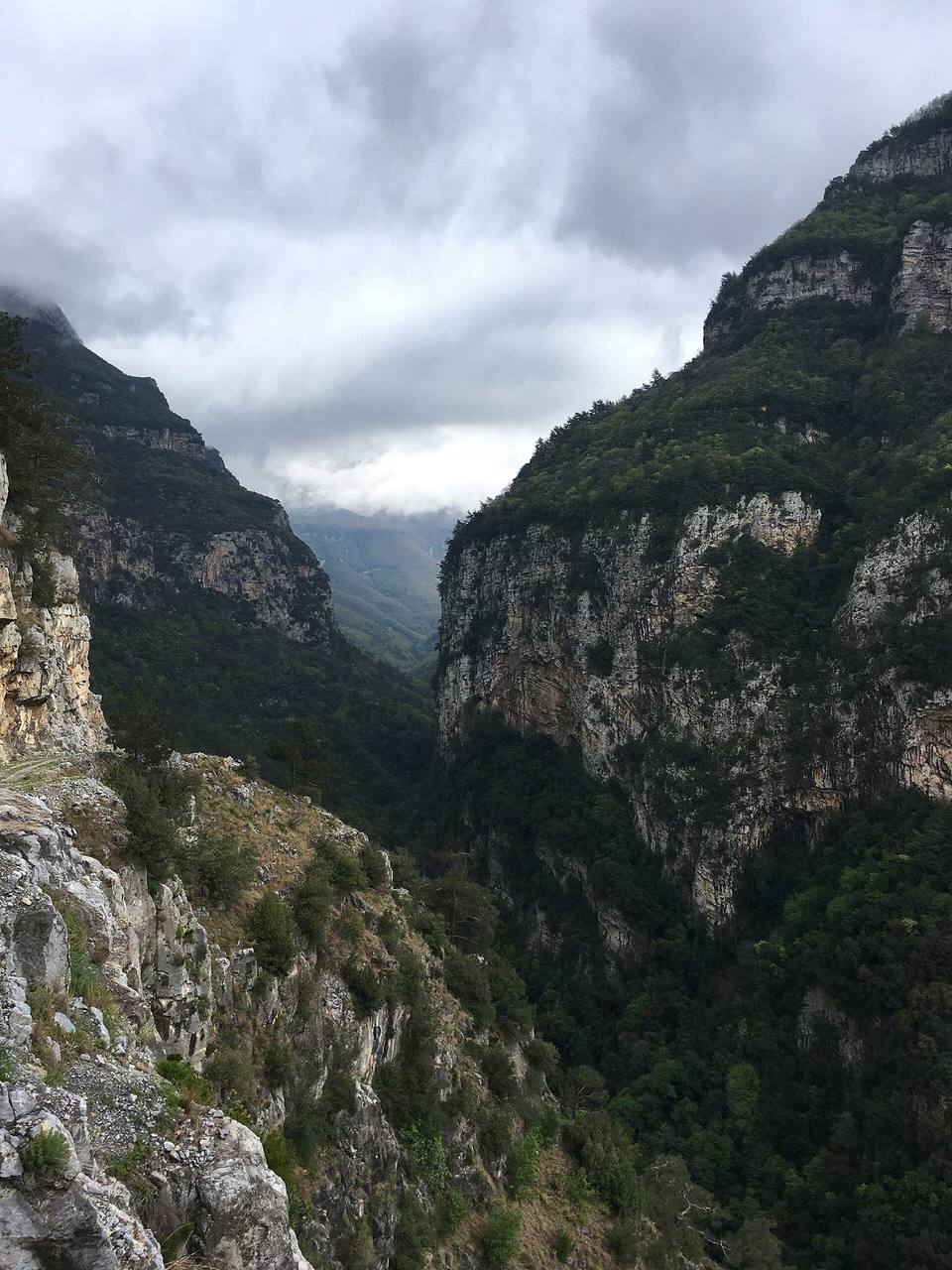
Belen Pass Nature Park is a protected natural area in the Belen district of Hatay, set inside the historic pass that crosses the Amanos Mountains. The area was registered as a nature park on 9 April 2014. Today the park is one of the protected areas administered by the 7th Regional Directorate of the General Directorate of Nature Conservation and National Parks. According to the national parks authority, the park covers 45 hectares. It lies about 5 kilometres from the centre of Belen, 15 kilometres from İskenderun and 50 kilometres from Antakya. Because it sits within the Belen Pass, at an altitude of about 740 metres, the park is a fine spot both for views and for birdwatching.
To understand the importance of the pass, it helps to look first at the shape of the mountains. The Governorship of Hatay writes that the Amanos range stretches like a wall for 150 kilometres at a height of about two thousand metres. According to the same source, this rugged range drops to between 600 and 700 metres only at Belen. A study published in the Eastern Geographical Review explains that the pass lies at the saddle between Çobandede Hill and Karlık Hill. According to the same study, the Amik Plain can be seen to the east of the pass, while a view of the Mediterranean opens to the west of Belen. This view in two directions is what most visitors to the park come looking for.
Historically the pass is the natural route linking the shore of the Gulf of İskenderun to the Amik Plain, and from there to Syria and Mesopotamia. The geographical study describes Belen, together with the Cilician Gates, as one of the two key passes connecting Anatolia with the Middle East. The same source stresses that armies, trade caravans, travellers and couriers have passed this way throughout history. According to the Governorship of Hatay, in the Ottoman period the pass lay on the route of the surre processions travelling from Istanbul to the Hejaz. After Adana and Misis these processions reached Aleppo by way of Kurtkulağı, Payas, Belen and Antakya. The Governorship also notes that the settlement was named Belen in the Turkmen dialect because of its rugged, steep terrain. Today the D-817 highway between İskenderun and Antakya runs through the same pass, and a stretch of about 4 kilometres of the pass lies on this road.
The real value of the park is bird migration. The General Directorate of Nature Conservation and National Parks describes the Belen Pass as one of the few bottlenecks in Türkiye and in the world for migrating soaring birds. The same authority states that one of the most important bird migration routes in the Western Palearctic passes through this gap. Belen Municipality likewise states that the pass lies on one of the three important bird migration routes between Europe and Africa. In a field survey carried out by the authority in spring 2015, the migration of buzzards, kestrels, lesser spotted eagles, cranes and storks was observed. The two-day survey in early March 2015 recorded about one thousand five hundred storks passing over.
Outside the migration months the park is far from silent. The authority's first field survey recorded resident and wintering species such as the raven, carrion crow, rock thrush, greenfinch, coal tit and chaffinch. The goldfinch, crested lark, masked shrike and blackbird also appear on this list. Camera traps placed in the area additionally recorded a fox and a tortoise. Most of the vegetation is Turkish red pine forest. Beneath the trees, characteristic species such as kermes oak, terebinth, broad-leaved phillyrea and Greek strawberry tree grow in places. The geographical study notes that Lebanon cedar also occurs here and there on the higher parts of the Amanos range.
Culturally, too, the area is an old place of rest. In his Book of Travels, Evliya Çelebi wrote that Belen was a town of seven hundred houses built one above another. According to the national parks authority, Belen was used as a summer upland retreat, especially by the people of İskenderun and Kırıkhan. Meteorological data in the geographical study show that the average temperature around the pass is four to five degrees lower than on the İskenderun coast. This coolness makes the park attractive to visitors climbing up from the gulf in the summer heat.
The best time to visit is during the migration seasons. The authority's observations show that the spring migration was under way by early March; in this period binoculars and a wide viewpoint are useful. According to the geographical study, most of the region's rainfall comes in winter and early spring, so choosing a clear day makes both the views and the birdwatching easier. The same source notes that fog occasionally forms on mornings between December and May. If you arrive on a foggy morning, it is a good idea to wait for it to lift towards midday.
The most practical way to reach the park is the highway between İskenderun and Antakya. Visitors coming from İskenderun pass the centre of Belen and climb towards the top of the pass. The road is winding and steep, so drive without haste and with particular care in wet weather. In the current list of the 7th Regional Directorate of the Ministry of Agriculture and Forestry, the park's status is shown as open and a guide is not required at the entrance. Check the visiting conditions on the official page before you go. Staying on marked paths and not disturbing the birds are the basic rules of a protected area. By taking short breaks for the views on the slopes that look over the gulf and the Amik Plain, you can easily stretch your outing to half a day.
Comments
Loading...
Location - Belen Geçidi Tabiat Parkı
Venue Info
AddressBelen Geçidi, Belen / Hatay
VenueBelen, Hatay
TypeNatural Beauties