

Religious & Spiritual PlacesMosques
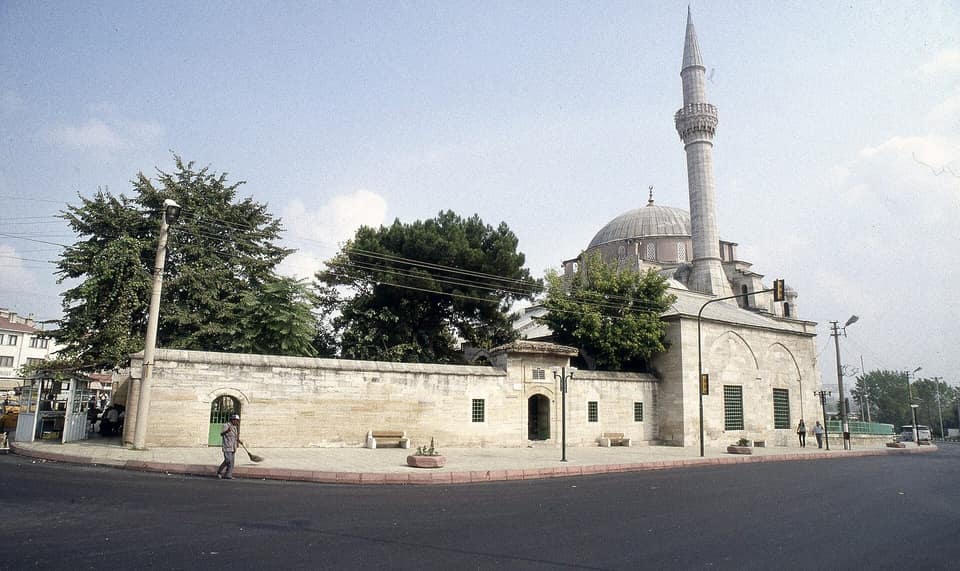
Babaeski Cedid Ali Paşa Camii
No ratings yet
Sign in to like and rate
Babaeski Cedid Ali Pasha Mosque
About Venue
Cedid Ali Paşa Mosque rises in the centre of Babaeski beside the old Istanbul-Edirne road and is counted among the works of Mimar Sinan. Also known as the Semiz Ali Paşa Mosque, it was commissioned in the 16th century by Semiz Ali Paşa from the court architect Koca Sinan. Sources give different dates for its construction; the mosque has no building inscription and is thought to belong to a period extending into the pasha's years as grand vizier. The Ali Paşa Bazaar in Edirne was also built by Sinan, and its income was endowed to this mosque.
The mosque was originally part of a large staging-post complex. A foundation account dated 1574-1575 mentions the complex's bathhouse, caravanserai and shops. However, as a result of the destruction Thrace suffered in the 19th century, the madrasa, caravanserai and arasta disappeared, and only the mosque has survived. The verse inscription above the west gate of the courtyard records that the building was repaired by Sultan Mahmud II in 1832-1833. The minaret, destroyed during the Balkan War, was later rebuilt, and the mosque was also restored by the Foundations administration in the 20th century.
In front of the mosque there is a large courtyard enclosed by a wall with windows and entered from three sides; a twelve-sided ablution fountain stands in its centre. Before entering the prayer hall you pass two porticoes: an outer one with seven pointed arches resting on eight marble columns, and the main inner portico of five bays covered by domes, with a cross vault in the middle. The niche of the marble-clad main portal is filled with muqarnas and flanked by small prayer niches.
Inside, the prayer hall is built on a hexagonal support system set within a rectangle. Half domes on four sides support the great dome that dominates the space, and galleries resting on columns are placed in the gaps between the supporting piers. As far as is known, this mosque is the only provincial example of the six-support system that Sinan applied in several mosques in Istanbul. The pendentives are filled with muqarnas, and marble grilles are set into the relieving arches of the lower windows. The painted decoration on the walls and dome dates from the repair in the time of Mahmud II.
The mosque is open for worship, so come outside prayer times and wear suitable clothing. Looking from the courtyard at the stepped silhouette of dome and half domes, after visiting the interior, makes the logic of the architecture easier to grasp. The visit can be combined with the historic Babaeski Bridge on the same road in the district.
Comments
Loading...
Location - Babaeski Cedid Ali Paşa Camii
Venue Info
Addressİnönü Meydanı, Gazikemal Mahallesi, Babaeski
VenueBabaeski, Kırklareli
TypeReligious & Spiritual Places