

Tourist Streets & SquaresOld Town District
Babadağ Tarihi Evleri
No ratings yet
Sign in to like and rate
Historical Houses of Babadağ
About Venue
Babadağ is an old weaving town to the west of Denizli, built on hilly, rugged ground at the foot of the mountain of the same name, which also gives the district its name. The Provincial Directorate of Culture and Tourism writes that the settlement began in 1386, when an Oghuz nomadic tribe settled in Oğuzlar village near today's town. The people later moved to Yeniköy and from there to the present site. The town was first called Beşikkaya and later Kadıköy, and in 1935 it took the name of the mountain because it was confused with Kadıköy in Istanbul. Academic studies note that the settlement was founded at about 800 metres above sea level in a natural setting rich in water sources.
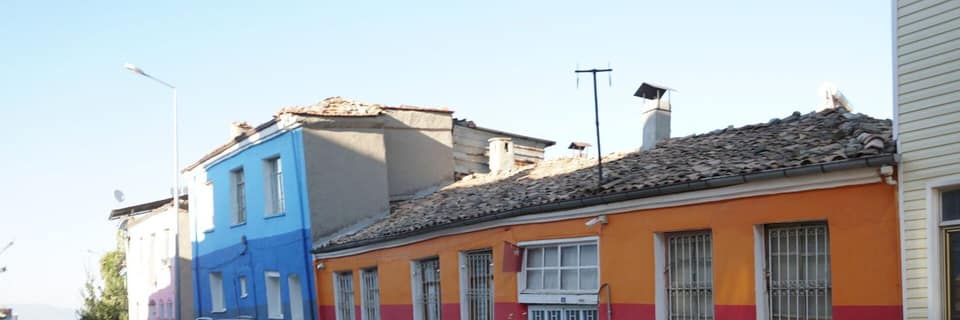
The houses of the town are mostly built of timber and brick, and since the steep ground leaves little room for new construction, the old buildings continue to be repaired and used. The provincial directorate notes that buildings with carefully worked and decorated facades have survived to this day, although they also bear the marks of economic hardship. In architectural literature this built fabric is known as the Babadağ Houses, and it is said to share similar lines with the houses of Sarayköy. The Kırcataş Mosque in Gündoğdu neighbourhood is cited in the development agency's report as the town's important example of Ottoman architecture.
The story of Babadağ is interwoven with weaving, and according to the provincial directorate the craft has a history of about six hundred years here. Hand looms gave way to semi-automatic looms after 1965 and to fully automatic ones after 1985, and weaving has remained the backbone of the local economy. Türkiye's official tourism promotion platform describes the sound of looms coming from wooden workshops beneath the colourful historic houses as the most distinctive feature of the town. The Babadağlılar Bazaar in the centre of Denizli is also regarded as the city extension of this weaving tradition.
Mehmet Özer Street shows the town's present face better than any other. A facade colouring project carried out jointly by the Babadağ Municipality, the Department of Architecture of Pamukkale University and local industrialists was completed in December 2017, and after meetings with the residents the house fronts along the street were painted in different shades of a single colour. This work was part of the Babadağ on the Road to Tourism plan, prepared with the support of the South Aegean Development Agency, which proposed street rehabilitation and the redesign of the bazaar square. Keşkek, pit-roasted tandır and kapama stand out in the local cuisine, and sources also describe the promenade custom in which young people stroll along the Yardan Stream road on the last day of the holiday.
A good plan is to start at the bazaar square, walk along Mehmet Özer Street and look at the decorated facades of the old houses in the side lanes. The streets are steep and narrow in places, so comfortable shoes are a good idea; most of the houses are lived in, so please respect the residents' privacy. The town is reached by road from central Denizli, and for transport and current information you can contact the Denizli Provincial Directorate of Culture and Tourism.
Comments
Loading...
Location - Babadağ Tarihi Evleri
Venue Info
AddressMehmet Özer Caddesi, Babadağ, Denizli
VenueBabadağ, Denizli
TypeTourist Streets & Squares