

Historical & Cultural SitesCastles & Palaces
Aynalıkavak Kasrı
No ratings yet
Sign in to like and rate
Aynalıkavak Palace
About Venue
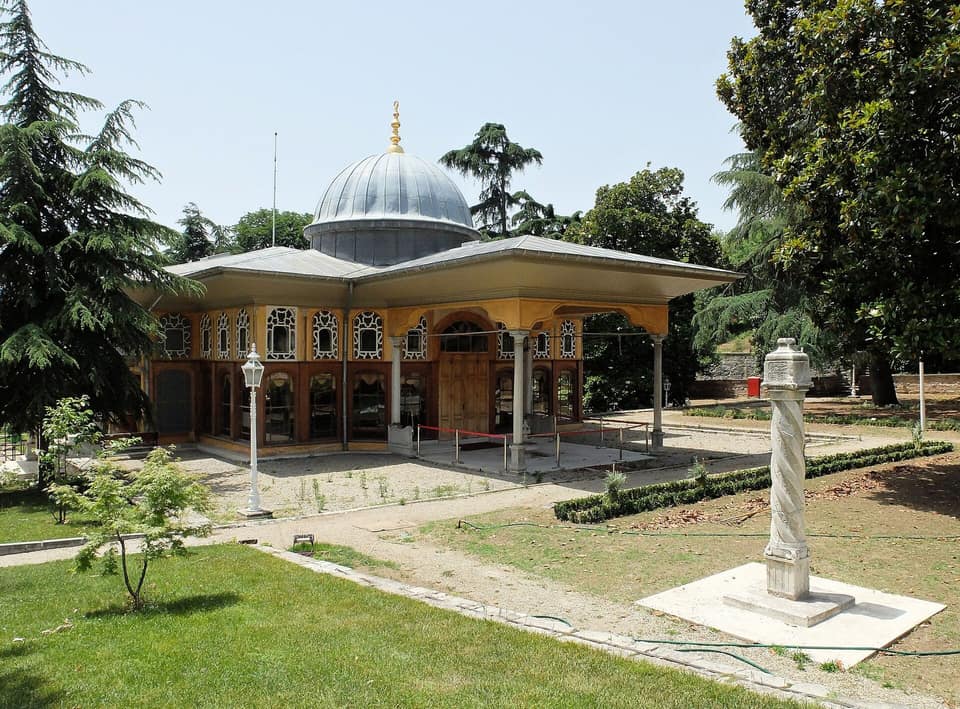
Aynalıkavak Pavilion is an Ottoman pavilion standing on the slope that runs down to the Golden Horn between Hasköy and Kasımpaşa in Beyoğlu. The building is the only one to survive from the Tersane Palace, also called the Aynalıkavak Shore Palace, which is regarded as the fourth largest Ottoman palace in Istanbul. The sources state that this area, stretching from the slopes of Okmeydanı to the Golden Horn, was also a place of promenade and rest for the emperors in the Byzantine period. After the conquest, because of the shipyard founded in the area, the grove and its gardens came to be known as the Tersane Hasbahçe, the imperial garden of the shipyard. The first pavilion known for certain to have been built in the Hasbahçe is the one that Grand Admiral Halil Pasha had built for Sultan Ahmed I at the end of 1613.
In 1720 the terraced garden of the palace hosted the sultan and the members of the harem during the circumcision festivities held at Okmeydanı for the princes of Ahmed III. There are differing views on the origin of the name; the common account links it to the large mirrors sent as a gift from Venice after the peace of 1718, but the fact that 17th-century travellers already described the place as a palace of mirrors suggests that the name may be older. In 1779 the Aynalıkavak Convention, which clarified some articles of the Treaty of Küçük Kaynarca, was also signed after talks held in this palace. As the shipyard grew, the palace buildings disappeared one by one, and only this pavilion remained of the palace, which was completely demolished in 1802-1803. The pavilion took its present appearance in the reign of Selim III and was renovated once more in the reign of Sultan Abdülmecid.
Set on sloping ground, the building has a single storey on its land side and two storeys on its sea side. Its plan of three halls developed around a double audience hall reflects the traditional architecture of 18th-century Ottoman palaces. In the frieze running above the windows of the audience hall and the Composition Room, poems by Şeyh Galib and Enderunlu Fazıl praising the pavilion and Selim III are written in talik calligraphy. The gilded monogram of Selim III can be seen at the base of the ceiling of the Audience Room, and the poems above the doors carry the date 1206 (1791-92). The clerestory windows, the wide eaves of the roof and the built-in divans of the interior carry the traces of a palace life that has now disappeared.
The pavilion passed to the administration of the National Palaces in 1975 and opened to visitors as a palace museum in 1984; after restoration and furnishing works it began welcoming visitors again on 5 November 2010. In keeping with the character of Selim III, a sultan who was also a composer, its lower floor is devoted to the Aynalıkavak Music Museum, where historic Turkish instruments are displayed. The pavilion is closed to visitors on Mondays; check the website of the Presidency of National Palaces for current hours and ticket information. The Rahmi M. Koç Museum is about 700 metres away, and these two buildings on the Golden Horn shore can be visited on the same day. Hasköy can be reached by public transport.
Comments
Loading...
Location - Aynalıkavak Kasrı
Venue Info
AddressAynalıkavak Caddesi, Hasköy, Beyoğlu
VenueBeyoğlu, İstanbul
TypeHistorical & Cultural Sites