

Religious & Spiritual PlacesMosques
Aydınoğlu Mehmet Bey Camii (Birgi Ulu Camii)
No ratings yet
Sign in to like and rate
Aydınoğlu Mehmet Bey Mosque (Birgi Grand Mosque)
About Venue
Aydınoğlu Mehmet Bey Camii, known locally as the Birgi Ulu Camii (Great Mosque of Birgi), stands in Birgi, in the Ödemiş district of İzmir. According to the TDV Islamic Encyclopedia, Birgi lies on the southern slopes of Bozdağ on both banks of the Sarıyar stream, at an altitude of 390 metres. The Culture Portal writes that after falling under Phrygian, Lydian, Persian, Pergamene and Roman rule, the town was known in the Byzantine period as Pyrigion. According to the same source, the town was the capital of the Aydınoğlu Principality in the 13th and 14th centuries and passed definitively under Ottoman rule in 1426. According to the TDV, Aydınoğlu Mehmed Bey took Birgi in 1307, made it the centre of his principality and in 1312 had a mosque, a tomb and a madrasa built there.
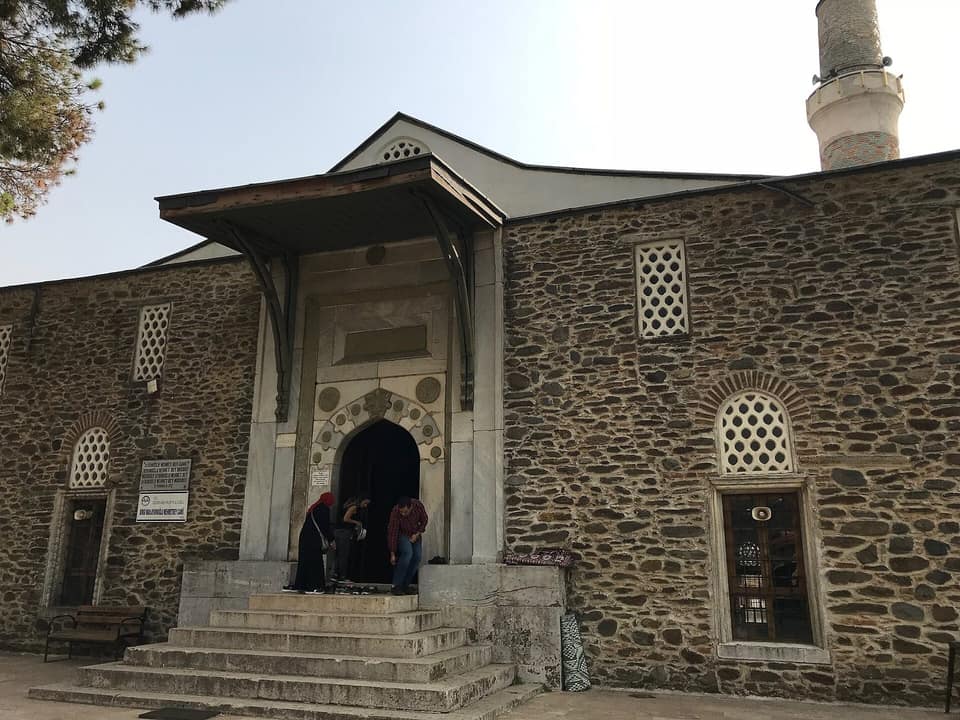
The Culture Portal states that the construction of the mosque was completed in 1312 and that Mehmet Bey also had a tomb built for his sister Sultan Şah, who died in 1310. The mosque has a square plan, and spolia as well as cut stone and rubble stone were used in its construction. It has one door each on the north and east fronts and two windows on each side, and the timber window shutters also draw attention with their carving. A large lion sculpture at the south-eastern corner is an interesting detail that you notice from outside. The roof is a hipped roof over a timber ceiling, a feature generally found in Seljuk-period architecture.
Timber decoration dominates the mihrab and the minbar, which the Culture Portal mentions as one of the successful examples of their period. The minbar was made in the kündekari technique and its master could finish it only in seven years. The slender columns carry unpretentious capitals; the plainness of the building is regarded as a fine sign of the Anatolian principalities adopting a settled way of life. Together with the madrasa and the tomb, the mosque forms a complex; the TDV records that endowments were assigned to the Mehmed Bey Mosque and Madrasa around 1530. The TDV relates that Ibn Battuta came to Birgi in the summer of 1333, saw the palace of Mehmed Bey and described the town as a beautiful and rich place. The same entry also stresses that Birgi was an important cultural centre under the Aydınoğlus.
In the tomb, besides Aydınoğlu Mehmed Bey, there are graves belonging to Umur Bey, İsa Bey and Bahadır Bey; the TDV counts the complex among the main historic works of Birgi that have survived to the present. The whole of Birgi is a protected area, and the Historic Town of Birgi has been on the UNESCO World Heritage Tentative List since 2012. The town also entered the Best Tourism Villages list chosen by the World Tourism Organization in 2022. The mosque is a place of worship, so visitors should dress appropriately, remove their shoes and avoid disturbing those at prayer, and should check current visiting information from local sources. According to the Culture Portal, Birgi is reached from İzmir Adnan Menderes Airport and the intercity bus terminal by the ring road and motorway via Bayındır and Ödemiş. The Çakırağa Mansion in the same town is a stop that can be added on foot to see civil timber architecture.
Comments
Loading...
Location - Aydınoğlu Mehmet Bey Camii (Birgi Ulu Camii)
Venue Info