

Historical & Cultural SitesMuseums
Aydın Arkeoloji Müzesi
11
No ratings yet
Sign in to like and rate
Aydın Archaeology Museum
About Venue
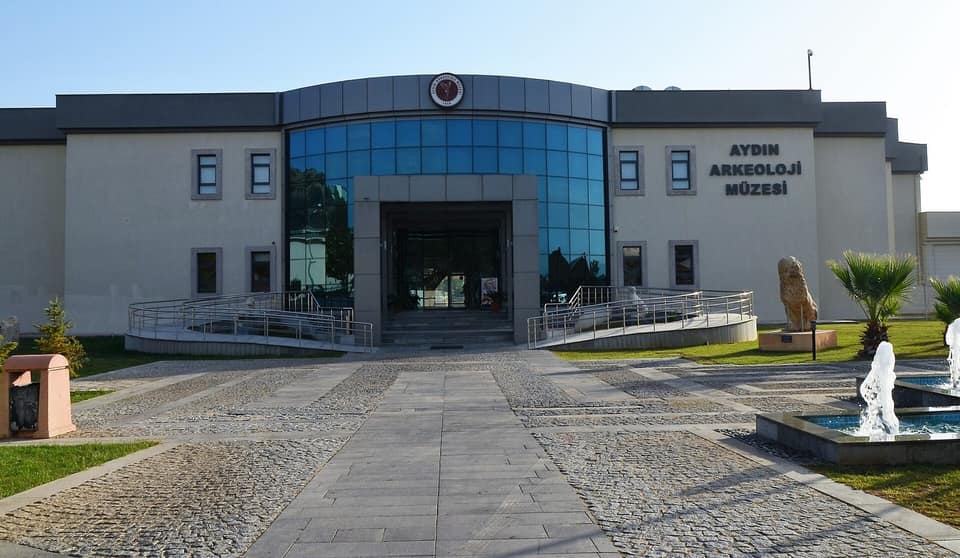
Aydın Archaeology Museum stands in the Ilıcabaşı neighbourhood of Efeler, on the Aydın-Denizli highway, and brings together the finds from the ancient cities of the province. The museum's area of responsibility covers the southern part of the ancient region of Ionia and the northern part of Caria, in other words most of Aydın. For this reason the museum is a point of reference to visit before or after touring the archaeological sites of the province. Pieces from cities such as Tralleis, Magnesia, Nysa and Alabanda can be read here under one roof.
The museum's history goes back to the 1940s. Finds collected from Aydın and its surroundings were first kept in the Halkevi, the community centre, and were handed over to the treasury in 1950. The museum was founded as a small office on 16 February 1959, became a directorate in 1969 and opened to visitors in its own building on 23 April 1973. In that building archaeological and ethnographic finds were displayed together. As the number of finds from excavations grew, the old building became too small, and the new building opened in the summer of 2012.
The new museum is a building with a basement, a ground floor and one upper floor on a plot of about 15,769 square metres. Kültür Portalı notes that the exhibition hall on the ground floor covers 1,340 square metres. Besides the exhibition halls, the building houses storerooms, laboratories, a library, a children's activity area, a conference hall and temporary exhibition spaces. In the garden, open-air displays have been arranged under stretched membrane canopies.
At the entrance, visitors are greeted by the lines of Seikilos of Tralleis. This short poem, which Seikilos had inscribed on his gravestone, is known as the oldest song to survive complete with its notes. The original stone is in the National Museum of Denmark in Copenhagen, and the museum's brochure says it is waiting for the day it returns. Starting the visit with these lines reminds you that the ancient cities of the province were not only stone buildings.
The showcases at the entrance of the exhibition hall are arranged by ancient city and in chronological order. The Tepecik Mound section displays terracotta figurines, bone tools, stone axes and arrowheads of flint and obsidian from the Chalcolithic and Bronze Ages. Terracotta seal impressions from the Late Bronze Age in the same section, bearing Hittite hieroglyphic signs, shed light on the Hittite presence in western Anatolia. A small bronze Hittite statuette from the Kadıkalesi excavation in Kuşadası stands in a special showcase.
Next come the halls devoted to the cities. The Alabanda hall contains terracotta pieces, oil lamps, glass vessels, gold crowns and jewellery, along with a statue of Augustus. The Tralleis hall shows the city's Hellenistic and Roman sculptures alongside scent bottles, gold diadems and terracotta children's toys. In the Magnesia hall, helmet depictions with the figure of Scylla and marble statues stand out, while in the Nysa hall marble busts, column capitals and a statue of a child riding a dolphin catch the eye.
In the middle of the hall a large floor mosaic brought from the ancient city of Orthosia in Yenipazar is on display. According to the museum's brochure, the mosaic consists of four main panels and the borders around them, which decorated the floor of a Roman villa of the 2nd century AD. An interactive wall display inspired by the gladiator figures in the mosaic brings a fight scene to life in three dimensions. For visitors with children, this is usually the most popular corner of the museum.
The stone finds hall holds sculptures, reliefs, altars, sarcophagi and ossuaries from different periods. The best known piece in this hall is the smiling statue of Pan, regarded as the protector of shepherds and their flocks. In the coin section, coins from Lydia to the Ottoman period are arranged in chronological order. Here the Kızıldere Treasure, made up of silver coins of 29 emperors and 9 empresses who reigned between AD 40 and 270, is also displayed in four separate showcases.
The museum's inventory is said to include about 11 thousand archaeological and 4 thousand ethnographic pieces and some 45 thousand coins, of which about 3 thousand are on display. We recommend allowing at least an hour to tour the halls without hurrying. Since the ancient city of Tralleis is only a few kilometres from the museum, it is easy to visit both in the same half day. Kültür Portalı notes that the museum can be reached by city public transport, and there is a large car park in front of it. Since visiting hours and admission conditions change with the season, check the Ministry's museum page before you go.
Comments
Loading...
Location - Aydın Arkeoloji Müzesi
Venue Info
AddressIlıcabaşı Mahallesi, Müze Bulvarı No:4, 09010 Efeler / Aydın
VenueEfeler, Aydın
TypeHistorical & Cultural Sites