

Religious & Spiritual PlacesMosques
Alaeddin Bey Camii
No ratings yet
Sign in to like and rate
Alaeddin Bey Mosque
About Venue
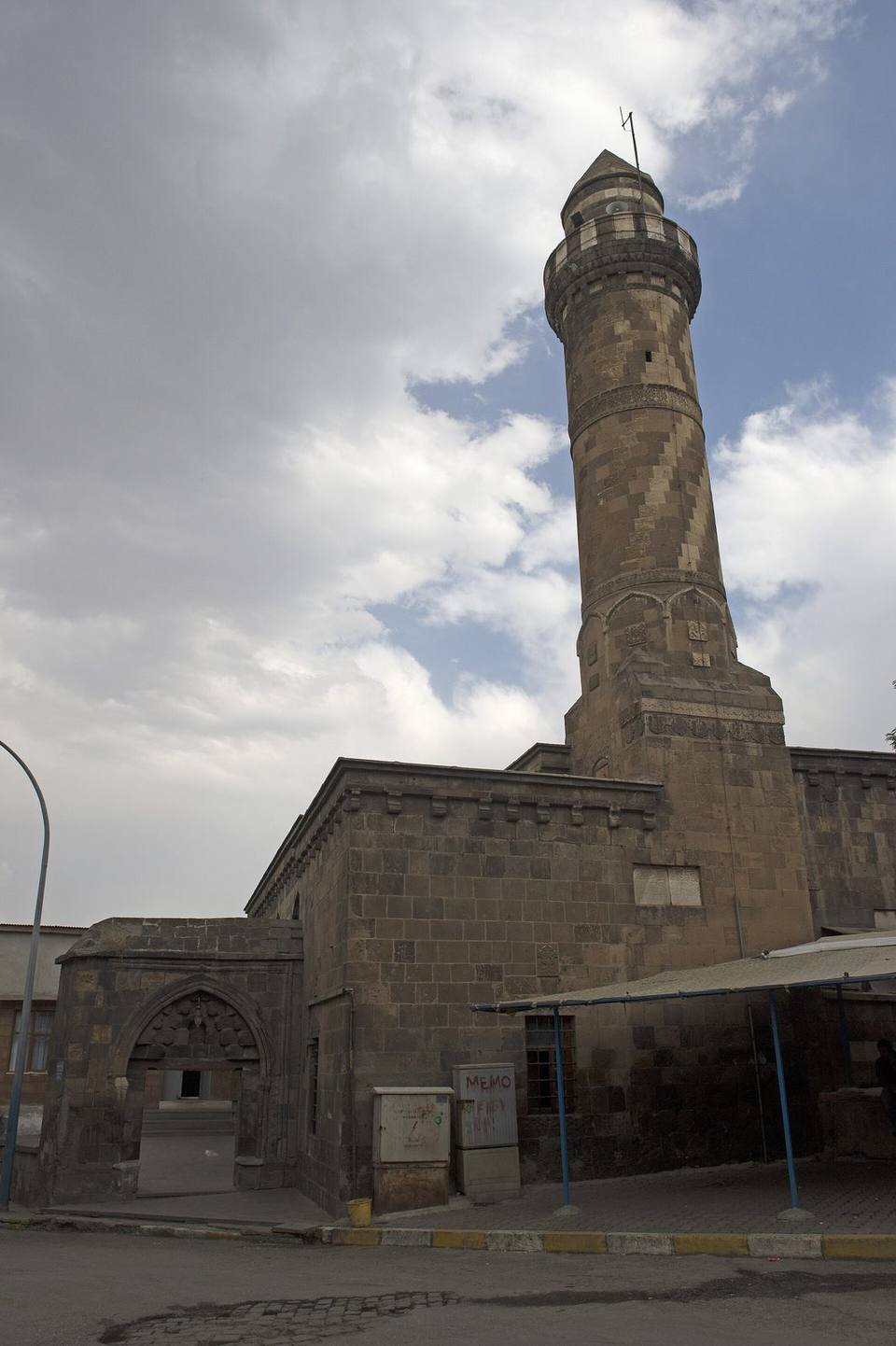
Alaeddin Bey Camii is a historic mosque in the centre of Muş, built in the 18th century. In the sources it appears under the names Alaeddin Bey Mosque, Alaeddin Pasha Mosque or simply the Pasha Mosque. According to the Culture Portal, it was commissioned by the governor of the time, Alaeddin Bey, son of Kasım Ağa. Official sources do not fully agree on the exact year of construction, so only the 18th century is stated here. If you plan to visit, the current publications of the Muş Provincial Directorate of Culture and Tourism are the best place to check the exact date and building history. In the same part of central Muş you will also find the city's other historic mosques, the Ulu Camii and the Hacı Şeref Camii. This makes Alaeddin Bey Camii a good starting point for anyone who wants to understand the old fabric of the city. The same governor is mentioned in the sources as the patron of a bath as well. That bath should only be mentioned as a work of the same patron, because its present condition is unclear in the sources. The most striking feature of the mosque is its facades, built of local andesite tuff and enlivened with stones of two colours. According to the Culture Portal, andesite tuff was used in the body walls, the transition elements and the dome. The facades are animated by two-coloured stonework, which gives the building a plain but eye-catching look. The main space has a square plan. It is covered by a large dome in the middle and smaller domes at the sides. Inside, four cross-shaped piers and pointed arches resting on pilasters that project from the walls divide the space into nine bays. This nine-bay layout can be read both from outside and while walking through the interior. On the outer faces of the piers, six-petalled daisy-shaped incised flowers decorate the sides. These carvings run from the floor up to the points where the arches spring. According to the provincial directorate, the mihrab stands in the central bay and is decorated with small columns and plant motifs. The main space is entered through the crown portal of the porch, which is covered by three shallow domes. On the sides of the crown portal you can see relief lamp motifs. When looking from outside, it helps to look first at the crown portal and then at the three shallow domes of the porch. The minaret has a square base and a cylindrical shaft. It is built of two-coloured cut stone. In the middle of the shaft runs a band of interlaced plant motifs that recall a plane tree. This band is the finest detail that makes the minaret recognisable even from a distance. For photographers, early morning and the low light of the afternoon show the two colours of the stone and the shadows of the carved decoration best. A walk around the outside is enough to see the colour changes in the facade stones and the plant band of the minaret. Inside, if you look first at the central piers and then at the points where the arches meet them, the logic of the nine-bay plan is easy to follow. The mosque is still a working place of worship. For this reason visitors should be quiet, take off their shoes at the entrance and dress modestly. During prayer times it is better to wait than to walk in, and not to photograph people who are praying. Point the camera only at the building and avoid showing people inside. Visitors with children should also keep quiet in the interior. Before you go, we recommend asking the Muş Provincial Directorate of Culture and Tourism about the current condition of the building, prayer times and the best time to visit. The Culture Portal lists the building as a mosque in the centre of Muş. The Governorate also gathers the city's other historic works on a single page. Because it lies in the city centre, the mosque can be reached on foot or with a short ride within town. Half an hour is enough for a short visit and for examining the facade and minaret comfortably. If you plan it together with other historic structures of Muş, such as the bridge over the Murat River, the layers of the city's history become clearer.
Comments
Loading...
Location - Alaeddin Bey Camii
Venue Info
VenueMuş Merkez, Muş
TypeReligious & Spiritual Places