

Historical & Cultural SitesMuseums
Aksaray Müzesi
No ratings yet
Sign in to like and rate
Aksaray Museum
Hacılar Harmanı Mahallesi, Konya Caddesi No 16, 68100 Aksaray Merkez/Aksaray
Aksaray Merkez, Aksaray
Get DirectionsApple MapsAbout Venue
Aksaray Museum is the province's main museum, bringing together its archaeological and ethnographic heritage in a single building arranged in chronological order. Museum work in the city began in 1969 in the historic Zinciriye Medresesi in the city centre. The collection moved to its present building in 2006 and, after display and layout work carried out in 2014, reopened to visitors with a chronological arrangement.
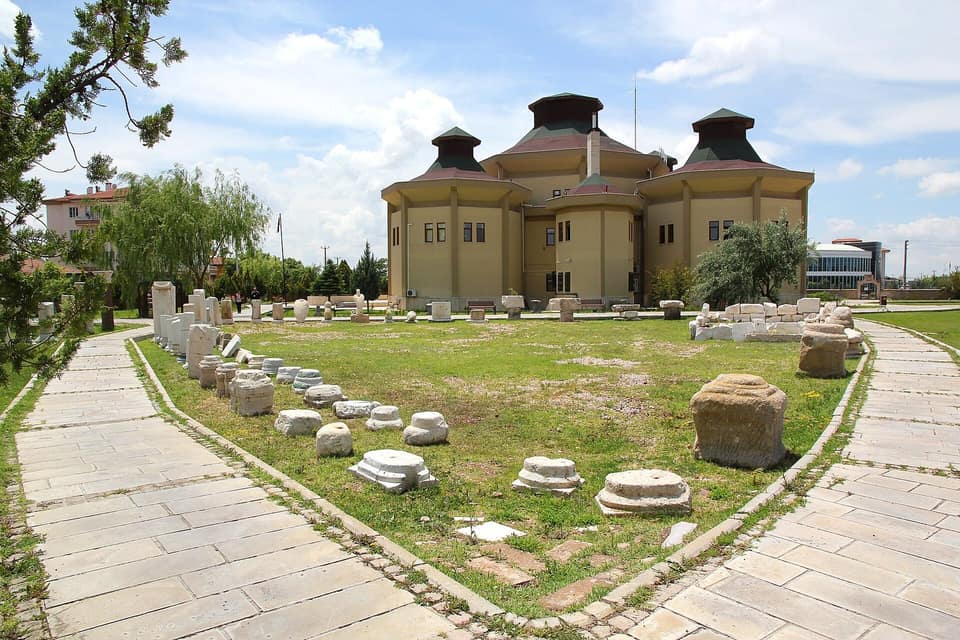
The building itself catches the eye at first glance. Its design follows an eclectic approach inspired by Anatolian Seljuk tomb towers (kümbet) and by the fairy chimneys around Aksaray. Rising on an octagonal plan, the structure has three floors and consists of open and enclosed areas. According to Ministry figures, the enclosed area is about two thousand square metres, and the total area including the garden is around twelve thousand square metres.
Collection and layout
The collection has three main groups, namely archaeological finds, ethnographic objects and coins. The works entered the museum through excavation, purchase and donation. The archaeological group starts in the 8500s BC and runs from the Neolithic, Chalcolithic and Bronze Ages to the Iron Age and the Hellenistic, Roman and Late Roman periods. The coin group consists of gold, silver and bronze money from the Greek period to the Ottoman period. The display halls on the ground floor are linked to one another by corridors, while the ethnographic display is on the upper floor.
The ground floor halls
The visit opens with a showcase of animal fossils and soil and stone samples from the geological eras of Aksaray. The other showcases of the first hall are devoted to finds from the excavations at Aşıklı Höyük in Gülağaç. Here you see stone mortars and pestles, obsidian blades, knives and mirrors, pendants of stone and bone, and bone awls, fishhooks and pins. The piece that draws the most attention in the hall is the skull of a young woman bearing traces of surgical intervention. Two showcases contain a visual reconstruction of indoor and outdoor life at Aşıklı.
The second hall brings together finds from Musular, another Neolithic settlement, and from Güvercinkayası, which dates to the Middle Chalcolithic period. The Musular objects resemble those from Aşıklı, but here you meet examples of vessels whose making was unknown at Aşıklı. The Güvercinkayası showcases display sling stones, spindle whorls, bone awls and handles, handmade fired clay hearth-footed vessels and animal figurines.
The third hall is devoted to finds from the Acemhöyük excavations in Yeşilova. Pithoi, the large vessels used to store grain and liquids, a burnt door fragment, water pipes and pieces of silver ingots are the notable finds of this hall. Fired clay bullae, the lumps of clay bearing seal impressions, are also displayed in the same hall. Painted pottery fragments from Arıbaş, one of the cemeteries of Acemhöyük, and trefoil-mouthed jugs dated to the Phrygian period are presented in a showcase reconstruction.
The fourth hall holds fired clay vessels, fibulae, glass objects and jewellery from the Iron Age, Hellenistic, Roman, Eastern Roman and Seljuk periods. In the same hall you can also see Greek, Roman, Eastern Roman and Islamic-period coins along with gold and silver hoard groups.
The fifth hall is arranged as the mummy hall. It holds mummies of children and adults, mostly dated between the 10th and 13th centuries AD, recovered from Ihlara Valley and from a rock-cut structure near the village of Akhisar, together with the mummy of a cat. Beads, necklace pieces, embroidered fragments of linen clothing and Eastern Roman jewellery found with the mummies are shown in the same hall within their archaeological context.
The ethnographic floor and the garden
In the ethnography hall on the upper floor, the province's crafts such as carpet weaving, basketry, pottery and stonework are explained through reconstructions. Women's and men's clothing, coffee culture objects such as a coffee roasting pan and a cooling vessel, and hand-embroidered towels and headscarves fill the showcases on this floor. The weapons section displays flintlock rifles, steel swords and pistols. The weights showcase holds Ottoman and Republican-era dirhams, steelyard weights and jewellers' scales. The last showcase of the hall contains a silver vessel dated to the 13th century and decorated with depictions of the twelve zodiac signs.
In the museum garden, pithoi, storage jars, sarcophagi, gravestones, stone coats of arms and inscription fragments from various periods are displayed in the open air. A pithos area was laid out in the garden in 2016, followed in 2018 by a sheltered section for gravestones and inscriptions. The Arkeopark area opened in the same year hosts the museum's events. A worked stone piece from the Late Hittite period is also among the parts of the collection reaching back into the past of Cappadocia.
Visiting
If you start on the ground floor and follow the halls in order, you move through the chronological sequence from the Neolithic to the Ottoman period without breaking it. Do not rush the archaeology halls, because the context you build here makes the province's mounds far easier to read, whether you visit them before or after. The museum is in the Hacılar Harmanı neighbourhood on Konya Caddesi, about three kilometres from the city centre. It can be reached from the centre by city public transport, and the building has a car park and toilets. Before you go, check the current opening hours, closing day and ticket conditions on muze.gov.tr.
Comments
Loading...
Location - Aksaray Müzesi
Venue Info
AddressHacılar Harmanı Mahallesi, Konya Caddesi No 16, 68100 Aksaray Merkez/Aksaray
VenueAksaray Merkez, Aksaray
TypeHistorical & Cultural Sites