

Historical & Cultural SitesCastles & Palaces
Akçakoca Ceneviz Kalesi
34
No ratings yet
Sign in to like and rate
Akçakoca Genoese Fortress
About Venue
Akçakoca Genoese Castle rises on a cliff between two coves about 2.5 kilometres west of Akçakoca, the district of Düzce on the Black Sea coast. The UNESCO World Heritage Tentative List file states that the castle was built on a bluff about 100 metres high. When the castle was built is not known for certain. The Düzce Provincial Directorate of Culture and Tourism writes that, because of its position among the Black Sea harbour towns, the Genoese made additions to the structure at the beginning of the 13th century and put it into use, which is how it got its name. The introduction by the Akçakoca District Governorship, on the other hand, links the castle to the period of the Latin Empire, which dominated the Black Sea coast between 1204 and 1261. The Culture Portal states that the castle and its surroundings have survived from the Hellenistic, Roman and Eastern Roman periods. Because of this layered past, the area has been registered as an archaeological and natural site by decision of the Ankara Regional Board for the Conservation of Cultural and Natural Heritage.
On 15 April 2013 the castle was added to the UNESCO World Heritage Tentative List under the title Trading Posts and Fortifications on Genoese Trade Routes from the Mediterranean to the Black Sea. Alongside Akçakoca, this file includes the castles of Yoros, Foça, Çandarlı, Amasra and Sinop and the Galata Tower. The General Directorate of Cultural Heritage and Museums explains that between the 11th and 15th centuries the Genoese founded trading colonies on the shores of the Mediterranean and the Black Sea, building castles or repairing and using older ones. The same text counts Akçakoca Castle among the structures important for seafaring and trade. The fact that the castle stands at a point watching the coastal trading harbours also explains why it was built on this bluff.
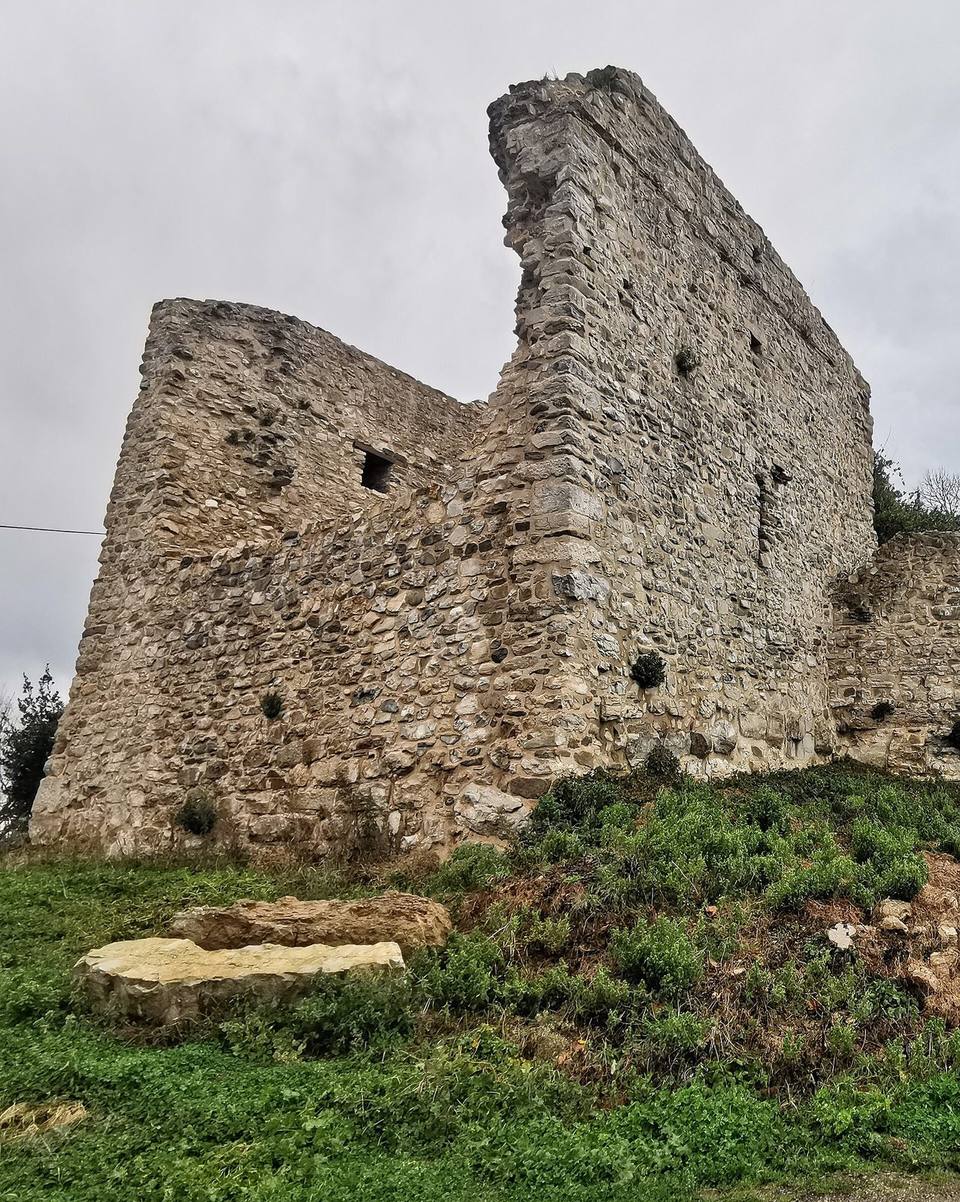
To the south of the castle, in the middle of the walls running east to west, stands a high tower. The UNESCO file records a bastion on the southern wall and notes that the walls were built of rubble stone and brick. The Provincial Directorate states that the bricks and mortar used in the castle resemble those of other Genoese castles. According to the UNESCO file, the Genoese placed their coats of arms on the walls of the Yoros and Amasra castles to mark their additions to the buildings. At Akçakoca the evidence for this link comes instead from chemical analyses of the brick and plaster. The analyses point to construction in the same period as the Yoros and Amasra castles and support the view that the castle was used by the Genoese. In the inner courtyard there is a cistern that met the castle's water needs. According to the District Governorship text, the deep pit about 5.30 metres across, which local people call the wishing well, is in fact this cistern.
As you walk around, first examine the high tower on the landward side and the masonry of the walls, then walk to the cistern in the courtyard. The rows of brick set between the rubble stones let you see up close the material that was analysed. Because the castle stands on a hill high above the sea, it works as a natural viewing terrace. The edges of the walls sit on top of a high cliff, so do not approach the edge of the bluff and keep children close if you visit with them. The remains are a registered cultural property; do not climb the walls or move the stones.
Official introductions note that there are two separate beaches to the east and west of the castle. One of them, known as Yalıyarlar, is also called the seal rocks because of the caves along its shore. According to the District Governorship text, the other beach has a longer stretch of sand. The area around the castle is one of the most popular picnic and recreation spots in Akçakoca. For this reason it can be crowded in summer and at weekends; choose the early morning to see the castle in peace. Going down to one of the coves and looking up gives a good photographic angle that shows both the rising mass of the castle and its position facing the sea.
The Culture Portal states that the castle is 2.5 kilometres from Akçakoca town centre and can be reached by local public transport. The castle is also a fitting start for a day trip linking Akçakoca with Prusias ad Hypium in Konuralp. The article in the journal Höyük relates that the French scholar G. Perrot, who travelled in the region in the 1860s, also went from Karadeniz Ereğli to Akçakoca and from there overland to Konuralp.
Comments
Loading...
Location - Akçakoca Ceneviz Kalesi
Venue Info
AddressAkçakoca/Düzce
VenueAkçakoca, Düzce
TypeHistorical & Cultural Sites