

Tourist Streets & SquaresOld Town District
Ağırnas
8
No ratings yet
Sign in to like and rate
About Venue
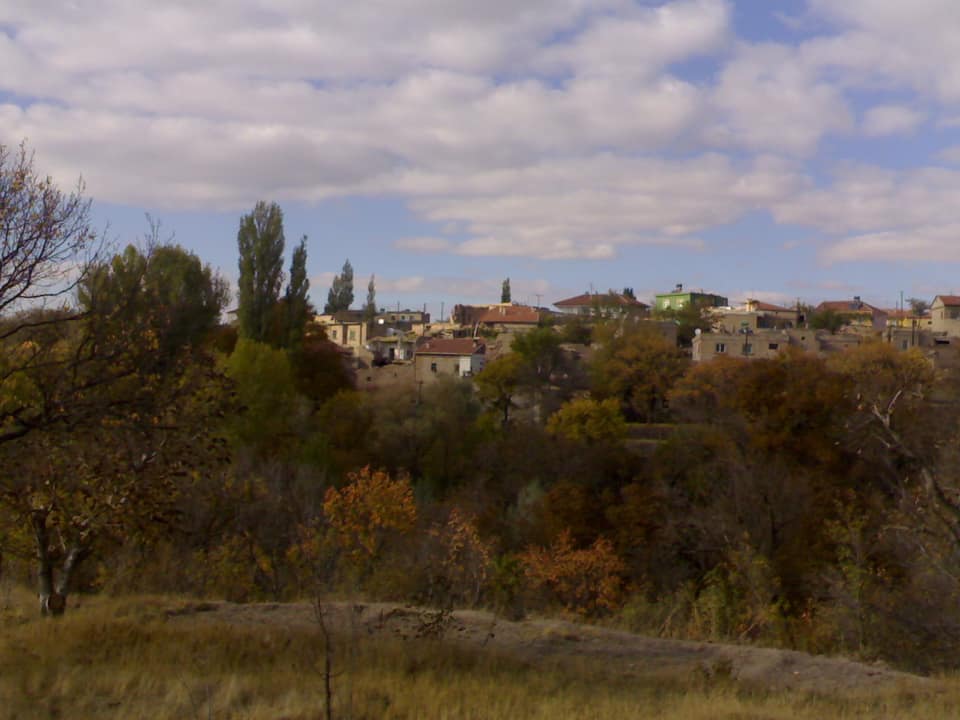
Ağırnas is a historic settlement about 25 kilometres east of Kayseri, set in the Koramaz Valley, and it is known as the birthplace of the architect Sinan. A 2025 study by Abdullah Gül University notes that the Koramaz Valley was added to the UNESCO World Heritage Tentative List in 2020. The same study describes Ağırnas as an important settlement because of the valley's natural landscape, its visual relationship with Mount Erciyes and its rich architectural heritage. By a decision dated 30 May 2002, the Kayseri Regional Board for the Conservation of Cultural and Natural Assets declared Ağırnas a first degree urban and archaeological site. Today the settlement is a neighbourhood of Melikgazi district.
The most striking feature of Ağırnas is its overlapping layers. According to the university study, rock-cut spaces lie on the northern slope of the valley, while the present settlement consists of stone houses on the southern slope. Underground cities more than 3,000 years old extend beneath the town, and this network is made up of interconnected tunnels and caves under the houses. The research therefore examines the settlement in three layers: the underground caves of the valley, the cave house of the architect Sinan and the underground city beneath the houses. The master's studio of the university's Department of Architecture chose Ağırnas as its research site in the 2018-2019 academic year and created a common terminology for each of these layers. Kültür Envanteri also writes that Ağırnas has many underground cities, shelters and passages from the Cappadocian, Roman and Byzantine periods.
The Kayseri Provincial Directorate of Culture and Tourism states that more than twenty underground cities are known in the province and that those beneath Ağırnas and beneath the Ağırnas Mimar Sinan House have been recorded in the inventory. The directorate also writes that work to identify, map and open these underground cities to tourism was started in cooperation between the Metropolitan Municipality, the ÇEKÜL Foundation and the Obruk Cave Research Group. According to the directorate, the underground cities around Kayseri are smaller than those in Nevşehir. They are thought to have been built to protect people from short raids rather than to shelter a large population for a long time. Some of them are carved into rock walls and connected to large rooms with windows opening onto the valleys. The directorate's guide states that at the time only the underground cities of Ağırnas were open to visitors among those in the province.
The village's stone houses are a subject in their own right. According to an article by researchers from Ankara University, the houses were built with the local yellow tuff, Ağırnas stone, which is easily worked and carved in the region. This stone hardens on contact with air, resists cold and, because it insulates well, keeps the inside of the house warm in winter and cool in summer. The streets follow the topography to form an organic fabric, bounded by courtyard and garden walls, narrowing and widening with the projections and balconies of the houses. Squares with fountains are the main open spaces where people meet, and in some neighbourhoods dead-end streets are found for privacy. The article states that within the site boundaries there are 31 registered buildings, including houses, a school, oil presses and fountains.
The economic history of Ağırnas is rich as well. According to Kültür Envanteri, in the 16th century the village belonged to the Koramaz district, and records list two mills and four linseed oil presses. In the 16th and 17th centuries hand weaving developed, and soft, fine fabrics called Ağırnas cotton, or boğası, were sold to Europe. In the late 19th century the village had seven oil presses, three quarries and twenty-five dovecotes, and the production of dyer's buckthorn and madder dye was an important source of income. Kültür Envanteri also records that the historic fabric of the village was protected and restored with the support of the Union of Historic Towns and the ÇEKÜL Foundation.
The best way to explore Ağırnas is to leave the car at the village square and walk the stone streets on the southern slope. As you pass the squares with fountains, look at the yellow tuff facades and courtyard gates of the houses, then take the road down into the valley to see the rock-cut spaces on the opposite slope. The Koramaz Valley nature walks organised by Melikgazi Municipality are combined with visits to the Ağırnas Underground City and the Mimar Sinan House. Since the current visiting conditions of the Mimar Sinan House and the underground city are not clear in official sources, ask the municipality or the Provincial Directorate of Culture and Tourism before you go. The most practical way to reach Ağırnas from central Kayseri is by car. Winters are harsh in the high valley, so spring and autumn are better for a visit.
Comments
Loading...
Location - Ağırnas
Venue Info
AddressAğırnas Mahallesi, Melikgazi/Kayseri
VenueMelikgazi, Kayseri
TypeTourist Streets & Squares