

Ölülerin Şafağı
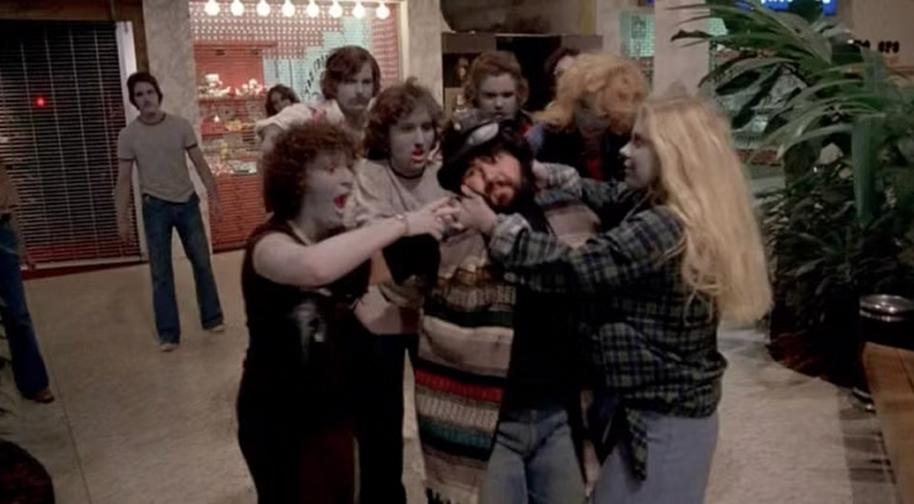
Dawn of the Dead is the second film of George A. Romero's "Zombie Trilogy," which is considered the pioneer of contemporary zombie cinema, transforming the zombie from a folkloric creature into a symbol of societal decay. The first film of the trilogy, Night of the Living Dead (1968), focuses on social tension and racism, while the last film, Day of the Dead (1985), centers on the social chaos caused by the breakdown of human communication. In Dawn of the Dead (1978), the focus is on consumer society. We see zombies invading a shopping mall, wandering the corridors with empty and meaningless gazes, just like the people (consumers) shopping there. Zombies symbolize alienation and commodification. Just like humans who are alienated from what they produce and programmed to consume it, zombies have also become alienated from what they once were, that is, human, and are programmed to consume (eat) it. Dawn of the Dead, which inspired dozens of sociologically contextual zombie films that followed and was remade in 2004, is a film that critiques consumer society, yet it also led to the zombie figure becoming a consumer product in American popular culture. This could be seen as a twist of American cultural hegemony, which absorbs everything that criticizes it and makes it resemble itself.
Dawn of the Dead
Director: George A. Romero
1978, USA, Italy, 127 min
English | Turkish subtitles