
Kızlar Kaykay Yapmaz
The 16th International Crime and Punishment Film Festival is kicking off with a selection of films from world cinema and special screenings!
16th International Golden Scale Feature Film Competition.
Girls Don't Skateboard.
Skateboarding is not for girls. / Skateboarding is not for girls. (The second sentence is a direct translation of the first, likely indicating a repeated or emphasized statement.)
Director.Dina Duma.
North Macedonia, Belgium, Slovenia, Croatia, 2026. 82 minutes. In Macedonian, with Turkish and English subtitles.
Cast: Efkjar Abaz, Džefrina Jašari, Simonida Selimović, Ganimet Abdula, Resmia Mustafa, Bajramsha Amdijevska, Emili Bajram, Jana Gjorgieva, Elmedin Sakip, Labina Mitevska, Bajram Severdzan, Ljiljana Bogojević, Sonja Mihajlova, Nikola Kumev.
With the participation of the film crew.
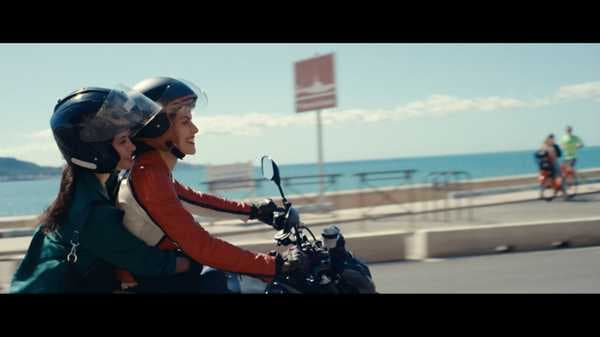
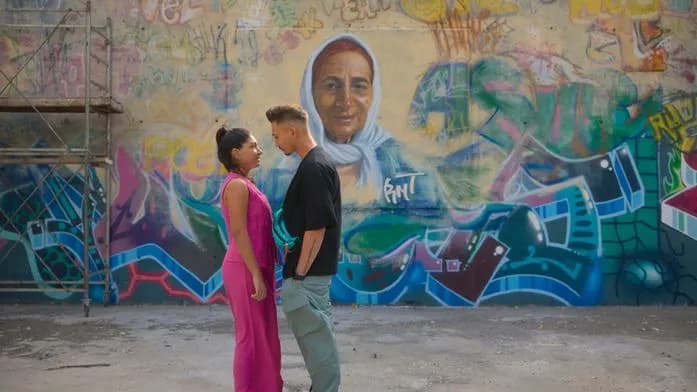
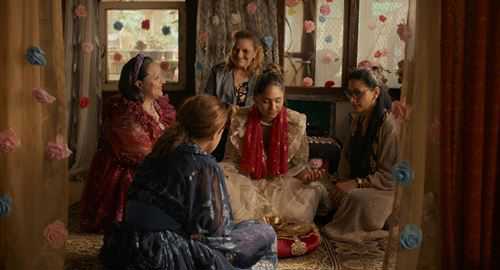
The film, which won the Nora Ephron Award at the New York Tribeca Film Festival where it premiered, is a critique of a system that views women as commodities, stripping them of their economic freedom and essentially enslaving them. Directed by Dina Duma, whose film "Sisterhood" was screened at the 16th Crime and Punishment Film Festival, the film was selected as North Macedonia's entry for the Oscars. Duma uses a young girl's attempt to join the skateboarding subculture, a space traditionally reserved for boys, as a metaphor for liberation. Eleven-year-old Adela (Efkjar Abase) dreams of winning a skateboarding competition, hoping to support her mother, Esma (Simonida Selimovic), and her older sister, Zara (Džefrina Jašari), who are struggling after their father left them with nothing. Adela represents both the film's fairytale aspects, filled with inevitable clichés and humor, and its rebellion against the patriarchal system. Esma, who has nothing left but a dilapidated Yugo car from the communist era, seeks help from her sister-in-law, Aida (Ganimet Abdula), who suggests marrying Zara off to the son of a wealthy Romani family in Bulgaria. When Esma is completely desperate, and despite Adela's objections, they all end up at a "marriage market" where young girls are displayed. Dina Duma, highlighting this unjust tradition that continues in the Balkans, is careful not to demonize any of her characters, who already belong to an oppressed ethnic group. The film elevates conventional cinema with poetic imagery, strong direction, humor, and the authentic performances of its mostly amateur actors.
Get your tickets on Passo!