

Barry Lyndon
Barry Lyndon
1975 / United Kingdom & USA / 187ʹ / Color / English / Turkish Subtitled
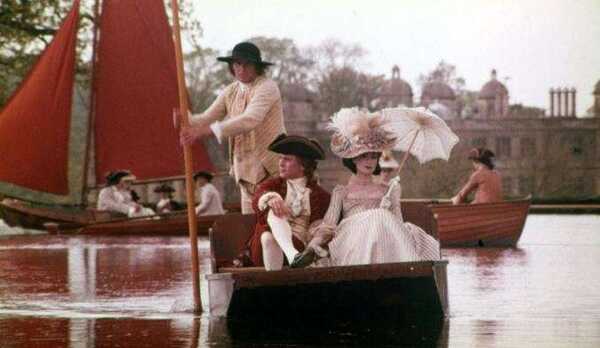
Directed by Stanley Kubrick, Barry Lyndon (1975) tells a story of rise and fall set in 18th century Europe with an unparalleled visual splendor in cinema history.
With scenes shot in natural light, frames reminiscent of painting aesthetics, and a slow rhythm, the film is considered a masterpiece that elevates the visual narrative power of cinema to its peak. The journey of Irishman Redmond Barry towards aristocracy is shaped around themes of class, power, ambition, and fate. Barry's rise, which begins with luck, gradually turns into emptiness, loneliness, and inevitable dissolution. Kubrick addresses the fragility of the individual within the social structure in a distant yet strikingly powerful manner. Barry Lyndon has made its mark in cinema history not only with its aesthetic power but also with the awards it has received. The film won 4 Oscars at the 1976 Academy Awards for Best Cinematography, Best Art Direction, Best Costume Design, and Best Adaptation Score, certifying the peak of Kubrick's visual narrative in cinema history. Its narrative woven with classical music pieces, its dignified tempo, and the meticulous attention to detail offer a timeless observation of human nature.
Event: 1975 / United Kingdom & USA / 187ʹ / Color / English / Turkish Subtitled
Director: Stanley Kubrick
Screenplay: Stanley Kubrick (adapted from William Makepeace Thackeray's novel The Luck of Barry Lyndon)
Cast: Ryan O’Neal, Marisa Berenson, Patrick Magee
Cinematographer: John Alcott
Editor: Tony Lawson
Music: Georg Friedrich Händel, Antonio Vivaldi, Johann Sebastian Bach, Giovanni Paisiello, Wolfgang A. Mozart, Franz Schubert, and Irish folk tunes (arrangements by Paddy Moloney)
Producer: Stanley Kubrick