

Shadow Theatre in Bursa, the City of Karagöz and Hacivat
The shadow of Karagöz and Hacivat in Bursa Bursa brings to mind silk, thermal baths and early Ottoman buildings, but the city's name is also tied to two figures who talk behind a white screen.
 Radar Türkiye24 Kasım 2026
Sign in to like and rate
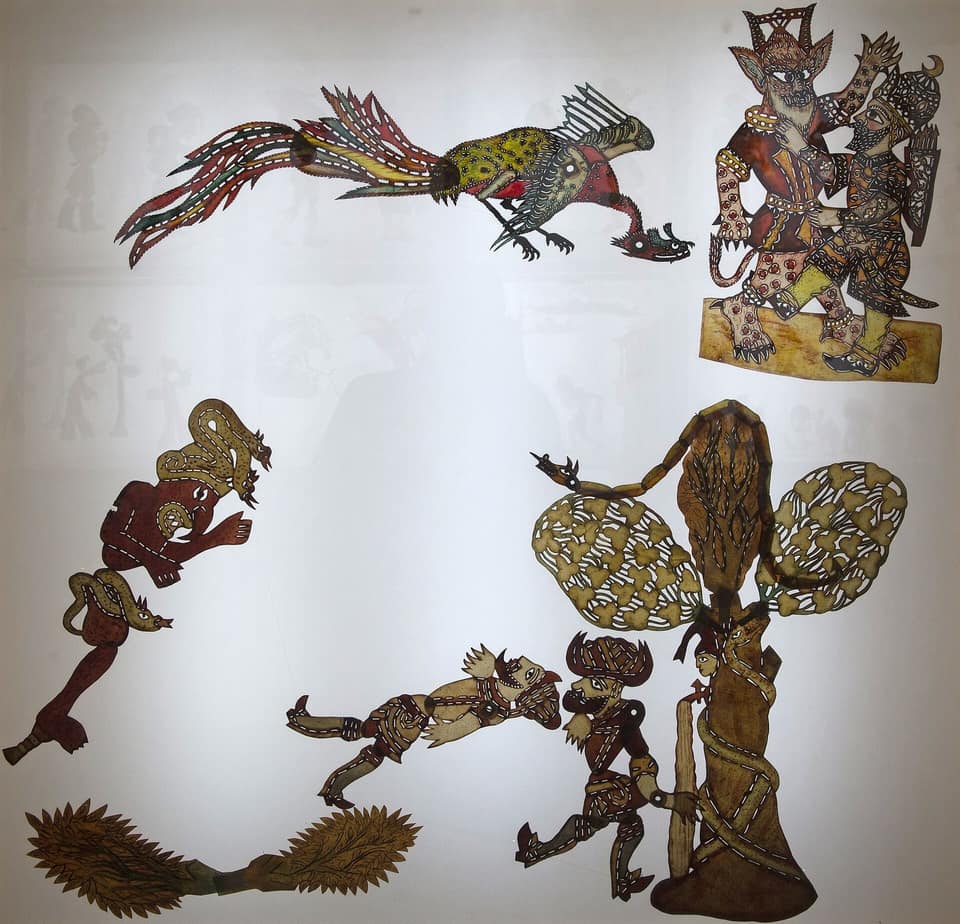
The shadow of Karagöz and Hacivat in Bursa
Bursa brings to mind silk, thermal baths and early Ottoman buildings, but the city's name is also tied to two figures who talk behind a white screen. Karagöz and Hacivat are the best-known heroes of shadow theatre in Türkiye, and Bursa claims the story of this tradition as its own. In 2009 UNESCO inscribed Karagöz shadow theatre on the Representative List of the Intangible Cultural Heritage of Humanity.
What is shadow theatre
Karagöz is a theatre played with the shadows that figures, held in front of a light source, cast onto a cotton screen. According to UNESCO's description, the figures are cut from camel or ox hide and take the shape of people or objects. The master artist who performs the play is called the hayali. The hayali works behind the screen with one or more assistants, who learn the craft by helping to make the figures and by accompanying the show with music. Performances are usually comic and include singing, tambourine music, poetry, tongue-twisters, riddles, puns and imitations of regional accents. UNESCO stresses that the traditional play strengthens cultural identity and brings people together around entertainment.
Where the play came from
There is more than one view on the origin of shadow theatre. The Karagöz entry of the TDV Encyclopedia of Islam explains that the strongest document comes from Egypt. According to that document, after the conquest of Egypt in 1517 a shadow show dating from the Mamluk period was presented to Sultan Selim I, and some of the Egyptian artists were brought to Istanbul. The same entry also notes that no trace of shadow theatre has been found in Anatolia before the 16th century. In 16th-century documents this new art appears under the name hayal-i zıl, and the name Karagöz is not yet used. The name Karagöz emerges in the 17th century. In this period Ottoman craftsmen turned the single-coloured, opaque figures that had come from Egypt into translucent, coloured and jointed ones. The vivid coloured figures you see on the screen today are the result of this transformation.
The story that links the play to Bursa
Bursa's bond with the play rests on a tale handed down from generation to generation. The promotional page of the Bursa Metropolitan Municipality summarises it like this: Karagöz and Hacivat were two workers on the construction of the mosque built by Orhan Gazi, and they were known for their joking. According to the story, after both of them died their figures were brought back to life on the screen. The TDV Encyclopedia of Islam states plainly that this account is a legend and that no document confirms it. Even so, the story has been decisive in Bursa adopting Karagöz as a symbol of the city. The Karagöz Museum in the city is the easiest place to see this bond today.
What lies behind the screen
When you watch a show you only look at the screen, but the real craft lies behind it. According to the TDV Encyclopedia of Islam, the light is traditionally provided by an oil lamp or a candle. The figures are cut from hide, above all camel hide, worked until they are thin enough to let light through, and coloured with root dyes. Parts such as the arms, legs and body are fastened to each other through holes, so the figures move at their joints. The figures are moved with one or two horizontal rods; the vertical rod that lets a figure turn on the screen is called the fır döndü. The tambourine is the main instrument of the music, and cymbals and whistles are sometimes added. On the screen Karagöz speaks in a deep voice and Hacivat in a thin one.
A play flows in four parts
The TDV Encyclopedia of Islam describes a Karagöz play in four parts. The first part is the mukaddime, or prologue. First a motionless figure called the göstermelik is projected onto the screen; it sets the mood and is often not directly related to the plot. In UNESCO's description, the göstermelik is withdrawn from the screen at the sound of a shrill whistle. Then Hacivat sings a semai, Karagöz answers with a perde gazeli, and a short exchange and a mock fight follow. The second part is the muhavere; Karagöz and Hacivat talk about a chosen topic, and this dialogue can be extended if wished. The third part is the fasıl, the main story of the play. These stories include classic love tales such as Ferhad and Şirin, Leyla and Mecnun, and Tahir and Zühre. The last part is the bitiş, which brings the play to an end with a short closing. The hayali can change the order and content of these parts, which makes every show a little different.
Two heroes, two worlds
Karagöz is a plain-spoken man of the people, often unemployed and in trouble. Hacivat, on the other hand, is a polite, measured Istanbul gentleman who steps in and tries to settle disputes. The humour of the play grows out of the difference between these two characters in language and manner. UNESCO notes that besides the two main characters, other types such as the kanto singer and the illusionist also appear on the screen. This variety shows that the play was once watched as a small mirror of city life. The texts of the plays have also been written down; according to the TDV Encyclopedia of Islam, Cevdet Kudret published 39 plays and 19 dialogues in three volumes.
Words and music
The language of Karagöz is as important as the movement on the screen. In the play, tunes called semai, perde gazeli and hayal songs are sung by different characters. The TDV Encyclopedia of Islam notes that Etem Ruhi Üngör compiled these hayal songs and published 215 of them together with their musical notation. This collection shows that the tunes you hear in performances are not random but come from a repertoire passed down from generation to generation. As the entry explains, before shadow theatre the words hayal and hayalbazan were used in Ottoman sources for puppet plays. The word hayali, which today describes the shadow theatre artist, still carries the trace of this older usage. When you watch a show, listen for the rhythm of the tambourine and the moments when the characters break into song.
From the coffeehouse to the museum
According to UNESCO, Karagöz was once widely performed in coffeehouses, gardens, public squares and at circumcision feasts. Today it is mostly staged in the performance halls and schools of large cities. This change has also led to a search for new ways of keeping the tradition alive. A study in the open access archive of Bursa Uludağ University reports that apprenticeship, performance and training seminars on Karagöz have been held in Bursa since 1994. The same study notes that the number of trained Karagöz performers is still small, and that the long apprenticeship it requires and the shortage of new script writers stand in the way of the art. That is why watching a show in Bursa means not only being entertained but also supporting a living craft.
Where to see Karagöz in Bursa
The first place to get to know shadow theatre up close is the Karagöz Museum on Çekirge Street. According to the promotional page of the Bursa Metropolitan Municipality, the museum was arranged by the municipality in 2007 and is presented as the first Karagöz museum in Türkiye. In the first gallery the history of Karagöz is told on information panels. The second gallery displays figures compiled from the collection of Prof. Dr. Metin And, together with figures made by masters such as Orhan Kurt, Metin Özlen and Tacettin Diker. The museum holds shadow play performances and organises figure-making workshops for children. The same municipal page also notes that Bursa hosts international festivals to honour shadow theatre.
Practical tips for your visit
As you walk through the museum, try to look at the figures against the light; only then can you appreciate how thin the hide is and how translucent the colours are. Pay attention to the joints of the figures in the display cases, since seeing how an arm or a head is attached as a separate piece makes it easier to imagine what happens behind the screen during a show. As performance and workshop days may change, check the current programme and opening hours through the municipality's official channels before your visit. If you are coming with children, it is a good idea to find out the workshop calendar in advance, because trying your hand at figure making is the most enjoyable way to understand the play. As the museum is in Çekirge, you can combine your visit with a tour of the thermal baths and historic buildings in the same district. If your visit coincides with the international festival held in the city, you may also have the chance to watch shadow plays from different countries; follow the dates each year through official announcements. A few minutes in front of the screen are enough to understand why these two chatterboxes of Bursa have been loved for centuries.
Sources
- UNESCO, Karagöz, Representative List of the Intangible Cultural Heritage of Humanity, https://ich.unesco.org/en/RL/karagoz-00180
- TDV Encyclopedia of Islam, Karagöz, https://islamansiklopedisi.org.tr/karagoz
- Bursa Metropolitan Municipality, Visit Bursa, Karagöz Museum, https://visitbursa.org/mekanlar/karagoz-muzesi-241
- Bursa Metropolitan Municipality, Visit Bursa, Hacivat Karagöz Shadow Plays, https://visitbursa.org/blog/somut-olmayan-kulturel-miras-14/hacivat-karagoz-golge-oyunlari-83
- Bursa Uludağ University Open Access, Günümüz Bursa'sında Karagöz, https://acikerisim.uludag.edu.tr/handle/11452/13731
Comments
Be the first to comment